TWI logo The Washington Institute for Near East Policy
logo
wordmark
Homepage

Main navigation

  • تحلیل‌ها
  • کارشناسان
  • درباره‌ما
  • پشتیبانی
  • نقشه و چند رسانه‌ای
مباحث روز :
  • نظامی و امنیتی
  • انرژی و اقتصاد
  • ایران
  • لبنان
  • کشورهای حاشیه‌خلیج فارس

منطقه‌ها و کشورها

  • اردن
  • اسرائیل
  • ایران
  • ترکیه
  • سوریه
  • شمال آفریقا
  • عراق
  • فلسطینی‌ها
  • لبنان
  • مصر
  • کشورهای حاشیه‌خلیج فارس

موضوع

  • انرژی و اقتصاد
  • تروریسم
  • خلیج و سیاست حوزه انرژی
  • دمکراسی و اصلاح
  • رقابت قدرت‌های بزرگ
  • روابط عرب و اسرائیل
  • سیاست آمریکا
  • عرب و اسلام سیاسی
  • فرایند صلح
  • منع اشاعه
  • نظامی و امنیتی
TWI English
TWI Arabic: اللغة العربية Fikra Forum

ایران

Policy Analysis on ایران

Filter by:

Russian President Vladimir Putin meets Chinese President Xi Jinping at a summit in Beijing - source: Reuters
Brief Analysis
Tracking Chinese and Russian Statements on the Iran War
A regularly updated compendium of Beijing and Moscow’s reactions to the fighting in Iran, Lebanon, and beyond, including analysis of the similarities and differences in their respective diplomatic approaches to the crisis.
April 2026
◆
  • Grant Rumley
  • Shivane Anand
An Iranian woman walks by the scene of a U.S. airstrike in Tehran - source: Reuters
Video
Brief Analysis
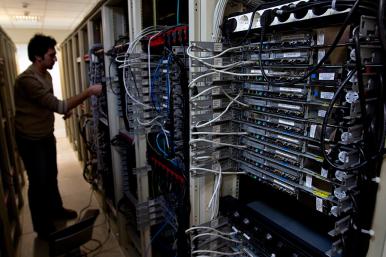
In the Dark and in Danger: Iran’s Internet Shutdown and Wartime Repression
Human rights experts diagnose the current public mood in Iran and discuss how foreign governments can help counter the regime’s growing use of internet blackouts and other digital repression tools.
۱۰ آوریل ۲۰۲۶
◆
  • Mahsa Alimardani
  • Nazanin Boniadi
  • Roya Boroumand
A photo illustration depicts chess pieces and the Iranian and U.S. flags - source: Reuters
Articles & Testimony
How Trump Could Still Get a Strategic Win from the Iran War
As long as the Strait of Hormuz is fully reopened and enriched uranium is shipped out, ending the war quickly may be Washington’s best bet, since Tehran would be left to deal with dire domestic problems it has no answer for.
۹ آوریل ۲۰۲۶
◆
  • Dennis Ross
A man walks by a mural of international currencies
Articles & Testimony
How the Iran War Will Upend the Global Economy
Beyond the widely discussed risk of energy shocks, the war also seems likely to spark a prolonged debt crisis, especially for the world’s poorest nations.
۸ آوریل ۲۰۲۶
◆
  • Henry Tugendhat
Iraqi protesters display Iranian and Popular Mobilization Forces militia flags at a demonstration in Baghdad following the killing of Iranian Supreme Leader Khamenei - source: Reuters
Brief Analysis
Iraq Is at Another Crossroads with Iran-Backed Militias—and Washington
Although U.S. officials should keep pushing Baghdad to move against these groups, the Iran war has demonstrated the need to seek other avenues of pressure and recalibrate the bilateral relationship.
۸ آوریل ۲۰۲۶
◆
  • David Schenker
Armed members of the Iraqi Shiite militia Asaib Ahl al-Haq demonstrate at a funeral in Iraq - source: Reuters
Brief Analysis
What an “Iranian Proxies” Agreement Should Encompass
As wider peace negotiations continue, U.S. officials should carefully consider the many moving parts needed for a proxies deal to succeed—and what Washington would do if Tehran starts flagrantly violating its terms.
۶ آوریل ۲۰۲۶
◆
  • Michael Jacobson
Articles & Testimony
War with Iran Tests Gulf-US Economic Model
The longstanding balance of Gulf security—in which states quietly maintained ties with Tehran while relying on Washington as the ultimate guarantor—is now under strain, making the future of their investment flows into the United States difficult to judge.
۶ آوریل ۲۰۲۶
◆
  • Simon Henderson
A photo illustration depicts chess pieces and the Iranian and U.S. flags - source: Reuters
Video
Brief Analysis
Diplomacy During War: Priorities for the Trump Administration
Three former U.S. policy practitioners experienced in negotiating with Iran discuss what kind of agreement is possible, what each side may require to make it happen, and how officials in Washington, Israel, the Gulf states, and Europe should address emerging differences in their objectives.
۳ آوریل ۲۰۲۶
◆
  • Emily Harding
  • Richard Nephew
  • Michael Singh
  • Nancy A. Youssef
Articles & Testimony
How Tehran’s Proxy Network Could Outlast the Iranian Regime
Even if Washington somehow convinces Iran to cut off support for groups like Hezbollah, Hamas, and the Houthis, this would not eliminate the threat they pose.
۲ آوریل ۲۰۲۶
◆
  • Michael Jacobson
  • Matthew Levitt
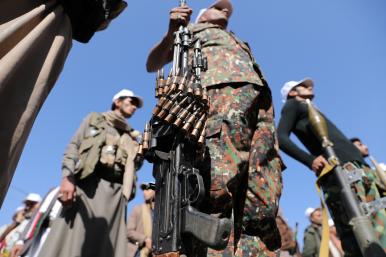
Houthi fighters rally in Sanaa, Yemen
Brief Analysis
The Houthis Join the War
Why did the group strike now, what might they do next, and how could it affect the U.S.-Israeli war with Iran?
۱ آوریل ۲۰۲۶
◆
  • April Longley Alley
A solar field in Morocco - source: Reuters
Brief Analysis
The Iran War’s Reverberations in North Africa
The crisis will challenge economic and political stability in the Maghreb countries, but they will also have opportunities—with Washington’s help—to fortify their prewar progress by filling gaps in global energy markets and other key sectors affected by the war.
۳۱ مارس ۲۰۲۶
◆
  • Sabina Henneberg
Articles & Testimony
The Middle East After the Iran War: Lessons and Outcomes
However the conflict ends, it has already delivered pivotal lessons on U.S. military innovation and political strategy, the continued dominance of hydrocarbons, the future posture of regional and external powers, and more.
Mar 2026
◆
  • James Jeffrey
Photo of frozen Russian tanks in Ukraine.
Articles & Testimony
The War in Iran Could Become Like the War in Ukraine
Trump’s fifteen-point peace proposal suggests that he recognizes the need to find an off-ramp, but Washington must stay committed to that path to avoid a Russian-style quagmire.
۲۷ مارس ۲۰۲۶
◆
  • James Jeffrey
A poster depicts former Hamas leader Ismail Haniyeh alongside the Iranian flag in Tehran following Haniyeh's killing in Iran - source: Reuters
Brief Analysis
With the Iran War, Hamas Tilts Toward the Brotherhood
The monthlong conflict and developments in Gaza have weakened the terrorist group’s connection to Tehran, offering Washington an opportunity to achieve its goals by working through Qatar and Turkey as well as Egypt.
۲۶ مارس ۲۰۲۶
◆
  • Ghaith al-Omari
Gen. Mohammad Bagher Zolghadr - source: Wikimedia Commons
Brief Analysis
Zolghadr at the Top of Iranian Security
His appointment as SNSC secretary shows that the regime is relying on a veteran hardliner to manage the crisis and preserve control.
۲۶ مارس ۲۰۲۶
◆
  • Farzin Nadimi
A man speaks on his phone in Beirut, Lebanon, in front of posters depicting the U.S. flag - source: Reuters
Video
Brief Analysis
How Middle East Societies Grapple with War
A trio of leading regional journalists discuss how Emiratis, Israelis, and Jordanians are weathering the Iran crisis, what outcomes they are rooting for, and how their relations with Washington and each other might evolve as a result.
۲۴ مارس ۲۰۲۶
◆
  • Yonit Levi
  • Nadim Koteich
  • Amer Al Sabaileh
Articles & Testimony
Will Iran Turn to Terrorism?
With its leadership badly damaged and its security establishment humiliated by deep intelligence infiltration, the desperate regime likely sees little downside in setting caution aside and greenlighting a wide variety of international attacks.
۲۴ مارس ۲۰۲۶
◆
  • Matthew Levitt
Tracking map for the oil tanker Nora.
Maps & Graphics
Brief Analysis
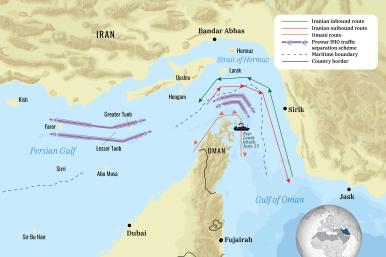
Iran’s Force Multiplier: Tracking the War’s Maritime and Energy Effects
If Washington wants to calm the markets and reach its other energy objectives more quickly, it will have to find a way of de-escalating a shipping crisis that Tehran is clearly taking advantage of in the Strait of Hormuz and beyond.
۲۳ مارس ۲۰۲۶
◆
  • Noam Raydan
USS Boxer leads U.S. Navy ships transiting the Strait of Hormuz - source: Department of Defense
Brief Analysis
Military Options for Reopening the Strait of Hormuz: Limitations and Imperatives
Loosening Tehran’s grip on the strait and its disruption of the global economy would entail not only reducing threats to navigation, but also increasing pressure on the Iranian economy in order to deter further attacks and create leverage for diplomacy.
۲۳ مارس ۲۰۲۶
◆
  • Michael Eisenstadt
  • Assaf Orion
Close-up photo of Chinese leader Xi and Russian leader Putin.
Video
Brief Analysis
Great Power Competition During (and After) the Iran War
Three experts examine how Moscow, Beijing, and European capitals are navigating the crisis and what their choices reveal about the future of the global order.
۱۹ مارس ۲۰۲۶
◆
  • Anna Borshchevskaya
  • Souhire Medini
  • Henry Tugendhat
  • Grant Rumley

Pagination

  • Previous page ‹ Previous
  • First page « First
  • Page 1
  • Current page 2
  • Page 3
  • Page 4
  • Page 5
  • Page 6
  • Page 7
  • Page 8
  • Page 9
  • …
  • Last page Last »
  • Next page Next ›

Sign Up for Email Updates from The Washington Institute

Never miss a breaking event on U.S. policy interests in the Middle East. Customize your subscription to our expert analysis, op-eds, live events, and special reports.

Sign up

Background image with TWI branding
logo
wordmark
Homepage

1111 19th Street NW - Suite 500
Washington D.C. 20036
Tel: 202-452-0650
Fax: 202-223-5364

Footer contact links

  • تماس
  • اتاق خبر
  • Subscribe

هدف انستیتو واشنگتن، تعمیق درکی متعادل و واقع‌بینانه از منافع آمریکا در خاورمیانه و نیز پیشبردِ سیاست‌هایی برای حفظ آن منافع است.

انستیتو واشنگتن یک سازمان غیرانتفاعی دارای مجوز 501(c)3 است که تمامی کمک‌های مالی به آن شامل معافیت مالیاتی خواهد شد.

Footer quick links

  • درباره انستیتو واشنگتن
  • پشتیبانی از انستیتو
  • Alumni

Social media

  • The Washington Institute on Facebook facebook
  • The Washington Institute on X x
  • The Washington Institute on YouTube youtube
  • The Washington Institute on LinkedIn linkedin

© 2026 کلیه حقوق محفوظ است

Footer

  • استخدام
  • حریم خصوصی
  • حقوق و مجوزها