TWI logo The Washington Institute for Near East Policy
logo
wordmark
Homepage

Main navigation

  • تحلیل‌ها
  • کارشناسان
  • درباره‌ما
  • پشتیبانی
  • نقشه و چند رسانه‌ای
مباحث روز :
  • نظامی و امنیتی
  • انرژی و اقتصاد
  • ایران
  • لبنان
  • کشورهای حاشیه‌خلیج فارس

منطقه‌ها و کشورها

  • اردن
  • اسرائیل
  • ایران
  • ترکیه
  • سوریه
  • شمال آفریقا
  • عراق
  • فلسطینی‌ها
  • لبنان
  • مصر
  • کشورهای حاشیه‌خلیج فارس

موضوع

  • انرژی و اقتصاد
  • تروریسم
  • خلیج و سیاست حوزه انرژی
  • دمکراسی و اصلاح
  • رقابت قدرت‌های بزرگ
  • روابط عرب و اسرائیل
  • سیاست آمریکا
  • عرب و اسلام سیاسی
  • فرایند صلح
  • منع اشاعه
  • نظامی و امنیتی
TWI English
TWI Arabic: اللغة العربية Fikra Forum

عرب و اسلام سیاسی

Policy Analysis on عرب و اسلام سیاسی

Filter by:

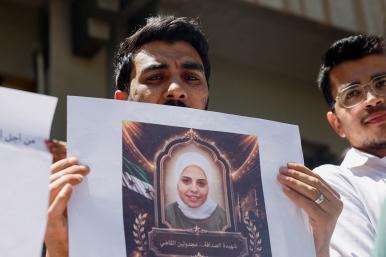
Photo of Syrians holding a memorial protest for family members killed by the former Assad regime.
Brief Analysis
Syria’s Protest Wave: A Governance Stress Test
Washington should treat the recent public discontent not as a sign that Syria’s transition is failing, but as an opportunity to help ensure that Damascus does not repeat the mistakes of previous governments.
۳ ژوئن ۲۰۲۶
◆
  • Aaron Y. Zelin
Flags of Iran, Hezbollah, and Lebanon are seen at a Quds Day celebration in Tehran - source: Reuters
Brief Analysis
Beyond Disarmament: How the IRGC Keeps Hezbollah in Power Despite Its Military Losses
Although disarming the group is still crucial, negotiators need to realize that they will never really break Hezbollah’s hold on Lebanon so long as it retains Iranian support and key political allies and government posts in Beirut.
۲۹ مه ۲۰۲۶
◆
  • Hanin Ghaddar
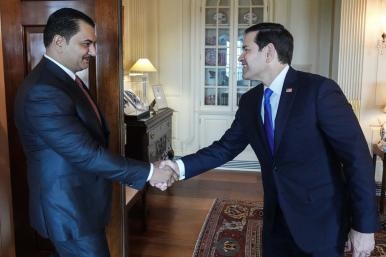
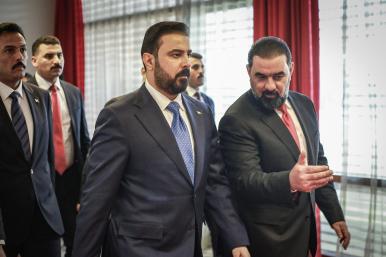
Haibat al-Halbousi (R), Speaker of the Iraqi Parliament, welcomes Iraqi Prime Minister-designate Ali al-Zaidi (L) at the parliament building ahead of a parliamentary session for a confidence vote on the cabinet formed by al-Zaidi - source: Reuters
Brief Analysis
Tempering U.S. Expectations About Iraq’s New Government
Tehran seems just as enthusiastic about the new prime minister as Washington—a telling sign that the militia-dominated status quo in Baghdad will be difficult and slow to change, if it changes at all.
۲۸ مه ۲۰۲۶
◆
  • David Schenker
Oil wells sit idle in Syria - source: Syrian Petroleum Company
Brief Analysis
The Politics Blocking Syria’s Energy Recovery
Washington’s message to Syrian officials should be simple: foreign energy capital is unlikely to flow quickly as long as the outside world sees their government as an opaque regime with unclear authority, factional infighting, uncertain legal protections, and unresolved military tensions with powerful neighbors.
۲۷ مه ۲۰۲۶
◆
  • Andrew J. Tabler
Turkish president Erdogan at NATO headquarters in Brussels
Brief Analysis
Turkey’s Limited Role in the Iran War
Power parity informs the view from Ankara, which has a strong interest in preventing Iran from going nuclear or alternatively falling into chaos—even as the war’s outcome will be largely outside Turkish control.
۲۶ مه ۲۰۲۶
◆
  • Soner Cagaptay
Syrian President Ahmed al-Sharaa places his signature at a cabinet meeting in Damascus, October 12, 2025.
Brief Analysis
Syria’s New Government Appointments: More Continuity Than Change
The years that President Sharaa’s circle spent managing Idlib province now look less like improvised wartime governance and more like a deliberate long-term project to build the cadres of a future state.
۲۲ مه ۲۰۲۶
◆
  • Aaron Y. Zelin
A bread seller in Cairo walks past a sign promoting President Sisi - source: Reuters
Articles & Testimony
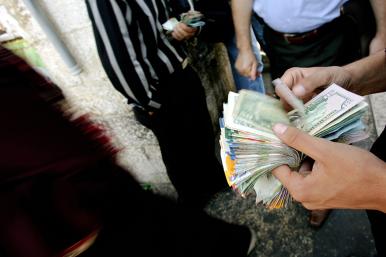
Is Egypt the Biggest Loser of the Iran War?
Cairo’s economic mismanagement has increased the country’s reliance on Gulf largesse, but that spigot may soon run dry for diplomatic and financial reasons.
۱۸ مه ۲۰۲۶
◆
  • David Schenker
A police officer loyal to the Palestinian Authority stands guard on a wall at PA headquarters in Ramallah in 2007 - source: Reuters
Brief Analysis
Fatah Meets in Ramallah
The first gathering in a decade by the Palestinian Authority’s dominant party will cast light on a post-Abbas future and governance in Gaza, among other issues.
۱۴ مه ۲۰۲۶
◆
  • Ghaith al-Omari
Articles & Testimony
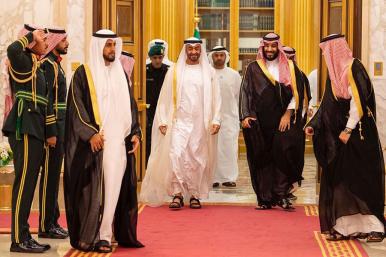
Saudi Arabia, the UAE, and the Limits of Gulf Unity
If left unchecked, the reemerging rift between the two Gulf powerhouses could fragment the region into competing poles, further roil markets, and destabilize fragile states in the area.
Spring 2026
◆
  • April Longley Alley
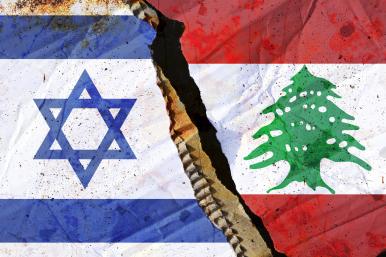
Flags of Israel and Lebanon painted on hands outstretched to each other, overlaying map of Israel-Lebanon border and beyond.
Articles & Testimony
Round 2: Lebanon-Israel Talks Inch Forward
Given Hezbollah coup threats, Beirut may seek to proceed incrementally toward establishing a state monopoly on weapons, but Washington and Israel will expect quicker results this time.
۲۳ آوریل ۲۰۲۶
◆
  • David Schenker
Jordanian flag
Brief Analysis
Jordan’s Wartime Balancing Act
The economic, political, and diplomatic fallout of the Iran crisis is bending the kingdom in multiple directions, but Washington can do much to ease the domestic stress, avoid bilateral friction, and address Amman’s growing rift with Israel.
۱۵ آوریل ۲۰۲۶
◆
  • Ghaith al-Omari
  • David Schenker
Brief Analysis
Egypt’s Gulf-Iran Dilemma
Cairo has put a premium on de-escalation in order to end the war as soon as possible and lessen the economic and energy shocks afterward, but this approach could backfire with its longtime benefactors in the Gulf states.
۱۵ آوریل ۲۰۲۶
◆
  • Ben Fishman
Lebanon's Parliament Speaker Nabih Berry - source: Reuters
Brief Analysis
Israel-Lebanon Peace: Will Berri Remain a Hindrance?
The two governments have agreed to direct talks that could (and should) turn into a wider U.S.-brokered peace process, but only if officials are prepared to counter potential spoilers like Hezbollah ally Nabih Berri.
۱۰ آوریل ۲۰۲۶
◆
  • Hanin Ghaddar
Photo of refugees at the Sudan-Chad border, July 2023.
Articles & Testimony
Grim Anniversary in Sudan’s ‘Forgotten’ War
If the international community lags on the Sudan file or allows local forces to keep treating peace conferences as just another arena for their rivalries, the result will be even more space for bad actors to massacre civilians and loot the country’s wealth.
۳ آوریل ۲۰۲۶
◆
  • Areig Elhag
A solar field in Morocco - source: Reuters
Brief Analysis
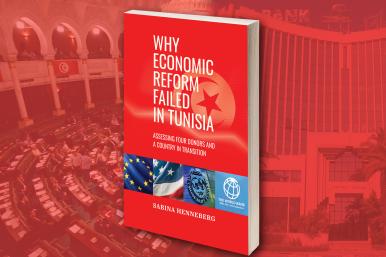
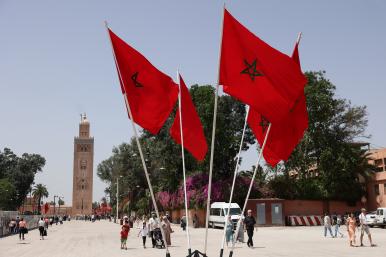
The Iran War’s Reverberations in North Africa
The crisis will challenge economic and political stability in the Maghreb countries, but they will also have opportunities—with Washington’s help—to fortify their prewar progress by filling gaps in global energy markets and other key sectors affected by the war.
۳۱ مارس ۲۰۲۶
◆
  • Sabina Henneberg
A poster depicts former Hamas leader Ismail Haniyeh alongside the Iranian flag in Tehran following Haniyeh's killing in Iran - source: Reuters
Brief Analysis
With the Iran War, Hamas Tilts Toward the Brotherhood
The monthlong conflict and developments in Gaza have weakened the terrorist group’s connection to Tehran, offering Washington an opportunity to achieve its goals by working through Qatar and Turkey as well as Egypt.
۲۶ مارس ۲۰۲۶
◆
  • Ghaith al-Omari
A man speaks on his phone in Beirut, Lebanon, in front of posters depicting the U.S. flag - source: Reuters
Video
Brief Analysis
How Middle East Societies Grapple with War
A trio of leading regional journalists discuss how Emiratis, Israelis, and Jordanians are weathering the Iran crisis, what outcomes they are rooting for, and how their relations with Washington and each other might evolve as a result.
۲۴ مارس ۲۰۲۶
◆
  • Yonit Levi
  • Nadim Koteich
  • Amer Al Sabaileh
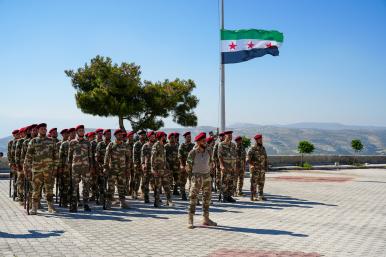
Syrian Army recruits attend their graduation ceremony from special forces training - source: Reuters
Brief Analysis
Syria Is Not Ready to Wage War Beyond Its Borders
The U.S. metric for effective cooperation shouldn’t be whether Syria is willing to fight Iran’s proxies in Lebanon or Iraq, but whether it continues advancing regional stability by securing its borders, limiting the flow of Iranian weapons and fighters, and coordinating politically with neighbors.
۲۴ مارس ۲۰۲۶
◆
  • Andrew J. Tabler
A satellite map with political borders overlaid shows Afghanistan, Iran, and Pakistan - source: Reuters
Brief Analysis
Examining the Terrorism and Insurgency Links Between AfPak and Iran
The two conflicts may appear unrelated, but an al-Qaeda haven in Iran, threats from the Islamic State, and separatist ambitions could supercharge the risks to regional and global security.
۱۲ مارس ۲۰۲۶
◆
  • Aaron Y. Zelin
Articles & Testimony
A Levant Without Militias?
For the first time, the region is on the path to sidelining militias and reaping the potential stabilization benefits, though significant obstacles remain.
۱۰ مارس ۲۰۲۶
◆
  • David Schenker

Pagination

  • Current page 1
  • Page 2
  • Page 3
  • Page 4
  • Page 5
  • Page 6
  • Page 7
  • Page 8
  • Page 9
  • …
  • Last page Last »
  • Next page Next ›
Supported by the

Linda and Tony Rubin Program on Arab Politics

The Washington Institute's Linda and Tony Rubin Program on Arab Politics focuses on social, political, and economic developments in the Arab world, with an emphasis on the Arab countries of the Levant.

Sign Up for Email Updates from The Washington Institute

Never miss a breaking event on U.S. policy interests in the Middle East. Customize your subscription to our expert analysis, op-eds, live events, and special reports.


Sign up

Featured experts

David Schenker
دیوید شنکر
David Schenker is a Senior Fellow at The Washington Institute and former Assistant Secretary of State for Near Eastern Affairs.
Ghaith al-Omari
غیث العمری
*غیث العمری، هموند ارشد انستیتو واشنگتن و یکی از نویسندگان کتاب «خنثی سازی بشکه باروت غزه» است.
Hanin Ghaddar
حنین غدار
حنین غدار هموند فریدمن در برنامه گدولد در انستیتو واشنگتن است که بر سیاست‌ کشورهای عربی متمرکز است. در این برنامه، مطالعات او در حوزه سیاست‌های شیعیان در سرزمین شام است.
Background image with TWI branding
logo
wordmark
Homepage

1111 19th Street NW - Suite 500
Washington D.C. 20036
Tel: 202-452-0650
Fax: 202-223-5364

Footer contact links

  • تماس
  • اتاق خبر
  • Subscribe

هدف انستیتو واشنگتن، تعمیق درکی متعادل و واقع‌بینانه از منافع آمریکا در خاورمیانه و نیز پیشبردِ سیاست‌هایی برای حفظ آن منافع است.

انستیتو واشنگتن یک سازمان غیرانتفاعی دارای مجوز 501(c)3 است که تمامی کمک‌های مالی به آن شامل معافیت مالیاتی خواهد شد.

Footer quick links

  • درباره انستیتو واشنگتن
  • پشتیبانی از انستیتو
  • Alumni

Social media

  • The Washington Institute on Facebook facebook
  • The Washington Institute on X x
  • The Washington Institute on YouTube youtube
  • The Washington Institute on LinkedIn linkedin

© 2026 کلیه حقوق محفوظ است

Footer

  • استخدام
  • حریم خصوصی
  • حقوق و مجوزها