TWI logo The Washington Institute for Near East Policy
logo
wordmark
Homepage

Main navigation

  • تحلیل‌ها
  • کارشناسان
  • درباره‌ما
  • پشتیبانی
  • نقشه و چند رسانه‌ای
مباحث روز :
  • نظامی و امنیتی
  • انرژی و اقتصاد
  • ایران
  • لبنان
  • کشورهای حاشیه‌خلیج فارس

منطقه‌ها و کشورها

  • اردن
  • اسرائیل
  • ایران
  • ترکیه
  • سوریه
  • شمال آفریقا
  • عراق
  • فلسطینی‌ها
  • لبنان
  • مصر
  • کشورهای حاشیه‌خلیج فارس

موضوع

  • انرژی و اقتصاد
  • تروریسم
  • خلیج و سیاست حوزه انرژی
  • دمکراسی و اصلاح
  • رقابت قدرت‌های بزرگ
  • روابط عرب و اسرائیل
  • سیاست آمریکا
  • عرب و اسلام سیاسی
  • فرایند صلح
  • منع اشاعه
  • نظامی و امنیتی
TWI English
TWI Arabic: اللغة العربية Fikra Forum

دمکراسی و اصلاح

Policy Analysis on دمکراسی و اصلاح

Filter by:

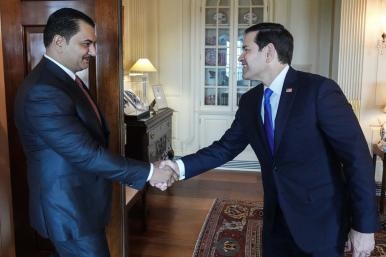
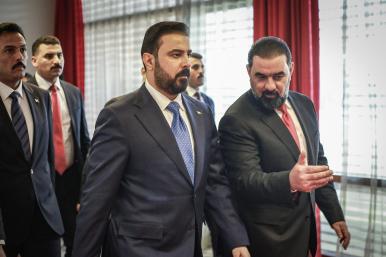
Haibat al-Halbousi (R), Speaker of the Iraqi Parliament, welcomes Iraqi Prime Minister-designate Ali al-Zaidi (L) at the parliament building ahead of a parliamentary session for a confidence vote on the cabinet formed by al-Zaidi - source: Reuters
Brief Analysis
Tempering U.S. Expectations About Iraq’s New Government
Tehran seems just as enthusiastic about the new prime minister as Washington—a telling sign that the militia-dominated status quo in Baghdad will be difficult and slow to change, if it changes at all.
۲۸ مه ۲۰۲۶
◆
  • David Schenker
Oil wells sit idle in Syria - source: Syrian Petroleum Company
Brief Analysis
The Politics Blocking Syria’s Energy Recovery
Washington’s message to Syrian officials should be simple: foreign energy capital is unlikely to flow quickly as long as the outside world sees their government as an opaque regime with unclear authority, factional infighting, uncertain legal protections, and unresolved military tensions with powerful neighbors.
۲۷ مه ۲۰۲۶
◆
  • Andrew J. Tabler
Syrian President Ahmed al-Sharaa places his signature at a cabinet meeting in Damascus, October 12, 2025.
Brief Analysis
Syria’s New Government Appointments: More Continuity Than Change
The years that President Sharaa’s circle spent managing Idlib province now look less like improvised wartime governance and more like a deliberate long-term project to build the cadres of a future state.
۲۲ مه ۲۰۲۶
◆
  • Aaron Y. Zelin
A police officer loyal to the Palestinian Authority stands guard on a wall at PA headquarters in Ramallah in 2007 - source: Reuters
Brief Analysis
Fatah Meets in Ramallah
The first gathering in a decade by the Palestinian Authority’s dominant party will cast light on a post-Abbas future and governance in Gaza, among other issues.
۱۴ مه ۲۰۲۶
◆
  • Ghaith al-Omari
Brief Analysis
For Iranians to Rise Up, a Clear Path for Regime Defectors Is Needed
Neither the United States nor Israel has offered the concrete incentives needed to spur high-level defections from the security, political, and clerical establishments—a crucial precondition for regime change.
۱۳ مه ۲۰۲۶
◆
  • Holly Dagres
Iranians shop in a Tehran market ahead of Nowruz celelbrations in 2024 - source: Reuters
Articles & Testimony
Self-Destruct Mode: Why Government Incompetence Means Even Immediate Peace with the U.S. Would Not Save Iran
Tehran’s ongoing failures in critical areas such as fiscal responsibility, energy, and infrastructure repair are doing even more damage to the country’s economic position than the war itself.
۳۰ آوریل ۲۰۲۶
◆
  • Patrick Clawson
Mojtaba Khamenei - source: Reuters
Articles & Testimony
Let Iran Defeat Itself
Bailing out the regime’s new batch of hardline leaders would only help them remain a regional menace, so Washington should be very selective about whatever peace deal it signs, leaving room for the Iranian people to seek change themselves.
۲۸ آوریل ۲۰۲۶
◆
  • Richard Nephew
Articles & Testimony
He Dreamed of Regime Change
The diplomat Uri Lubrani was renowned for his persistent assertion that such an outcome in Iran was not only feasible but inevitable.
۱۷ آوریل ۲۰۲۶
◆
  • Martin Kramer
Jordanian flag
Brief Analysis
Jordan’s Wartime Balancing Act
The economic, political, and diplomatic fallout of the Iran crisis is bending the kingdom in multiple directions, but Washington can do much to ease the domestic stress, avoid bilateral friction, and address Amman’s growing rift with Israel.
۱۵ آوریل ۲۰۲۶
◆
  • Ghaith al-Omari
  • David Schenker
Brief Analysis
Egypt’s Gulf-Iran Dilemma
Cairo has put a premium on de-escalation in order to end the war as soon as possible and lessen the economic and energy shocks afterward, but this approach could backfire with its longtime benefactors in the Gulf states.
۱۵ آوریل ۲۰۲۶
◆
  • Ben Fishman
An Iranian woman walks by the scene of a U.S. airstrike in Tehran - source: Reuters
Video
Brief Analysis
In the Dark and in Danger: Iran’s Internet Shutdown and Wartime Repression
Human rights experts diagnose the current public mood in Iran and discuss how foreign governments can help counter the regime’s growing use of internet blackouts and other digital repression tools.
۱۰ آوریل ۲۰۲۶
◆
  • Mahsa Alimardani
  • Nazanin Boniadi
  • Roya Boroumand
Photo of refugees at the Sudan-Chad border, July 2023.
Articles & Testimony
Grim Anniversary in Sudan’s ‘Forgotten’ War
If the international community lags on the Sudan file or allows local forces to keep treating peace conferences as just another arena for their rivalries, the result will be even more space for bad actors to massacre civilians and loot the country’s wealth.
۳ آوریل ۲۰۲۶
◆
  • Areig Elhag
Articles & Testimony
What the Islamic Republic Learned About Repression From Syria
Tehran helped the Assad regime crush unarmed protests with staggering violence; now it has turned those same tactics on its own people.
۱۸ مارس ۲۰۲۶
◆
  • Holly Dagres
Twitter photo showing an Iranian woman standing on top of a car during a protest against the killing of Mahsa Amini.
Articles & Testimony
An Achievable Goal in Iran
Instead of regime change, try regime weakening.
۱۳ مارس ۲۰۲۶
◆
  • Dennis Ross
Mojtaba Khamenei - source: Reuters
Brief Analysis
What Kind of Supreme Leader Would Mojtaba Khamenei Be?
Given his strong ties to the IRGC, Khamenei’s son might pursue extreme strategic options.
۵ مارس ۲۰۲۶
◆
  • Patrick Clawson
  • Farzin Nadimi
A flight deck crewman directs operations of an F-35 jet on board the USS Abraham Lincoln - source: Department of Defense
Video
Brief Analysis
The U.S. and Israel Strike Iran
Read or watch urgent insights into America’s objectives in Iran and the policies that would best advance U.S. security, help the Iranian people, and improve the prospects for long-term regional stability.
۲ مارس ۲۰۲۶
◆
  • Holly Dagres
  • Dennis Ross
  • Dana Stroul
  • Robert Satloff
Brief Analysis
Epic Fury and Roaring Lion: From War Scenarios to Pressing Postwar Questions in Iran
Washington Institute experts assess the immediate implications of U.S.-Israeli military strikes on Iran, including the regime’s future after major leadership losses, reactions inside Iran and Lebanon, the fallout for the Gulf states, the contours of potential diplomacy once the fighting stops, and more.
۱ مارس ۲۰۲۶
◆
  • Assaf Orion
  • Michael Eisenstadt
  • Holly Dagres
  • Patrick Clawson
  • Hanin Ghaddar
  • April Longley Alley
  • Richard Nephew
Video
Articles & Testimony
Syria at a Crossroads: U.S. Policy Challenges Post-Assad
Damascus will not take the difficult steps to reconcile internal animosities and rebuild destroyed infrastructure unless outside supporters—led by the United States—speak with one voice about their expectations and red lines.
۱۰ فوریه ۲۰۲۶
◆
  • James Jeffrey
Video
Articles & Testimony
Cutting Through the Fog of War (and Peace) in Syria
Clear-eyed recounting and a detailed roadmap can give U.S. officials and the American public a better view of what security and governance measures the new Syrian government has taken so far, and what gaps and pitfalls remain in the path of lasting stability.
۱۰ فوریه ۲۰۲۶
◆
  • Andrew J. Tabler
Video
Articles & Testimony
U.S. Policy Toward Lebanon: Obstacles to Dismantling Hezbollah’s Grip on Power
Meeting the moment requires greater investment and attention from Washington, including additional targeted security assistance, robust diplomatic efforts, expansion of the U.S. team tasked with handling the Lebanon file, and more.
۳ فوریه ۲۰۲۶
◆
  • Dana Stroul

Pagination

  • Current page 1
  • Page 2
  • Page 3
  • Page 4
  • Page 5
  • Page 6
  • Page 7
  • Page 8
  • Page 9
  • …
  • Last page Last »
  • Next page Next ›
Supported by the

Project Fikra: Defeating Extremism through the Power of Ideas

Fikra n. [Arabic] "Idea"

The Washington Institute's Project Fikra is a multiyear program of research, publication, and network-building designed to generate policy ideas for promoting positive change and countering the spread of extremism in the Middle East.

Sign Up for Email Updates from The Washington Institute

Never miss a breaking event on U.S. policy interests in the Middle East. Customize your subscription to our expert analysis, op-eds, live events, and special reports.


Sign up

Featured experts

Catherine Cleveland
کاترین کلیولند

کاترین کلیولند هموند ارشد در انستیتو واشنگتن و ویراستار تریبون آزاد فکره است.

Ben Fishman
بن فیش‌من
Background image with TWI branding
logo
wordmark
Homepage

1111 19th Street NW - Suite 500
Washington D.C. 20036
Tel: 202-452-0650
Fax: 202-223-5364

Footer contact links

  • تماس
  • اتاق خبر
  • Subscribe

هدف انستیتو واشنگتن، تعمیق درکی متعادل و واقع‌بینانه از منافع آمریکا در خاورمیانه و نیز پیشبردِ سیاست‌هایی برای حفظ آن منافع است.

انستیتو واشنگتن یک سازمان غیرانتفاعی دارای مجوز 501(c)3 است که تمامی کمک‌های مالی به آن شامل معافیت مالیاتی خواهد شد.

Footer quick links

  • درباره انستیتو واشنگتن
  • پشتیبانی از انستیتو
  • Alumni

Social media

  • The Washington Institute on Facebook facebook
  • The Washington Institute on X x
  • The Washington Institute on YouTube youtube
  • The Washington Institute on LinkedIn linkedin

© 2026 کلیه حقوق محفوظ است

Footer

  • استخدام
  • حریم خصوصی
  • حقوق و مجوزها