




TWI logo The Washington Institute for Near East Policy
logo
wordmark
Homepage

Main navigation

  • Analysis
  • Experts
  • About
  • Support
  • Maps & Multimedia
Trending:
  • Terrorism
  • Great Power Competition
  • Iran
  • Lebanon
  • Gulf States

Regions & Countries

  • Egypt
  • Gulf States
  • Iran
  • Iraq
  • Israel
  • Jordan
  • Lebanon
  • North Africa
  • Palestinians
  • Syria
  • Turkey

Issues

  • Arab & Islamic Politics
  • Arab-Israeli Relations
  • Democracy & Reform
  • Energy & Economics
  • Great Power Competition
  • Gulf & Energy Policy
  • Military & Security
  • Peace Process
  • Proliferation
  • Terrorism
  • U.S. Policy
TWI English
TWI Arabic: اللغة العربية Fikra Forum

Breadcrumb

  • Policy Analysis

Terrorism

Policy Analysis on Terrorism

Filter by:

Photo of a small drone in flight.
Articles & Testimony
Twenty-Five Years After Sept. 11, We’re Losing Sight of the Threat
The United States is safer from catastrophic terrorism, but emerging technologies, weakened international partnerships, and allied military drawdowns in Africa are creating new blind spots.
Sep 10, 2026
◆
  • Michael Jacobson
  • Scott Allan
Articles & Testimony
9/11 Led to an Explosion of Counterterrorism Expertise. Are We Squandering It?
America’s institutional knowledge about global jihadist terrorism took decades to accumulate, but it could disappear much faster.
Sep 9, 2026
◆
  • Aaron Y. Zelin
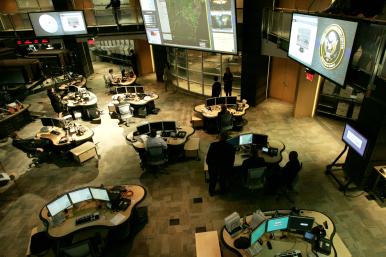
The National Counterterrorism Center in Virginia - source: Reuters
Video
Brief Analysis
25 Years After 9/11: NCTC Directors Assess Progress and Remaining Challenges
Three top former counterterrorism officials look back on a quarter-century of combating the global terrorist threat, discussing how their setbacks and successes can help Washington fill gaps in its current CT approach.
Sep 9, 2026
◆
  • Christine Abizaid
  • Matt Olsen
  • Nicholas Rasmussen
◆ Counterterrorism Lecture Series
Articles & Testimony
The Looming Terrorist Threats to America
Faced with brain drain, ideological distortion, and a wavering strategic focus, U.S. counterterrorism officials are being asked to do more with less today than their predecessors post-9/11.
Sep 8, 2026
◆
  • Matthew Levitt
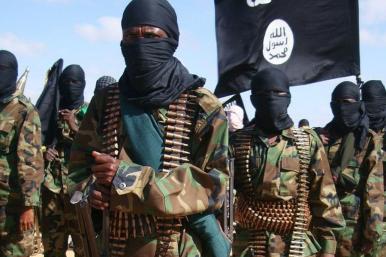
Photo showing fighters from the Somali terrorist group al-Shabab.
Articles & Testimony
The Fate of Global Jihadism Today: Internally Resilient, Strategically Deprioritized
Although America’s defensive and preventive mechanisms are much stronger today, the global jihadist situation in 2026 is uncomfortably similar to the 1990s, when the movement was treated as a manageable nuisance even as it quietly consolidated sanctuaries, built financial autonomy, and experimented with new methods of attack.
September 2026
◆
  • Aaron Y. Zelin
Brief Analysis
Following Up on the First Warning Shot in Operation Economic Outcast
Targeting a UAE-based bank with a serious but time-delayed action could have beneficial cautionary effects—though the wider problem of illicit Iranian financing in the Emirates will require a more concerted and lengthy Treasury Department campaign.
Sep 1, 2026
◆
  • Michael Jacobson
Articles & Testimony
Managing the Muhajirin: The Future of Syria’s Foreign Fighters
Congress has sought to condition U.S. support on fighter headcounts, but this approach alone won’t address the threats that are actually materializing in post-Assad Syria—in fact, it may wind up repeating mistakes made with past jihadist mobilizations.
August 2026
◆
  • Aaron Y. Zelin
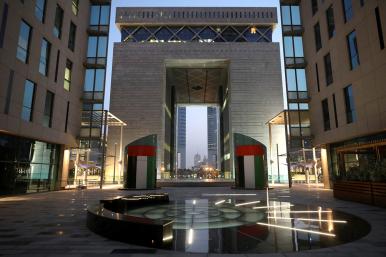
Dubai's The Gate complex in the Emirati financial center
Brief Analysis
Shutting Iran’s Emirati Back Door to Banks and Supply Chains
In launching its newly announced “Operation Economic Outcast,” the Trump administration’s primary beachhead should be the UAE, which has signaled a shift in the right direction but will need targeted U.S. help with cutting off illicit Iranian transactions.
Aug 24, 2026
◆
  • Matthew Levitt
  • Maya Chaovat
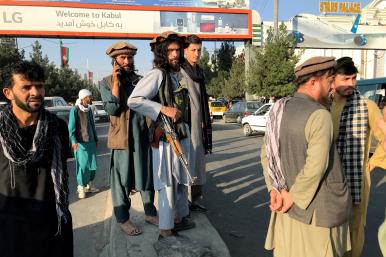
Photo showing Taliban fighters outside Kabul Airport, August 2021.
Maps & Graphics
Brief Analysis
Five Years of Taliban Diplomacy: Recognition Without Concessions
The Taliban has learned that it can reap substantial international rewards without budging on key security and human rights issues, but Washington can still exert pressure on crucial soft spots such as UN credentialing, Treasury Department licensing, and Central Asian project financing.
Aug 18, 2026
◆
  • Aaron Y. Zelin
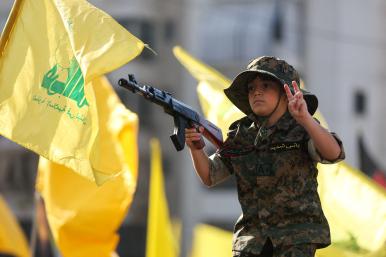
A child marches in a Hezbollah parade, holding a toy gun - source: Reuters
Articles & Testimony
Hezbollah’s Summer Camps for Junior Jihadis Pose a Mortal Threat to Peace
Washington and Beirut have made significant strides toward curtailing Hezbollah’s military arsenal, but dismantling the group’s “aspiring martyr” pipeline is no less important.
Aug 6, 2026
◆
  • David Schenker
Brief Analysis
The UK, Turkey, and Europe Must Do More to Dismantle Hamas Financial Networks
Despite recent high-profile arrests, transatlantic authorities won’t be able to meet their longer-term goals of stabilizing and rebuilding Gaza unless they take broader action against still-rampant Hamas fundraising.
Aug 6, 2026
◆
  • Michael Jacobson
  • Matthew Levitt
Brief Analysis
How to Prevent Militias from Disrupting Iraqi-Saudi Relations
As the dust settles from new attacks in both countries, Baghdad will need U.S. support to make progress against Iran-backed militias while assuaging Riyadh’s security concerns.
Jul 30, 2026
◆
  • Michael Knights
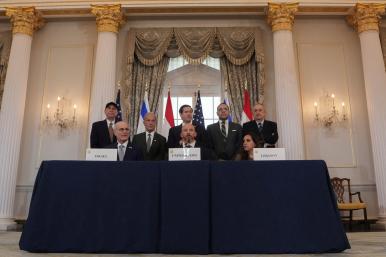
Secretary of State Marco Rubio presides as Israeli and Lebanese ambassadors to the United States sign an agreement in Washington - source: Reuters
Articles & Testimony
Operationalizing the Trilateral Framework Agreement
The framework's success will largely depend on the creation of a U.S.-led, third-party verification system to avoid the shortcomings experienced with previous agreements, bolstered by effective intelligence support and international financing.
Jul 15, 2026
◆
  • Matthew Levitt
Flags of Iran, Hezbollah, and Lebanon are seen at a Quds Day celebration in Tehran - source: Reuters
Articles & Testimony
Hizballah’s Deep State: The Real Challenge of Disarmament in Lebanon
As long as the group’s economic, political, and institutional ecosystem remains intact, officials will need to pair disarmament efforts with a sustained strategy to target financial networks, political influence, and judicial infiltration.
Jul 15, 2026
◆
  • Hanin Ghaddar
Emergency personnel respond to a terrorist knife attack in London in 2026 - source: Reuters
Articles & Testimony
A Ceasefire Won’t End Iran’s Terror War on Europe
Even if Washington resumes negotiations, Tehran will keep sending its proxies to commit attacks, buy weapons, and establish sham charities on the continent, so European governments must crack down harder.
Jul 9, 2026
◆
  • Michael Jacobson
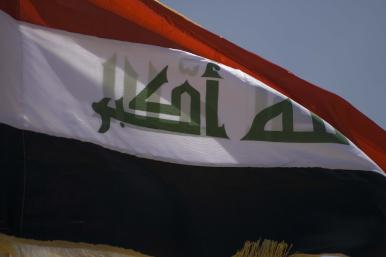
Iraqi flag
Brief Analysis
Iraqi Visit Can Help Shape the Future Fight Against the Islamic State
Despite other pressing priorities and the imminent end of the coalition mission, Zaidi’s trip is a vital opportunity to make sure Baghdad has the targeted assistance it needs to keep IS from resurging at a time of great domestic and regional turbulence.
Jul 8, 2026
◆
  • Devorah Margolin
  • Gabriel Wein
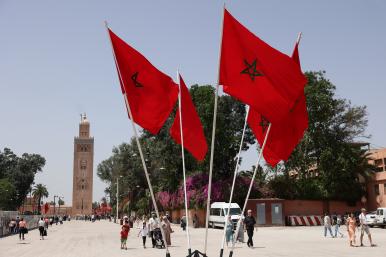
Moroccan flags fly in front of a mosque in Rabat - source: Reuters
Brief Analysis
How Morocco’s Religious Rehabilitation Model Could Help Gaza
Although local religious and social differences would present some obstacles, the proven exportability of Rabat’s deradicalization machinery and the kingdom’s good working relations with the Israeli government make it an intriguing candidate for inclusion in the wider Gaza stabilization effort.
Jul 1, 2026
◆
  • Salma Annasse
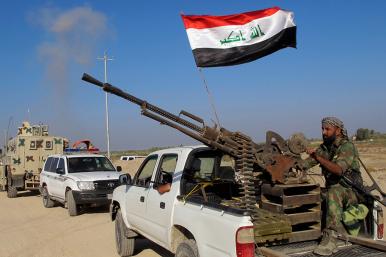
An Iraqi member of a Shia PMF militia
Brief Analysis
Making the Best of Iraqi Militia “Disarmament”
Although claimed compromises by some of Iran’s proxies are unlikely to result in actual disarmament anytime soon, Washington can still erode Tehran’s illicit financial networks by carefully exploiting the militias’ desire to be treated as normal political actors.
Jun 24, 2026
◆
  • Hamdi Malik
Chart showing attack numbers by different Islamic State "provinces."
Maps & Graphics
Brief Analysis
Tracking the Islamic State: Activity Trends, African Shifts, and U.S. Dormancy
As a landmark tool for monitoring the group’s activity hits another sobering milestone, U.S. officials cannot let regional crises completely overshadow important shifts in jihadist threats around the world.
Jun 11, 2026
◆
  • Aaron Y. Zelin
Brief Analysis
Rethinking Foreign Assistance Cuts That Endanger U.S. Interests
Despite President Trump’s transformative goals in the Middle East and the ongoing need for American help in weathering multiple regional crises, the new budget request doubles down on a range of problematic funding cuts.
Jun 8, 2026
◆
  • Alina Romanowski
  • Ben Fishman
  • Michael Jacobson

Pagination

  • Current page 1
  • Page 2
  • Page 3
  • Page 4
  • Page 5
  • Page 6
  • Page 7
  • Page 8
  • Page 9
  • …
  • Last page Last »
  • Next page Next ›
Supported by the

Jeanette and Eli Reinhard Program on Counterterrorism and Intelligence

The Washington Institute's Jeanette and Eli Reinhard Program on Counterterrorism and Intelligence serves as Washington's premier center for the study of international terrorism.

Sign Up for Email Updates from The Washington Institute

Never miss a breaking event on U.S. policy interests in the Middle East. Customize your subscription to our expert analysis, op-eds, live events, and special reports.


Sign up

Featured experts

Matthew Levitt
Matthew Levitt
Matthew Levitt is the Fromer-Wexler Senior Fellow and director of the Reinhard Program on Counterterrorism and Intelligence at The Washington Institute.
Devorah Margolin
Devorah Margolin
Devorah Margolin is the Blumenstein-Rodan Senior Fellow at The Washington Institute.
Michael Jacobson
Michael Jacobson
Michael Jacobson is the Mark and Wayne Levy Senior Fellow in The Washington Institute's Jeanette and Eli Reinhard Program on Counterterrorism and Intelligence.
Aaron Zelin
Aaron Y. Zelin
Aaron Y. Zelin is the Gloria and Ken Levy Senior Fellow at the Washington Institute for Near East Policy, where his research focuses on Sunni Arab jihadist groups in North Africa and Syria, foreign fighting, and online jihadism.
Background image with TWI branding
logo
wordmark
Homepage

1111 19th Street NW - Suite 500
Washington D.C. 20036
Tel: 202-452-0650
Fax: 202-223-5364

Footer contact links

  • Contact
  • Press Room
  • Subscribe

The Washington Institute seeks to advance a balanced and realistic understanding of American interests in the Middle East and to promote the policies that secure them.

The Institute is a 501(c)3 organization; all donations are tax-deductible.

Footer quick links

  • About TWI
  • Support the Institute
  • Alumni

Social media

  • The Washington Institute on Facebook facebook
  • The Washington Institute on X x
  • The Washington Institute on YouTube youtube
  • The Washington Institute on LinkedIn linkedin

© 2026 All rights reserved.

Footer

  • Employment
  • Privacy Policy
  • Rights & Permissions