TWI logo The Washington Institute for Near East Policy
logo
wordmark
Homepage

Main navigation

  • Analysis
  • Experts
  • About
  • Support
  • Maps & Multimedia
Trending:
  • Military & Security
  • Energy & Economics
  • Iran
  • Gulf States

Regions & Countries

  • Egypt
  • Gulf States
  • Iran
  • Iraq
  • Israel
  • Jordan
  • Lebanon
  • North Africa
  • Palestinians
  • Syria
  • Turkey

Issues

  • Arab & Islamic Politics
  • Arab-Israeli Relations
  • Democracy & Reform
  • Energy & Economics
  • Great Power Competition
  • Gulf & Energy Policy
  • Military & Security
  • Peace Process
  • Proliferation
  • Terrorism
  • U.S. Policy
TWI English
TWI Arabic: اللغة العربية Fikra Forum

Breadcrumb

  • Policy Analysis

Arab & Islamic Politics

Policy Analysis on Arab & Islamic Politics

Filter by:

A poster depicts former Hamas leader Ismail Haniyeh alongside the Iranian flag in Tehran following Haniyeh's killing in Iran - source: Reuters
Brief Analysis
With the Iran War, Hamas Tilts Toward the Brotherhood
The monthlong conflict and developments in Gaza have weakened the terrorist group’s connection to Tehran, offering Washington an opportunity to achieve its goals by working through Qatar and Turkey as well as Egypt.
Mar 26, 2026
◆
  • Ghaith al-Omari
A man speaks on his phone in Beirut, Lebanon, in front of posters depicting the U.S. flag - source: Reuters
Video
Brief Analysis
How Middle East Societies Grapple with War
A trio of leading regional journalists discuss how Emiratis, Israelis, and Jordanians are weathering the Iran crisis, what outcomes they are rooting for, and how their relations with Washington and each other might evolve as a result.
Mar 24, 2026
◆
  • Yonit Levi
  • Nadim Koteich
  • Amer Al Sabaileh
Syrian Army recruits attend their graduation ceremony from special forces training - source: Reuters
Brief Analysis
Syria Is Not Ready to Wage War Beyond Its Borders
The U.S. metric for effective cooperation shouldn’t be whether Syria is willing to fight Iran’s proxies in Lebanon or Iraq, but whether it continues advancing regional stability by securing its borders, limiting the flow of Iranian weapons and fighters, and coordinating politically with neighbors.
Mar 24, 2026
◆
  • Andrew J. Tabler
A satellite map with political borders overlaid shows Afghanistan, Iran, and Pakistan - source: Reuters
Brief Analysis
Examining the Terrorism and Insurgency Links Between AfPak and Iran
The two conflicts may appear unrelated, but an al-Qaeda haven in Iran, threats from the Islamic State, and separatist ambitions could supercharge the risks to regional and global security.
Mar 12, 2026
◆
  • Aaron Y. Zelin
Articles & Testimony
A Levant Without Militias?
For the first time, the region is on the path to sidelining militias and reaping the potential stabilization benefits, though significant obstacles remain.
Mar 10, 2026
◆
  • David Schenker
Articles & Testimony
The Middle East’s “1919” Moment
If the Iranian threat to the Middle East is brought to an end, the loose alliance of actors who have long sought this outcome must manage their differences to avoid the regional mistakes made after World War I.
Mar 10, 2026
◆
  • James Jeffrey
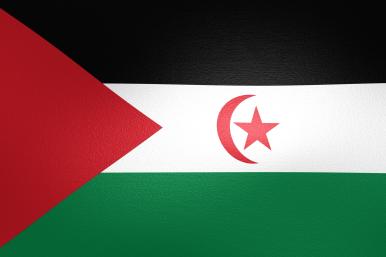
A Western Sahara flag flying in the Sahara - source: Reuters
Articles & Testimony
A Western Sahara Resolution Requires Meaningful Engagement with Algeria
Longstanding sensitivities between Algiers and Rabat mean that Washington will need to tread delicately in its renewed effort to resolve the dispute.
Feb 24, 2026
◆
  • Souhire Medini
  • Sabina Henneberg
Video
Articles & Testimony
Syria at a Crossroads: U.S. Policy Challenges Post-Assad
Damascus will not take the difficult steps to reconcile internal animosities and rebuild destroyed infrastructure unless outside supporters—led by the United States—speak with one voice about their expectations and red lines.
Feb 10, 2026
◆
  • James Jeffrey
Video
Articles & Testimony
Cutting Through the Fog of War (and Peace) in Syria
Clear-eyed recounting and a detailed roadmap can give U.S. officials and the American public a better view of what security and governance measures the new Syrian government has taken so far, and what gaps and pitfalls remain in the path of lasting stability.
Feb 10, 2026
◆
  • Andrew J. Tabler
Protesters wave a Syrian opposition flag during a demonstration at a Roman ruin in Deraa Province in 2016 - source: Reuters
Articles & Testimony
Unifying Syria Without Reigniting War
Full Kurdish integration in Syria is one of the most important projects in the Middle East, but Washington must ensure it is accomplished without further violence, and without blowing the activities of various foreign players out of proportion.
Jan 30, 2026
◆
  • James Jeffrey
Video
Articles & Testimony
Targeting Hezbollah’s Broader Ecosystem of Power
The ongoing disarmament process is crucial, but completing it will be impossible without more attention to Hezbollah’s cash economy, judicial interference, political intimidation, and other elements of domestic power.
Feb 3, 2026
◆
  • Hanin Ghaddar
Video
Articles & Testimony
In Lebanon, Pushing the Ball Forward Before the May Election
Without electoral law modifications, sanctions against pro-Hezbollah elites, prosecutions for long-delayed cases like the port explosion, and other urgent measures, the group and its allies could wind up regaining their grip in Lebanon during the next round of nationwide voting.
Feb 3, 2026
◆
  • David Schenker
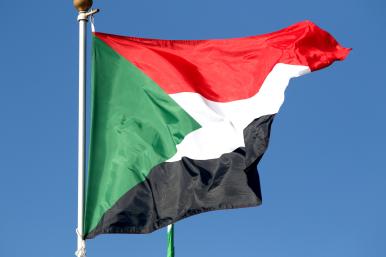
Flag of Sudan - source: Reuters
Brief Analysis
Breaking the Deadlock in Sudan
Decisive U.S. leadership is essential to resolve worsening differences between fellow Quad members, neutralize spoilers, and ensure that Sudanese civilians—not just armed factions—shape their country’s future.
Jan 28, 2026
◆
  • Donald Booth
  • Areig Elhag
Photo of Arab officials meeting to discuss the Gaza crisis, February 2024.
Brief Analysis
Egypt’s Tightrope Walk Between Saudi Arabia and the UAE
Cairo will not be able to stand completely above Gulf rivalries, but tactful U.S. diplomacy on economics and regional security issues can help give Egyptian leaders enough space to continue their balancing strategy.
Jan 23, 2026
◆
  • Haisam Hassanein
Brief Analysis
Kurdish Collapse in Northeast Syria? Key Things to Watch
Washington Institute experts assess the immediate fallout of the Syrian government’s advance into SDF-held parts of the northeast, including mutual disinformation campaigns, implications for the Islamic State threat, the terms of new agreements with the Kurds, and the calculus of outside actors like the United States, Israel, and Turkey.
Jan 21, 2026
◆
  • Andrew J. Tabler
  • James Jeffrey
  • Devorah Margolin
  • Aaron Y. Zelin
  • Soner Cagaptay
  • Zohar Palti
  • Assaf Orion
Flag of Sudan
Articles & Testimony
Sudan Stands Between War and an Imposed Peace
Three possible scenarios have emerged for the war-torn country in 2026, but current realities suggest that a ceasefire and formal transition to civilian governance is the least likely.
Jan 20, 2026
◆
  • Areig Elhag
  • Ben Fishman
Brief Analysis
As Hezbollah Nervously Watches Iran, Washington Should Double Down on Disarmament
The possibility that its Iranian patron may be toppled is stoking Hezbollah’s existential fears, giving U.S. officials an opening to step up the pressure on Beirut, accelerate the disarmament process, and stave off looming Israeli escalation.
Jan 16, 2026
◆
  • Hanin Ghaddar
Lebanon's Foreign Minister Youssef Raggi - source: Republic of Lebanon
Video
Brief Analysis
Lebanon's Outlook on Sovereignty, Disarmament, and Peace
A Discussion with Foreign Minister Youssef Raggi
Watch video or read a summary of the minister’s observations on a multitude of crucial issues, from Hezbollah disarmament and long-term Israeli peace to relations with Iran, Saudi Arabia, Syria, and Turkey.
Dec 29, 2025
◆
  • Youssef Raggi
Imed Khemiri, a senior official in the Ennahda party and member of the Salvation Front (L) takes part in a protest, demanding the release of imprisoned journalists, activists, opposition figures and setting a date for fair presidential elections in Tunis, Tunisia May 12, 2024 - source: Reuters
Brief Analysis
Tunisia’s Growing Protests Open a Door for Low-Cost U.S. Initiatives
Amid mounting domestic pressure on President Saied, the Trump administration should take modest but useful and forward-looking steps like lifting tariffs, supporting less-politicized trade projects, and otherwise backing the people’s vision for a more prosperous future.
Dec 17, 2025
◆
  • Sabina Henneberg
Syrian President Sharaa chairs a cabinet meeting in Damascus - source: Reuters
Video
Brief Analysis
The New Syria, Year Two: Rebuilding Institutions and Governance
A former U.S. envoy to Syria joins an expert on President Sharaa’s ruling faction to discuss how Damascus should approach governance issues one year after the fall of Assad.
Dec 5, 2025
◆
  • Aaron Y. Zelin
  • James Jeffrey

Pagination

  • Current page 1
  • Page 2
  • Page 3
  • Page 4
  • Page 5
  • Page 6
  • Page 7
  • Page 8
  • Page 9
  • …
  • Last page Last »
  • Next page Next ›
Supported by the

Linda and Tony Rubin Program on Arab Politics

The Washington Institute's Linda and Tony Rubin Program on Arab Politics focuses on social, political, and economic developments in the Arab world, with an emphasis on the Arab countries of the Levant.

Sign Up for Email Updates from The Washington Institute

Never miss a breaking event on U.S. policy interests in the Middle East. Customize your subscription to our expert analysis, op-eds, live events, and special reports.


Sign up

Featured experts

David Schenker
David Schenker
David Schenker is the Taube Senior Fellow at The Washington Institute and director of the Linda and Tony Rubin Program on Arab Politics. He is the former Assistant Secretary of State for Near Eastern Affairs.
Ghaith al-Omari
Ghaith al-Omari
Ghaith al-Omari is the Rosalinde and Arthur Gilbert Foundation Senior Fellow in The Washington Institute's Irwin Levy Family Program on the U.S.-Israel Strategic Relationship.
Hanin Ghaddar
Hanin Ghaddar
Hanin Ghaddar is the Friedmann Senior Fellow at The Washington Institute's Rubin Family Arab Politics Program, where she focuses on Shia politics throughout the Levant.
Background image with TWI branding
logo
wordmark
Homepage

1111 19th Street NW - Suite 500
Washington D.C. 20036
Tel: 202-452-0650
Fax: 202-223-5364

Footer contact links

  • Contact
  • Press Room
  • Subscribe

The Washington Institute seeks to advance a balanced and realistic understanding of American interests in the Middle East and to promote the policies that secure them.

The Institute is a 501(c)3 organization; all donations are tax-deductible.

Footer quick links

  • About TWI
  • Support the Institute
  • Alumni

Social media

  • The Washington Institute on Facebook facebook
  • The Washington Institute on X x
  • The Washington Institute on YouTube youtube
  • The Washington Institute on LinkedIn linkedin

© 2026 All rights reserved.

Footer

  • Employment
  • Privacy Policy
  • Rights & Permissions