



TWI logo The Washington Institute for Near East Policy
logo
wordmark
Homepage

Main navigation

  • Analysis
  • Experts
  • About
  • Support
  • Maps & Multimedia
Trending:
  • Military & Security
  • Energy & Economics
  • Iran
  • Lebanon
  • Gulf States

Regions & Countries

  • Egypt
  • Gulf States
  • Iran
  • Iraq
  • Israel
  • Jordan
  • Lebanon
  • North Africa
  • Palestinians
  • Syria
  • Turkey

Issues

  • Arab & Islamic Politics
  • Arab-Israeli Relations
  • Democracy & Reform
  • Energy & Economics
  • Great Power Competition
  • Gulf & Energy Policy
  • Military & Security
  • Peace Process
  • Proliferation
  • Terrorism
  • U.S. Policy
TWI English
TWI Arabic: اللغة العربية Fikra Forum

Breadcrumb

  • Policy Analysis

Iran

Policy Analysis on Iran

Filter by:

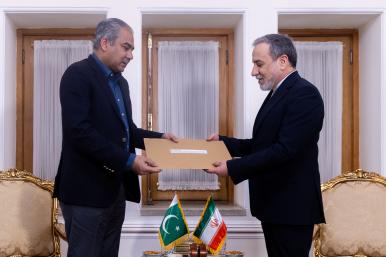
Pakistani and Iranian foreign ministers exchange documents relating to a U.S.-Iranian memorandum of understanding in Islamabad - source: Reuters
Video
Brief Analysis
A Postwar Middle East? The U.S.-Iran Negotiations and the Region’s Future
Three experts discuss the terms, gaps, and wider regional implications of the new U.S.-Iran agreement, including how it is being received inside the Gulf states and Iran.
Jun 22, 2026
◆
  • Richard Nephew
  • Dennis Ross
  • Holly Dagres
A photo illustration shows US and Iranian flags and an atomic symbol - source: Reuters
Articles & Testimony
This Is Not a Grand Bargain With Iran. Good.
Although the United States and the world needed shipping to resume through the Strait of Hormuz, negotiating a nuclear agreement is not a postwar priority.
Jun 18, 2026
◆
  • Michael Singh
A protester holds a #FreeIran banner in Berlin - source: Reuters
Articles & Testimony
Trump Told Iranians to Keep Protesting. Then He Abandoned Their Cause.
With the regime still in place, the war has left ordinary Iranians worse off, and U.S. policy has compounded their sense of abandonment.
Jun 16, 2026
◆
  • Holly Dagres
A US Navy F-18 lands on a carrier flight deck - source: Department of Defense
Articles & Testimony
The Middle East Power Paradox: How the Iran War Will Transform America’s Military Role
Although the U.S. military approach to the region has delivered many operational successes, the Iran war has exposed its serious shortcomings and created new challenges.
Jun 16, 2026
◆
  • Dana Stroul
A sailor directs the launch of an F-18 from the flight deck of the carrier USS Harry S Truman - source: Department of Defense
Video
Brief Analysis
Back to Bombs or Driving to a Deal? Assessing the U.S.-Iran State of Play
Three experts discuss the fallout from the latest military strikes, along with the potential contours and implications of a newly announced agreement to halt the fighting and reopen the Strait of Hormuz.
Jun 12, 2026
◆
  • Dana Stroul
  • Robert Satloff
  • Michael Singh
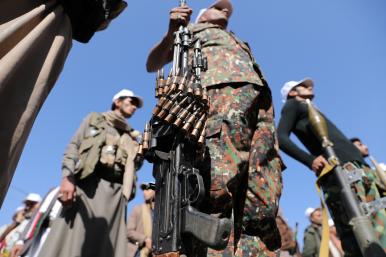
Yemen's Houthis in formation.
Articles & Testimony
How the Looming Houthi Threat Could Turn the Iran War
Whether the U.S. truce with Iran breaks down or winds up rewarding the regime, the previously restrained Houthis may take it as a signal to resume their own aggression.
Jun 9, 2026
◆
  • April Longley Alley
Ships and boats await passage in the Persian Gulf - source: Reuters
Articles & Testimony
A Deal Could Leave Iran Fatally Weakened
The Trump administration won’t achieve all of its war goals, but it could still notch a strategic win with time.
Jun 8, 2026
◆
  • Dennis Ross
A man manipulates cables on a bank of internet data servers - source: Reuters
Articles & Testimony
Iran’s Next Internet Blackout Is Inevitable
Flipping the kill switch is a potent exercise of authoritarian control, but expediting countermeasures like D2C can help prevent regimes from using this tactic in the future.
Jun 5, 2026
◆
  • Holly Dagres
Brief Analysis
Countering Iran’s Latest “Smart Control” Gambit in the Strait of Hormuz
Tehran is hoping that its Persian Gulf Strait Authority will establish “facts on the ground” and give it leverage at the negotiating table, so Washington and its partners need to respond right away with a suite of military, economic, and diplomatic countermeasures.
Jun 3, 2026
◆
  • Farzin Nadimi
Flags of Iran, Hezbollah, and Lebanon are seen at a Quds Day celebration in Tehran - source: Reuters
Brief Analysis
Beyond Disarmament: How the IRGC Keeps Hezbollah in Power Despite Its Military Losses
Although disarming the group is still crucial, negotiators need to realize that they will never really break Hezbollah’s hold on Lebanon so long as it retains Iranian support and key political allies and government posts in Beirut.
May 29, 2026
◆
  • Hanin Ghaddar
Egyptian troops cross a makeshift bridge over the Suez Canal in 1956 - source: Wikimedia Commons
Articles & Testimony
Is Iran America’s Suez Crisis? Not to Xi Jinping
Some may read Xi’s approach as a strategy to make America expend its strength far from Chinese shores, but Beijing increasingly looks more like a regional power than a global superpower.
May 26, 2026
◆
  • Michael Singh
Turkish president Erdogan at NATO headquarters in Brussels
Brief Analysis
Turkey’s Limited Role in the Iran War
Power parity informs the view from Ankara, which has a strong interest in preventing Iran from going nuclear or alternatively falling into chaos—even as the war’s outcome will be largely outside Turkish control.
May 26, 2026
◆
  • Soner Cagaptay
Brief Analysis
Iran’s Drone Strategy (Part 2): Preventing Postwar Rebuilding and Advancements
Tehran’s drone ecosystem has been hit hard, but not at its roots—with help from Russia and China, the regime could restore many of the program’s capabilities within months while steadily working toward more dangerous next-generation models.
May 22, 2026
◆
  • Farzin Nadimi
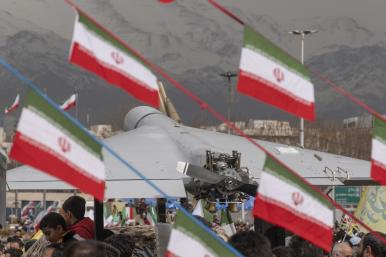
A Shahed-136 drone in a military parade in Tehran - source: Reuters
Brief Analysis
Iran’s Drone Strategy (Part 1): Wartime Performance and Adaptations
The war has shown that Iran’s one-way attack drones are highly adaptable tools of coercion and military effect, able to continue imposing costs across the Gulf region and beyond even after heavy losses.
May 22, 2026
◆
  • Farzin Nadimi
Ships of the US Navy's Fifth Fleet on exercise in the Persian Gulf
Brief Analysis
Shifting from Diplomatic Urgency to Strategic Patience on Iran
For decades, Tehran has repeatedly exploited Western diplomatic urgency to extract concessions, buy time, and refill its coffers; the answer is to turn time itself against the increasingly vulnerable regime.
May 19, 2026
◆
  • Zohar Palti
A bread seller in Cairo walks past a sign promoting President Sisi - source: Reuters
Articles & Testimony
Is Egypt the Biggest Loser of the Iran War?
Cairo’s economic mismanagement has increased the country’s reliance on Gulf largesse, but that spigot may soon run dry for diplomatic and financial reasons.
May 18, 2026
◆
  • David Schenker
USS Boxer leads U.S. Navy ships transiting the Strait of Hormuz - source: Department of Defense
Brief Analysis
How to Accomplish U.S. Objectives in Iran
An agreement to open the Strait of Hormuz in exchange for lifting the U.S. blockade could make it easier to ultimately address more complex issues such as Iran’s uranium stockpile, missile program, and support for proxies.
May 14, 2026
◆
  • Michael Singh
Brief Analysis
For Iranians to Rise Up, a Clear Path for Regime Defectors Is Needed
Neither the United States nor Israel has offered the concrete incentives needed to spur high-level defections from the security, political, and clerical establishments—a crucial precondition for regime change.
May 13, 2026
◆
  • Holly Dagres
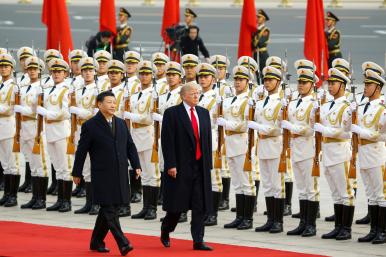
Chinese president Xi walks with U.S. president Trump in Beijing in 2017 - source: Reuters
Brief Analysis
Trump’s China Trip: Implications for the Middle East and Beyond
The first presidential visit to China in nearly a decade will cover trade, technology, and a range of other bilateral topics, including frank conversations on Middle East subjects such as Beijing’s support to Iran and the wider global repercussions of the Strait of Hormuz crisis.
May 13, 2026
◆
  • Grant Rumley
  • Henry Tugendhat
  • Elizabeth Dent
  • Anna Borshchevskaya
  • Souhire Medini
Articles & Testimony
Between Intent and Capability: Assessing the Lack of Iranian Attacks on the U.S. Homeland
Although the threat may be somewhat diminished by the damage inflicted on Tehran’s security and intelligence agencies, the regime will reconstitute those capabilities over time and may calculate that the benefits of attacking highly vulnerable targets inside the United States outweigh the risks.
May 6, 2026
◆
  • Matthew Levitt

Pagination

  • Current page 1
  • Page 2
  • Page 3
  • Page 4
  • Page 5
  • Page 6
  • Page 7
  • Page 8
  • Page 9
  • …
  • Last page Last »
  • Next page Next ›
Supported by the

Viterbi Program on Iran and U.S. Policy

Today, the Islamic Republic of Iran poses the most serious and urgent set of security challenges to the United States and its allies in the greater Middle East. Since the Khomeini revolution in 1979, Iran has sought to export its radical ideology through the use of terrorism, subversion, and support to ideological fellow-travelers throughout the Muslim world.

Sign Up for Email Updates from The Washington Institute

Never miss a breaking event on U.S. policy interests in the Middle East. Customize your subscription to our expert analysis, op-eds, live events, and special reports.

Sign up

Featured experts

Farzin Nadimi
Farzin Nadimi
Farzin Nadimi, a Senior Fellow with The Washington Institute, is a Washington-based analyst specializing in the security and defense affairs of Iran and the Persian Gulf region.
Holly Dagres
Holly Dagres
Holly Dagres is the Libitzky Family Senior Fellow in The Washington Institute's Viterbi Program on Iran and U.S. Policy.
Patrick Clawson
Patrick Clawson
Patrick Clawson is the Morningstar Senior Fellow and Research Counselor at The Washington Institute.
Background image with TWI branding
logo
wordmark
Homepage

1111 19th Street NW - Suite 500
Washington D.C. 20036
Tel: 202-452-0650
Fax: 202-223-5364

Footer contact links

  • Contact
  • Press Room
  • Subscribe

The Washington Institute seeks to advance a balanced and realistic understanding of American interests in the Middle East and to promote the policies that secure them.

The Institute is a 501(c)3 organization; all donations are tax-deductible.

Footer quick links

  • About TWI
  • Support the Institute
  • Alumni

Social media

  • The Washington Institute on Facebook facebook
  • The Washington Institute on X x
  • The Washington Institute on YouTube youtube
  • The Washington Institute on LinkedIn linkedin

© 2026 All rights reserved.

Footer

  • Employment
  • Privacy Policy
  • Rights & Permissions