



Watch an expert conversation previewing Israel's historic October 27 elections.
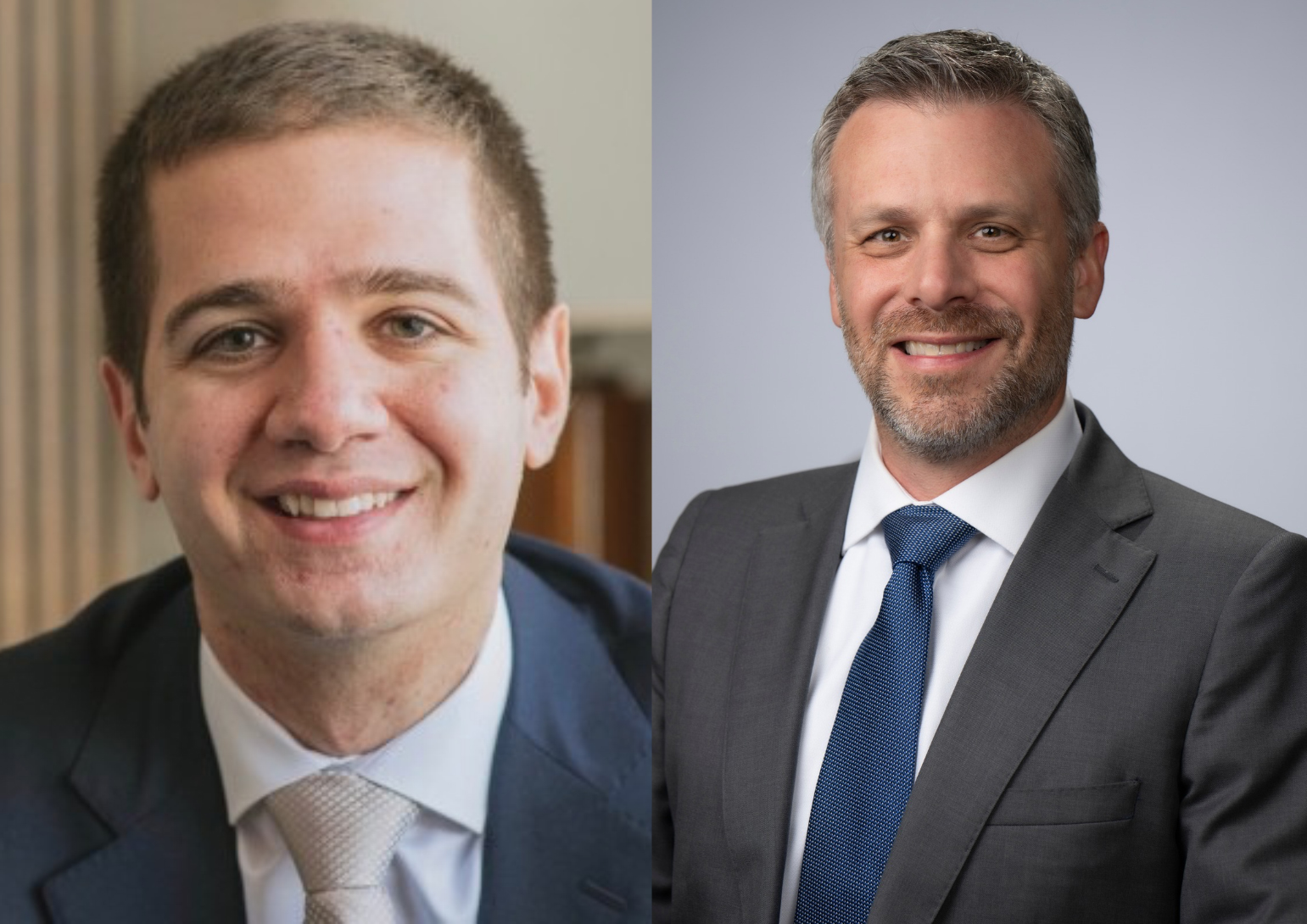
Eitan Danon and Joshua Kram, two leading experts on economic statecraft, national security, and the Middle East, have joined The Washington Institute for Near East Policy as adjunct senior fellows.
Danon and Kram’s research agenda at the Institute will focus on Middle East geoeconomics, examining how capital, technology, infrastructure, and economic statecraft are shaping the region.
Pentagon and State Department veteran Elizabeth Dent, the Institute's Nathan and Esther K. Wagner Senior Fellow, surveys the key issues she's following in the Persian Gulf Region. Will the United States join strikes against Yemen's Houthis? How will Gulf economies weather the ongoing crises sparked by the Iran war? Could Saudi-Houthi hostilities open a new front for Iran, or lead to reconciliation between Riyadh and Abu Dhabi?
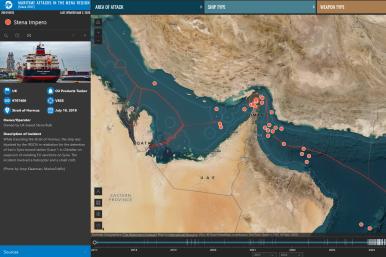
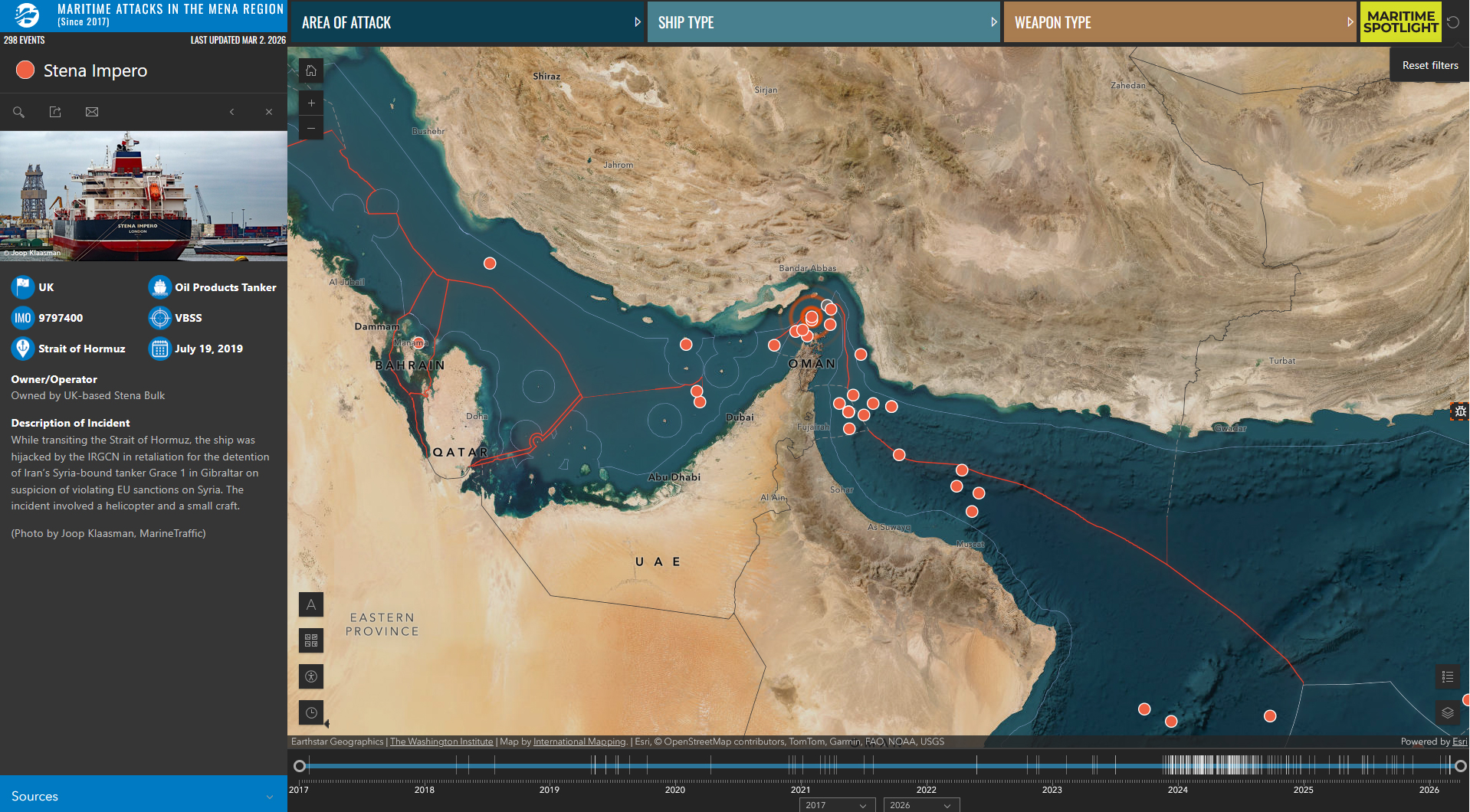
Explore this new interactive tool to shed light on the actions of actors such as Iran and Yemen's Houthis that have threatened and attacked commercial shipping in the waters off the Middle East and North Africa.