Skip to main content
The Washington Institute for Near East Policy
Menu
Toggle Main Menu
Homepage
Main navigation
تحلیلها
کارشناسان
دربارهما
پشتیبانی
نقشه و چند رسانهای
مباحث روز :
تروریسم
رقابت قدرتهای بزرگ
ایران
لبنان
کشورهای حاشیهخلیج فارس
Toggle List of
منطقهها
منطقهها و کشورها
اردن
اسرائیل
ایران
ترکیه
سوریه
شمال آفریقا
عراق
فلسطینیها
لبنان
مصر
کشورهای حاشیهخلیج فارس
موضوع
انرژی و اقتصاد
تروریسم
خلیج و سیاست حوزه انرژی
دمکراسی و اصلاح
رقابت قدرتهای بزرگ
روابط عرب و اسرائیل
سیاست آمریکا
عرب و اسلام سیاسی
فرایند صلح
منع اشاعه
نظامی و امنیتی
Close List of All Regions and Issues
Close
Search Policy Analysis
TWI English
TWI Arabic:
اللغة العربية
Fikra Forum
Close Menu
Close
Search Policy Analysis
جستجو
Policy Analysis
Filter by:
Keyword
Region
- Any -
مصر
کشورهای حاشیهخلیج فارس
ایران
عراق
اسرائیل
اردن
لبنان
شمال آفریقا
فلسطینیها
سوریه
ترکیه
Issue
- Any -
عرب و اسلام سیاسی
روابط عرب و اسرائیل
دمکراسی و اصلاح
انرژی و اقتصاد
رقابت قدرتهای بزرگ
خلیج و سیاست حوزه انرژی
نظامی و امنیتی
فرایند صلح
منع اشاعه
تروریسم
سیاست آمریکا
Media type
- Any -
شنیداری
نقشه و نمودار
چندرسانهای
ویدئو
تاریخ انتشار
- Any -
Past 7 Days
Past 30 Days
Past Year
Custom range...
Start date
End date
Type
- Any -
مقالهها و دیدگاهها
تحلیل کوتاه
گزارشهای تفصیلی
Sort by
Oldest first
Newest first
Found
12173
results
Brief Analysis
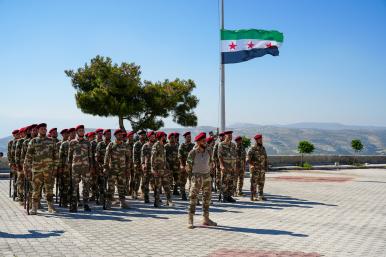
Syria Is Not Ready to Wage War Beyond Its Borders
The U.S. metric for effective cooperation shouldn’t be whether Syria is willing to fight Iran’s proxies in Lebanon or Iraq, but whether it continues advancing regional stability by securing its borders, limiting the flow of Iranian weapons and fighters, and coordinating politically with neighbors.
۲۴ مارس ۲۰۲۶
◆
Andrew J. Tabler
Video
Brief Analysis
How Middle East Societies Grapple with War
A trio of leading regional journalists discuss how Emiratis, Israelis, and Jordanians are weathering the Iran crisis, what outcomes they are rooting for, and how their relations with Washington and each other might evolve as a result.
۲۴ مارس ۲۰۲۶
◆
Yonit Levi
Nadim Koteich
Amer Al Sabaileh
Fikra Forum
Fikra Forum
Iran’s Western Frontier: Iranian Kurds Navigate Risk and Opportunity
For the estimated 7 to 15 million Kurds in Iran, the current war represents a narrow window for change, albeit one where the parameters are unclear.
۲۳ مارس ۲۰۲۶
◆
Shukriya Bradost
Brief Analysis
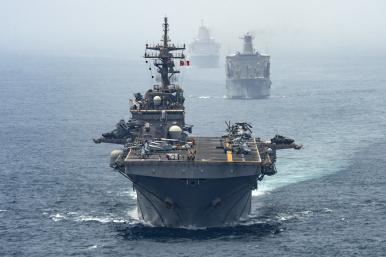
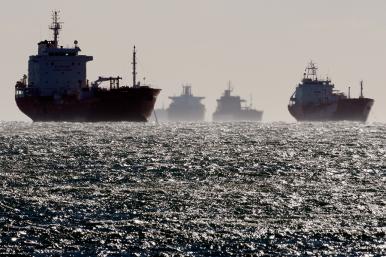
Military Options for Reopening the Strait of Hormuz: Limitations and Imperatives
Loosening Tehran’s grip on the strait and its disruption of the global economy would entail not only reducing threats to navigation, but also increasing pressure on the Iranian economy in order to deter further attacks and create leverage for diplomacy.
۲۳ مارس ۲۰۲۶
◆
Michael Eisenstadt
Assaf Orion
Maps & Graphics
Brief Analysis
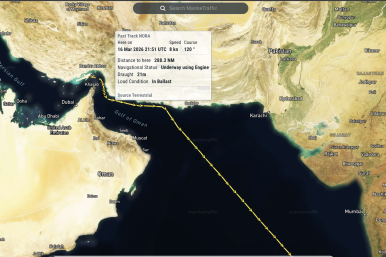
Iran’s Force Multiplier: Tracking the War’s Maritime and Energy Effects
If Washington wants to calm the markets and reach its other energy objectives more quickly, it will have to find a way of de-escalating a shipping crisis that Tehran is clearly taking advantage of in the Strait of Hormuz and beyond.
۲۳ مارس ۲۰۲۶
◆
Noam Raydan
Video
Brief Analysis
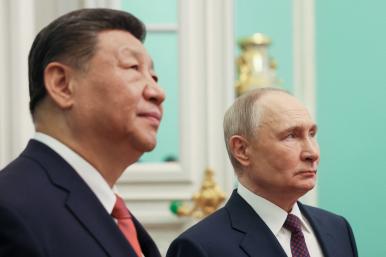
Great Power Competition During (and After) the Iran War
Three experts examine how Moscow, Beijing, and European capitals are navigating the crisis and what their choices reveal about the future of the global order.
۱۹ مارس ۲۰۲۶
◆
Anna Borshchevskaya
Souhire Medini
Henry Tugendhat
Grant Rumley
Articles & Testimony
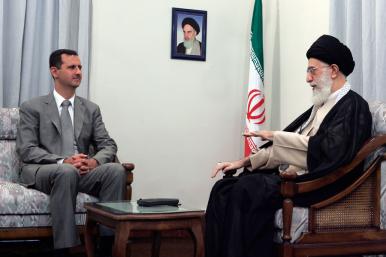
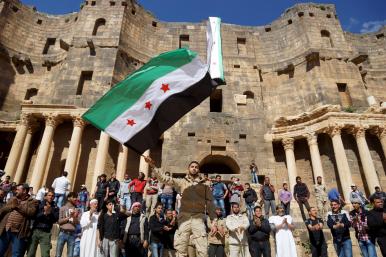
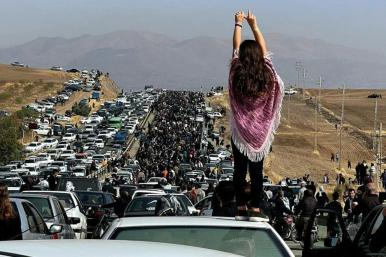
What the Islamic Republic Learned About Repression From Syria
Tehran helped the Assad regime crush unarmed protests with staggering violence; now it has turned those same tactics on its own people.
۱۸ مارس ۲۰۲۶
◆
Holly Dagres
Brief Analysis
Syria Is Feeling the Fallout from the Iran Crisis
The war’s effects on Syria have largely fallen below the radar, yet no one should forget how much has changed there since 2024, nor how important it is to preserve the government’s accomplishments against Iran and its partners while acknowledging the conflict’s local economic consequences.
۱۸ مارس ۲۰۲۶
◆
Aaron Y. Zelin
Articles & Testimony
Keeping Iran’s Proxies on Their Back Feet
Even as the war proceeds, much more must be done to identify how Tehran and its terrorist partners are adapting their procurement and fundraising networks to evolving conditions in the Middle East.
Spring 2026
◆
Matthew Levitt
Michael Jacobson
Articles & Testimony
How China Could Shorten Iran’s Path to Military Recovery After the War
Beijing has been mostly talk and little walk so far, but once the war ends, it may decide to help Tehran rebuild militarily in return for oil.
۱۷ مارس ۲۰۲۶
◆
Assaf Orion
Articles & Testimony
Can Hezbollah Be Dismantled?
Renewed warfare with Israel aside, Hezbollah will not be permanently undone unless one of two scenarios occurs: regime change in Iran, or the complete dismantlement of the group’s domestic financial system and political power.
۱۷ مارس ۲۰۲۶
◆
Hanin Ghaddar
Brief Analysis
Defeating Iran’s Strategy: Energy Security and the “Abraham Shield”
Tehran is targeting the soft underbelly of the U.S.-Israeli campaign—the oil sector and vulnerable Middle Eastern states—but allied officials can counter this strategy by taking concerted steps to bolster their regional partners, stabilize oil markets, and suppress the regime's military capabilities.
۱۶ مارس ۲۰۲۶
◆
Assaf Orion
Articles & Testimony
Lebanon’s Failure to Disarm Hezbollah Comes With a Price
Through their continued unwillingness to take on the militia and break Iran’s hold over Lebanon, Beirut and the LAF have effectively chosen the more calamitous path of war with Israel.
۱۴ مارس ۲۰۲۶
◆
David Schenker
Video
Brief Analysis
Countering Threats from Iran’s Proxies and Partners During Wartime
Three experts discuss how Hezbollah, the Yemeni Houthis, and pro-Iran militias in Iraq have reacted to the war so far, outlining steps Washington and its regional partners can take to keep them from escalating further.
۱۳ مارس ۲۰۲۶
◆
Hanin Ghaddar
April Longley Alley
Michael Knights
Brief Analysis
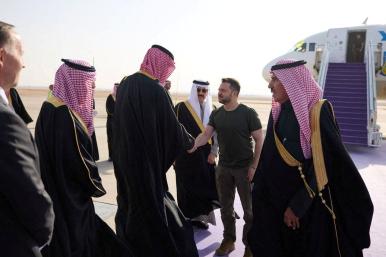
Washington Should Jump on Ukraine’s Outreach to the Middle East
By offering military expertise and technology to the Gulf states, Kyiv has given the U.S. government a unique opportunity to counter Iran and Russia while boosting the security of American partners and forces in the region.
۱۳ مارس ۲۰۲۶
◆
Anna Borshchevskaya
Matthew Tavares
Articles & Testimony
An Achievable Goal in Iran
Instead of regime change, try regime weakening.
۱۳ مارس ۲۰۲۶
◆
Dennis Ross
Brief Analysis
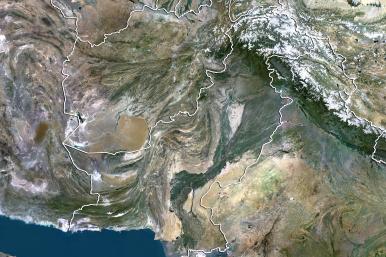
Examining the Terrorism and Insurgency Links Between AfPak and Iran
The two conflicts may appear unrelated, but an al-Qaeda haven in Iran, threats from the Islamic State, and separatist ambitions could supercharge the risks to regional and global security.
۱۲ مارس ۲۰۲۶
◆
Aaron Y. Zelin
Brief Analysis
How Russia Benefits from Oil Disruption in the Gulf
The de facto halt to Gulf oil shipments has already helped Moscow win back India as a major oil customer, while the rise in global prices could greatly refresh its depleted Ukraine war budget.
۱۱ مارس ۲۰۲۶
◆
Noam Raydan
Anna Borshchevskaya
Articles & Testimony
A Levant Without Militias?
For the first time, the region is on the path to sidelining militias and reaping the potential stabilization benefits, though significant obstacles remain.
۱۰ مارس ۲۰۲۶
◆
David Schenker
Articles & Testimony
China’s Middle East Ties Go Far Beyond Iran
Beijing is just as concerned about its Gulf partners as it is about China’s “old friends” in Tehran.
۱۰ مارس ۲۰۲۶
◆
Henry Tugendhat
Pagination
Previous page
‹‹
First page
« First
…
Page
4
Page
5
Page
6
Page
7
Current page
8
Page
9
Page
10
Page
11
Page
12
…
Last page
Last »
Next page
››