
TWI logo The Washington Institute for Near East Policy
logo
wordmark
Homepage

Main navigation

  • تحلیل‌ها
  • کارشناسان
  • درباره‌ما
  • پشتیبانی
  • نقشه و چند رسانه‌ای
مباحث روز :
  • نظامی و امنیتی
  • منع اشاعه
  • اسرائیل
  • ایران
  • لبنان
  • سوریه

منطقه‌ها و کشورها

  • اردن
  • اسرائیل
  • ایران
  • ترکیه
  • خاورمیانه
  • سوریه
  • شمال آفریقا
  • عراق
  • فلسطینی‌ها
  • لبنان
  • مصر
  • کشورهای حاشیه‌خلیج فارس

موضوع

  • انرژی و اقتصاد
  • تروریسم
  • خلیج و سیاست حوزه انرژی
  • دمکراسی و اصلاح
  • رقابت قدرت‌های بزرگ
  • روابط عرب و اسرائیل
  • سیاست آمریکا
  • عرب و اسلام سیاسی
  • فرایند صلح
  • منع اشاعه
  • نظامی و امنیتی
TWI English
TWI Arabic: اللغة العربية Fikra Forum

نظامی و امنیتی

Policy Analysis on نظامی و امنیتی

Filter by:

Brief Analysis
What Did the Confirmation Hearings Reveal About Biden’s Middle East Policy?
Antony Blinken, Avril Haines, and Lloyd Austin responded at length to congressional questions about the Iran nuclear deal, the Yemen war, Arab-Israel normalization, and other pressing regional issues.
۲۲ ژانویه ۲۰۲۱
◆
  • Ilari Papa
تحلیل کوتاه
تحرک زیردریایی‌ها در مرز ایران: پیامدهای نظامی و حقوقی
اعزام غیرعادی نیروهای دریایی آمریکا و اسرائیل ممکن است با نیت بازدارندگی علیه حملات ایران در خلیج فارس باشد، اما تحرکات هر دو ممکن است از سوی تهران سوءتعبیر شود.
۲۱ ژانویهٔ ۲۰۲۱
◆
  • فرزین ندیمی
Former Vice President Joe Biden speaks in 2020
Articles & Testimony
Biden’s First 200 Days: The Security Agenda
Many of the administration’s early Middle East security efforts will boil down to crisis management, but new frameworks like the Abraham Accords may provide opportunities to address longer-term problems.
۲۰ ژانویه ۲۰۲۱
◆
  • Michael Eisenstadt
Brief Analysis
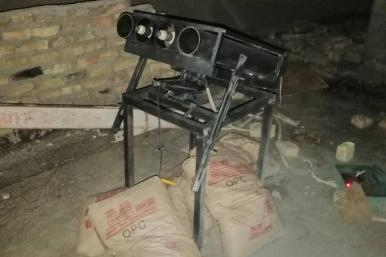
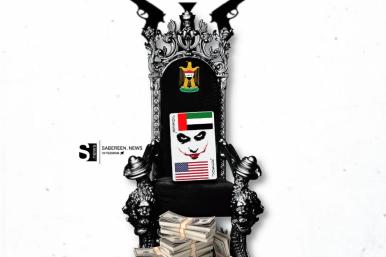
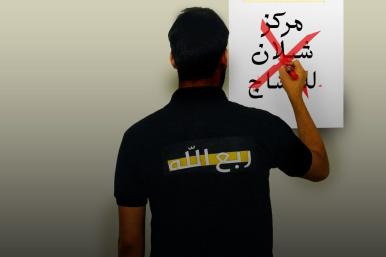
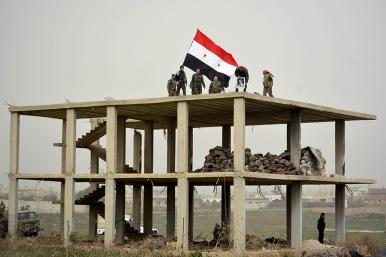
Changing of the Guard: New Iraqi Militia Trends and Responses
In the year since their most iconic leaders were killed, Iran-backed militias in Iraq have been changing in crucial ways, providing rich insights into how Baghdad and its international partners should approach them in 2021.
۱۹ ژانویه ۲۰۲۱
◆
  • Michael Knights
  • Hamdi Malik
  • Crispin Smith
Articles & Testimony
Biden Doesn’t Need to Rush Back into the Iran Nuclear Deal to Defuse Tensions
Less could be more when negotiating with Tehran.
۱۹ ژانویه ۲۰۲۱
◆
  • Dennis Ross
Iran's supreme leader, Ayatollah Ali Khamanei, gestures while speaking
تحلیل کوتاه
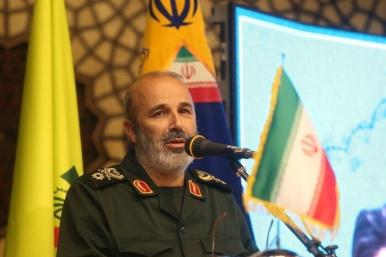
خامنه‌ای چارچوبی برای انتقام خون سلیمانی و بازگشت به مذاکرات ترسیم می‌کند
رهبر جمهوری اسلامی، علاوه بر اشاره ضمنی به اینکه ایران ممکن است چه زمانی (و به چه کسی) حمله کند و به رغم خاموش کردن اشتیاق روحانی به گفتگو، باب گفتگوهای احتمالی با دولت بایدن را باز گذاشت.
۱۸ ژانویهٔ ۲۰۲۱
◆
  • فرزین ندیمی
Brief Analysis
UAVs and the Abraham Accords: New Horizons for Sinai Peacekeeping
Replacing manned monitoring missions with drone sorties and inviting Gulf countries to participate would help improve security, reduce America’s burden and risk, decrease costs, and bolster the regional peace architecture.
۱۳ ژانویه ۲۰۲۱
◆
  • Assaf Orion
Brief Analysis
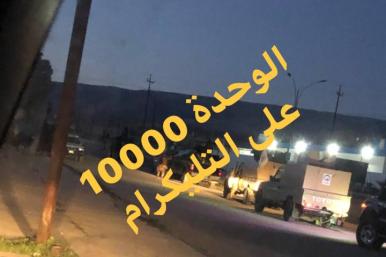
The U.S. Designation of Kataib Hezbollah’s Abu Fadak
The latest sanctions against a senior leader in the Iranian-backed terrorist militia are a reminder that such figures cannot slip onto the political spectrum merely by changing their job title.
۱۳ ژانویه ۲۰۲۱
◆
  • Michael Knights
Brief Analysis
New Iranian Bill Aims to Officialize a Policy of Avenging Soleimani and Destroying Israel
In addition to prohibiting any negotiations over Iran’s military power or regional ambitions, the legislation would oblige the government to work toward evicting the United States from the Middle East and destroying Israel within twenty years.
۱۲ ژانویه ۲۰۲۱
◆
  • Farzin Nadimi
تحلیل کوتاه
ایران برای نفوذ بیشتر در عراق با کمترین هزینه تلاش می‌کند
تهران قصد دارد از راه فروش تجهیزات نظامی و نسبتا ارزان خود به عراق، ارز خارجی کسب کند و اهرم‌های خود را در بغداد تنها با هزینه‌ای تقویت کند که بخش کوچکی از هزینه‌ای است که ایالات متحده در آنجا صرف می‌کند.
۱۲ ژانویهٔ ۲۰۲۱
◆
  • فرزین ندیمی
Brief Analysis
Leveraging U.S. Sanctions on Faleh al-Fayyad
The Biden administration should embrace the new sanctions against the civilian head of Iraq’s Popular Mobilization Forces, a decision that is supported by strong evidence of human rights abuses and can help hold other violators accountable.
۸ ژانویه ۲۰۲۱
◆
  • Michael Knights
Articles & Testimony
Russia Has the Edge in Managed Competition with Turkey
Although Moscow and Ankara are pursuing different aims in Syria, Libya, and the South Caucasus, they have managed to avoid direct confrontation.
۷ ژانویه ۲۰۲۱
◆
  • Anna Borshchevskaya
Brief Analysis
Enough Theory, European Strategic Autonomy Needs Practice in the Middle East
Libya, Iraq, and the Strait of Hormuz provide three test cases where greater assertiveness and transatlantic cooperation could go hand in hand, but only if European countries receive genuine U.S. support to step up their operational efforts and diplomatic engagement.
۶ ژانویه ۲۰۲۱
◆
  • Pierre Morcos
Articles & Testimony
Presidential Elections in the United States: Political and Economic Consequences for Europe
There is greater American bipartisan consensus on national security strategy than Washington’s fractious politics would indicate, creating ample room for transatlantic cooperation on that front.
December 2020
◆
  • Michael Singh
Brief Analysis
Al-Qaeda’s External Operations One Year After the Pensacola Attack
Drone campaigns have greatly culled the group’s leadership, but leaders are replaceable, and the guided-attack model seen in Pensacola could be a significant force multiplier for any locally rooted affiliates who seek to strike abroad in the coming years.
۱۱ دسامبر ۲۰۲۰
◆
  • Matthew Levitt
  • Aaron Y. Zelin
Articles & Testimony
Erdogan Will Play Biden, But Stick to Putin
The new U.S. administration will have a brief, early window to exert leverage, but Erdogan’s asymmetric relationship with Moscow may keep him from substantially altering Turkish policy on the S-400 dispute and regional issues.
۹ دسامبر ۲۰۲۰
◆
  • Soner Cagaptay
Articles & Testimony
The U.S. Should Take a Strategic View Towards Iraq
The country need not be a top foreign policy priority, but the Biden administration would be wise to invest in Iraqi security, unity, and democracy amid competition with Russia, China, and Iran.
۸ دسامبر ۲۰۲۰
◆
  • Anna Borshchevskaya
Russian president Vladimir Putin
Articles & Testimony
Russia’s Soft Power Projection in the Middle East
Moscow conducts far more soft-power activity in the region than one might suspect, using subversive and opaque versions of the same tools employed by the West.
۴ دسامبر ۲۰۲۰
◆
  • Anna Borshchevskaya
تحلیل کوتاه
قانون هسته‌ای جدید ایران: تاکتیکی برای مذاکره، ابزار سیاست داخلی، یا هر دو؟
قانون ظاهرا تحریک‌آمیز هسته‌ای جدید ایران با درنظر گرفتن نقش نسبتاً اندک مجلس در سیاست خارجی، به همان اندازه که واقعی است، نمایشی هم هست.
۳ دسامبر ۲۰۲۰
◆
  • مهدی خلجی
Articles & Testimony
Who Killed Mohsen Fakhrizadeh, Iran's Nuclear Chief? Israel Is the Likely Suspect
The operation’s professionalism and complexity suggest the involvement of Israeli personnel; either way, an Iranian security clampdown is inevitable.
۲۷ نوامبر ۲۰۲۰
◆
  • Simon Henderson

Pagination

  • Previous page ‹ Previous
  • First page « First
  • …
  • Page 44
  • Page 45
  • Page 46
  • Page 47
  • Current page 48
  • Page 49
  • Page 50
  • Page 51
  • Page 52
  • …
  • Last page Last »
  • Next page Next ›
Supported by the

Military and Security Studies Program

The Washington Institute's Military and Security Studies Program has established itself as an unrivaled source of reliable, incisive, and forward-looking analysis concerning several of the most critical national-security challenges facing the United States today: The U.S. military role in the Middle East, Iran's nuclear program and its proxy armies, the ongoing conflict is in Iraq, Lebanon, Syria, and Yemen, the regional proliferation of missiles and weapons of mass destruction, the security dimensions of the Arab-Israeli conflict, and many other security issues on the frontline of the U.S. policymaking agenda.

Sign Up for Email Updates from The Washington Institute

Never miss a breaking event on U.S. policy interests in the Middle East. Customize your subscription to our expert analysis, op-eds, live events, and special reports.


Sign up

Featured experts

Michael Eisenstadt
مایکل آیزنستات
مایکل آیزنستات هموند دیوید کان و داگلاس کان و مدیر برنامه مطالعات امنیتی و نظامی انستیو واشنگتن است.
Grant Rumley
گرانت راملی
گرانت راملی هموند ارشد انستیتو واشنگتن و مشاور سابق سیاست‌گذاری خاورمیانه در دفتر وزیر دفاع است.
Elizabeth Dent - source: The Washington Institute
Elizabeth Dent
Elizabeth Dent is the Nathan and Esther K. Wagner Senior Fellow at the Washington Institute for Near East Policy, where she focuses on U.S. foreign and defense policy toward the Gulf states, Iraq, and Syria.
Background image with TWI branding
logo
wordmark
Homepage

1111 19th Street NW - Suite 500
Washington D.C. 20036
Tel: 202-452-0650
Fax: 202-223-5364

Footer contact links

  • تماس
  • اتاق خبر
  • Subscribe

هدف انستیتو واشنگتن، تعمیق درکی متعادل و واقع‌بینانه از منافع آمریکا در خاورمیانه و نیز پیشبردِ سیاست‌هایی برای حفظ آن منافع است.

انستیتو واشنگتن یک سازمان غیرانتفاعی دارای مجوز 501(c)3 است که تمامی کمک‌های مالی به آن شامل معافیت مالیاتی خواهد شد.

Footer quick links

  • درباره انستیتو واشنگتن
  • پشتیبانی از انستیتو
  • Alumni

Social media

  • The Washington Institute on Facebook facebook
  • The Washington Institute on X x
  • The Washington Institute on YouTube youtube
  • The Washington Institute on LinkedIn linkedin

© 2025 کلیه حقوق محفوظ است

Footer

  • استخدام
  • حریم خصوصی
  • حقوق و مجوزها