TWI logo The Washington Institute for Near East Policy
logo
wordmark
Homepage

Main navigation

  • تحلیل‌ها
  • کارشناسان
  • درباره‌ما
  • پشتیبانی
  • نقشه و چند رسانه‌ای
مباحث روز :
  • نظامی و امنیتی
  • انرژی و اقتصاد
  • ایران
  • لبنان
  • کشورهای حاشیه‌خلیج فارس

منطقه‌ها و کشورها

  • اردن
  • اسرائیل
  • ایران
  • ترکیه
  • سوریه
  • شمال آفریقا
  • عراق
  • فلسطینی‌ها
  • لبنان
  • مصر
  • کشورهای حاشیه‌خلیج فارس

موضوع

  • انرژی و اقتصاد
  • تروریسم
  • خلیج و سیاست حوزه انرژی
  • دمکراسی و اصلاح
  • رقابت قدرت‌های بزرگ
  • روابط عرب و اسرائیل
  • سیاست آمریکا
  • عرب و اسلام سیاسی
  • فرایند صلح
  • منع اشاعه
  • نظامی و امنیتی
TWI English
TWI Arabic: اللغة العربية Fikra Forum

نظامی و امنیتی

Policy Analysis on نظامی و امنیتی

Filter by:

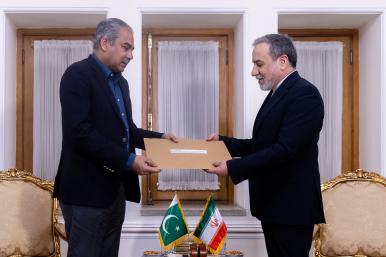
Vice President Vance arrives in Pakistan for talks with Iranian counterparts in April 2026 - source: Reuters
Video
Brief Analysis
Moving from War to Diplomacy: What’s Next for Iran, Lebanon, and Gaza?
Watch an expert conversation exploring what it will take to find diplomatic solutions to the intertwined challenges in multiple theaters across the Middle East, from Iran to Lebanon to Gaza.
۱۵ آوریل ۲۰۲۶
◆
  • Michael Herzog
  • Robert Satloff
  • Hanin Ghaddar
An Iranian woman walks by the scene of a U.S. airstrike in Tehran - source: Reuters
Video
Brief Analysis
In the Dark and in Danger: Iran’s Internet Shutdown and Wartime Repression
Human rights experts diagnose the current public mood in Iran and discuss how foreign governments can help counter the regime’s growing use of internet blackouts and other digital repression tools.
۱۰ آوریل ۲۰۲۶
◆
  • Mahsa Alimardani
  • Nazanin Boniadi
  • Roya Boroumand
A sign and barrier along the Israel-Lebanon border - source: Reuters
Brief Analysis
“Once and for All” Again? The Contours of Israel’s Latest Campaign in Lebanon
The military and diplomatic risks of reentering south Lebanon are weighty, but Israel can mitigate them by publicly clarifying its security objectives, pursuing a bilateral political horizon, focusing its military efforts, and (finally) holding officials in Beirut accountable.
۹ آوریل ۲۰۲۶
◆
  • Assaf Orion
Iraqi protesters display Iranian and Popular Mobilization Forces militia flags at a demonstration in Baghdad following the killing of Iranian Supreme Leader Khamenei - source: Reuters
Brief Analysis
Iraq Is at Another Crossroads with Iran-Backed Militias—and Washington
Although U.S. officials should keep pushing Baghdad to move against these groups, the Iran war has demonstrated the need to seek other avenues of pressure and recalibrate the bilateral relationship.
۸ آوریل ۲۰۲۶
◆
  • David Schenker
Armed members of the Iraqi Shiite militia Asaib Ahl al-Haq demonstrate at a funeral in Iraq - source: Reuters
Brief Analysis
What an “Iranian Proxies” Agreement Should Encompass
As wider peace negotiations continue, U.S. officials should carefully consider the many moving parts needed for a proxies deal to succeed—and what Washington would do if Tehran starts flagrantly violating its terms.
۶ آوریل ۲۰۲۶
◆
  • Michael Jacobson
A photo illustration depicts chess pieces and the Iranian and U.S. flags - source: Reuters
Video
Brief Analysis
Diplomacy During War: Priorities for the Trump Administration
Three former U.S. policy practitioners experienced in negotiating with Iran discuss what kind of agreement is possible, what each side may require to make it happen, and how officials in Washington, Israel, the Gulf states, and Europe should address emerging differences in their objectives.
۳ آوریل ۲۰۲۶
◆
  • Emily Harding
  • Richard Nephew
  • Michael Singh
  • Nancy A. Youssef
Photo of frozen Russian tanks in Ukraine.
Articles & Testimony
The War in Iran Could Become Like the War in Ukraine
Trump’s fifteen-point peace proposal suggests that he recognizes the need to find an off-ramp, but Washington must stay committed to that path to avoid a Russian-style quagmire.
۲۷ مارس ۲۰۲۶
◆
  • James Jeffrey
Gen. Mohammad Bagher Zolghadr - source: Wikimedia Commons
Brief Analysis
Zolghadr at the Top of Iranian Security
His appointment as SNSC secretary shows that the regime is relying on a veteran hardliner to manage the crisis and preserve control.
۲۶ مارس ۲۰۲۶
◆
  • Farzin Nadimi
USS Boxer leads U.S. Navy ships transiting the Strait of Hormuz - source: Department of Defense
Brief Analysis
Military Options for Reopening the Strait of Hormuz: Limitations and Imperatives
Loosening Tehran’s grip on the strait and its disruption of the global economy would entail not only reducing threats to navigation, but also increasing pressure on the Iranian economy in order to deter further attacks and create leverage for diplomacy.
۲۳ مارس ۲۰۲۶
◆
  • Michael Eisenstadt
  • Assaf Orion
Close-up photo of Chinese leader Xi and Russian leader Putin.
Video
Brief Analysis
Great Power Competition During (and After) the Iran War
Three experts examine how Moscow, Beijing, and European capitals are navigating the crisis and what their choices reveal about the future of the global order.
۱۹ مارس ۲۰۲۶
◆
  • Anna Borshchevskaya
  • Souhire Medini
  • Henry Tugendhat
  • Grant Rumley
The national flags of China and Iran fly in Tiananmen Square during Iranian President Ebrahim Raisi's visit to Beijing, China, February 14, 2023 - source: Reuters
Articles & Testimony
How China Could Shorten Iran’s Path to Military Recovery After the War
Beijing has been mostly talk and little walk so far, but once the war ends, it may decide to help Tehran rebuild militarily in return for oil.
۱۷ مارس ۲۰۲۶
◆
  • Assaf Orion
A video board displays various oil and gas commodity prices in September 2023 - source: Reuters
Brief Analysis
Defeating Iran’s Strategy: Energy Security and the “Abraham Shield”
Tehran is targeting the soft underbelly of the U.S.-Israeli campaign—the oil sector and vulnerable Middle Eastern states—but allied officials can counter this strategy by taking concerted steps to bolster their regional partners, stabilize oil markets, and suppress the regime's military capabilities.
۱۶ مارس ۲۰۲۶
◆
  • Assaf Orion
Articles & Testimony
Lebanon’s Failure to Disarm Hezbollah Comes With a Price
Through their continued unwillingness to take on the militia and break Iran’s hold over Lebanon, Beirut and the LAF have effectively chosen the more calamitous path of war with Israel.
۱۴ مارس ۲۰۲۶
◆
  • David Schenker
Photo showing Ukraine's President Zelensky greeting Saudi officials on the tarmac.
Brief Analysis
Washington Should Jump on Ukraine’s Outreach to the Middle East
By offering military expertise and technology to the Gulf states, Kyiv has given the U.S. government a unique opportunity to counter Iran and Russia while boosting the security of American partners and forces in the region.
۱۳ مارس ۲۰۲۶
◆
  • Anna Borshchevskaya
  • Matt Tavares
Israeli Iron Dome missiles intercept rockets fired into Israel from Gaza by Hamas in October 2023 - source: Reuters
Video
Brief Analysis
Countering Threats from Iran’s Proxies and Partners During Wartime
Three experts discuss how Hezbollah, the Yemeni Houthis, and pro-Iran militias in Iraq have reacted to the war so far, outlining steps Washington and its regional partners can take to keep them from escalating further.
۱۳ مارس ۲۰۲۶
◆
  • Hanin Ghaddar
  • April Longley Alley
  • Michael Knights
A satellite map with political borders overlaid shows Afghanistan, Iran, and Pakistan - source: Reuters
Brief Analysis
Examining the Terrorism and Insurgency Links Between AfPak and Iran
The two conflicts may appear unrelated, but an al-Qaeda haven in Iran, threats from the Islamic State, and separatist ambitions could supercharge the risks to regional and global security.
۱۲ مارس ۲۰۲۶
◆
  • Aaron Y. Zelin
Articles & Testimony
A Levant Without Militias?
For the first time, the region is on the path to sidelining militias and reaping the potential stabilization benefits, though significant obstacles remain.
۱۰ مارس ۲۰۲۶
◆
  • David Schenker
A map shows the routes of ships into and out of the Persian Gulf via the Strait of Hormuz - source: Reuters
Video
Brief Analysis
Energy and Shipping Risks in the Iran War
Four experts explain why reversing the conflict’s effects on oil and gas production and tanker traffic from the Gulf will likely take much longer than many people realize, with only limited supply alternatives in the meantime.
۹ مارس ۲۰۲۶
◆
  • Lauren Holtmeier
  • Matt Smith
  • Richard Nephew
  • Tomer Raanan
US Army troops board transport helicopters
Articles & Testimony
Alternative Security Models for Syria Amid U.S. Pullout
By using Syria’s newfound resources as a coalition member and negotiating military assignments at the U.S. embassy, the two governments could offset many of the concerns raised by the withdrawal of American combat units.
Mar 7, 2026
◆
  • James Jeffrey
Brief Analysis
Great Power Spillover from the Iran War: Implications for China, Russia, Turkey, and Europe
Washington Institute experts explain what U.S. officials and military planners should be on the lookout for as great power competitors and close allies outside the region consider their responses to the crisis.
۶ مارس ۲۰۲۶
◆
  • Grant Rumley
  • Henry Tugendhat
  • Anna Borshchevskaya
  • Soner Cagaptay
  • Souhire Medini

Pagination

  • Current page 1
  • Page 2
  • Page 3
  • Page 4
  • Page 5
  • Page 6
  • Page 7
  • Page 8
  • Page 9
  • …
  • Last page Last »
  • Next page Next ›
Supported by the

Military and Security Studies Program

The Washington Institute's Military and Security Studies Program has established itself as an unrivaled source of reliable, incisive, and forward-looking analysis concerning several of the most critical national-security challenges facing the United States today: The U.S. military role in the Middle East, Iran's nuclear program and its proxy armies, the ongoing conflict is in Iraq, Lebanon, Syria, and Yemen, the regional proliferation of missiles and weapons of mass destruction, the security dimensions of the Arab-Israeli conflict, and many other security issues on the frontline of the U.S. policymaking agenda.

Sign Up for Email Updates from The Washington Institute

Never miss a breaking event on U.S. policy interests in the Middle East. Customize your subscription to our expert analysis, op-eds, live events, and special reports.


Sign up

Featured experts

Michael Eisenstadt
مایکل آیزنستات
مایکل آیزنستات هموند دیوید کان و داگلاس کان و مدیر برنامه مطالعات امنیتی و نظامی انستیو واشنگتن است.
Grant Rumley
گرانت راملی
گرانت راملی هموند ارشد انستیتو واشنگتن و مشاور سابق سیاست‌گذاری خاورمیانه در دفتر وزیر دفاع است.
Elizabeth Dent - source: The Washington Institute
Elizabeth Dent
Elizabeth Dent is the Nathan and Esther K. Wagner Senior Fellow at the Washington Institute for Near East Policy, where she focuses on U.S. foreign and defense policy toward the Gulf states, Iraq, and Syria.
Background image with TWI branding
logo
wordmark
Homepage

1111 19th Street NW - Suite 500
Washington D.C. 20036
Tel: 202-452-0650
Fax: 202-223-5364

Footer contact links

  • تماس
  • اتاق خبر
  • Subscribe

هدف انستیتو واشنگتن، تعمیق درکی متعادل و واقع‌بینانه از منافع آمریکا در خاورمیانه و نیز پیشبردِ سیاست‌هایی برای حفظ آن منافع است.

انستیتو واشنگتن یک سازمان غیرانتفاعی دارای مجوز 501(c)3 است که تمامی کمک‌های مالی به آن شامل معافیت مالیاتی خواهد شد.

Footer quick links

  • درباره انستیتو واشنگتن
  • پشتیبانی از انستیتو
  • Alumni

Social media

  • The Washington Institute on Facebook facebook
  • The Washington Institute on X x
  • The Washington Institute on YouTube youtube
  • The Washington Institute on LinkedIn linkedin

© 2026 کلیه حقوق محفوظ است

Footer

  • استخدام
  • حریم خصوصی
  • حقوق و مجوزها