


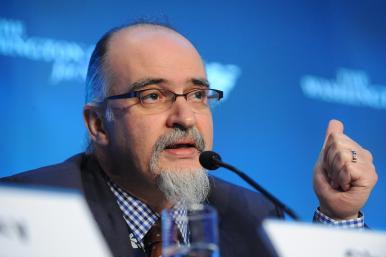
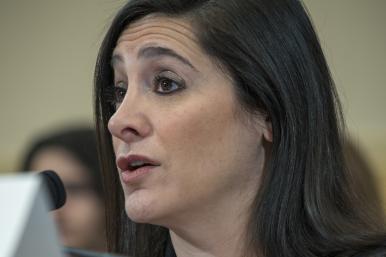
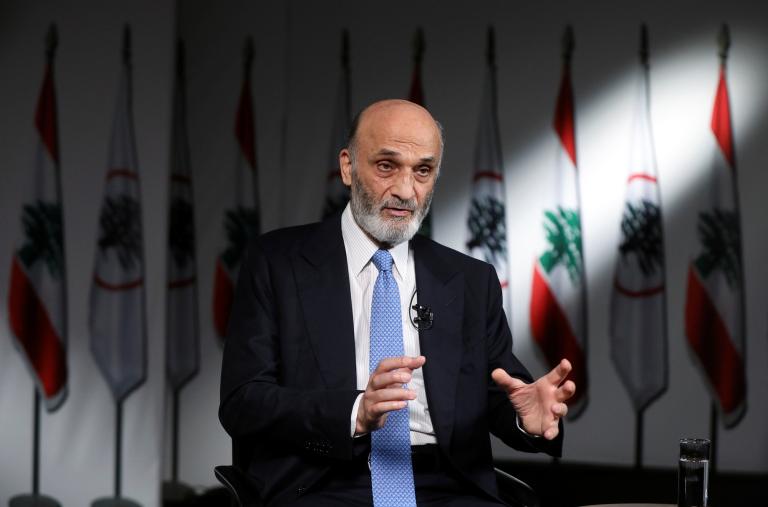



Join us for an expert look at Israel's crucial parliamentary elections featuring Gili Cohen, David Makovsky, Dennis Ross, and Felicia Schwartz. Watch live starting at 2:30 p.m. EDT (830 GMT) on Wednesday, October 28, 2026.
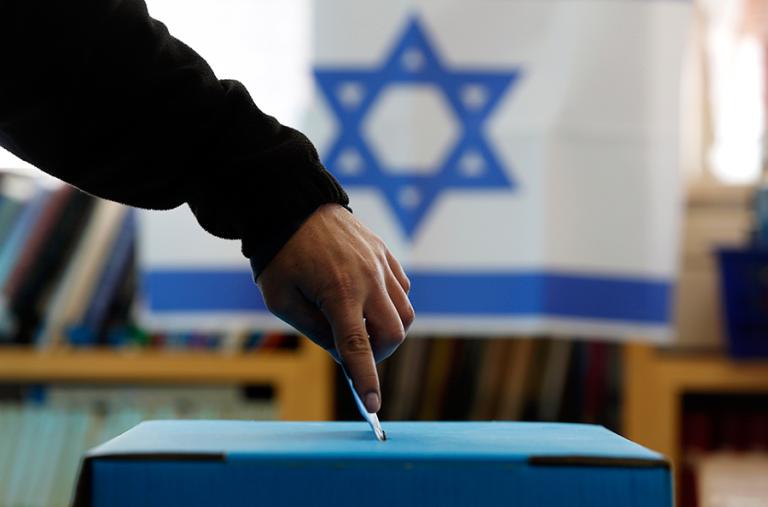
As Israelis get ready to go to the polls on October 27, here are three things former State Department peace negotiator David Makovsky is watching, including whether President Trump’s endorsement of Israeli Prime Minister Netanyahu moves the needle.
Watch an expert conversation previewing Israel's historic October 27 elections.
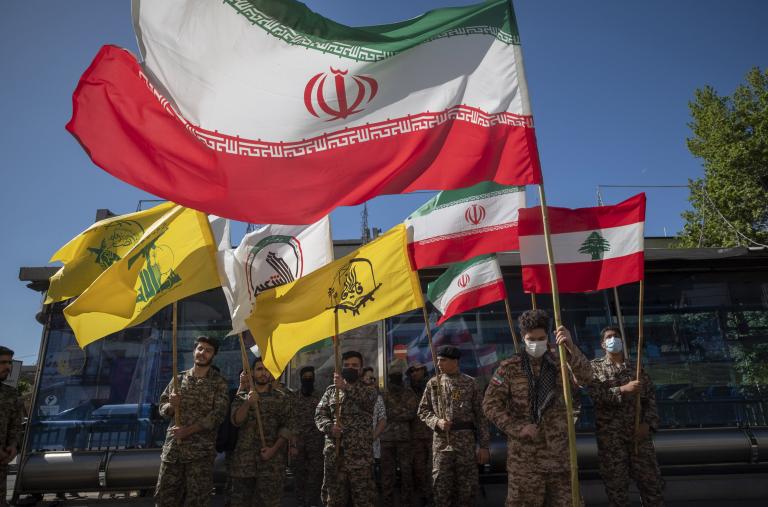
Explore this new interactive tool to shed light on the actions of actors such as Iran and Yemen's Houthis that have threatened and attacked commercial shipping in the waters off the Middle East and North Africa.