Skip to main content
The Washington Institute for Near East Policy
Menu
Toggle Main Menu
Homepage
Main navigation
Analysis
Experts
About
Support
Maps & Multimedia
Trending:
Terrorism
Great Power Competition
Iran
Lebanon
Gulf States
Toggle List of
All Regions & Issues
Regions & Countries
Egypt
Gulf States
Iran
Iraq
Israel
Jordan
Lebanon
North Africa
Palestinians
Syria
Turkey
Issues
Arab & Islamic Politics
Arab-Israeli Relations
Democracy & Reform
Energy & Economics
Great Power Competition
Gulf & Energy Policy
Military & Security
Peace Process
Proliferation
Terrorism
U.S. Policy
Close List of All Regions and Issues
Close
Search Policy Analysis
TWI English
TWI Arabic:
اللغة العربية
Fikra Forum
Close Menu
Close
Search Policy Analysis
Search
Breadcrumb
Policy Analysis
All Policy Analysis by David Schenker
Filter by:
Keyword
Region
- Any -
Egypt
Gulf States
Iran
Iraq
Israel
Jordan
Lebanon
North Africa
Palestinians
Syria
Turkey
Issue
- Any -
Arab & Islamic Politics
Arab-Israeli Relations
Democracy & Reform
Energy & Economics
Great Power Competition
Gulf & Energy Policy
Military & Security
Peace Process
Proliferation
Terrorism
U.S. Policy
Date Published
- Any -
Past 7 Days
Past 30 Days
Past Year
Custom range...
Start date
End date
Type
- Any -
Articles & Testimony
Brief Analysis
In-Depth Reports
Sort by
Oldest first
Newest first
Found
731
results
Articles & Testimony
Western Sahara Embraces Morocco
Although recent elections in the long-disputed territory delivered a resounding message of support for Moroccan dominion, Algeria still seems bent on imposing independence.
Oct 15, 2026
◆
David Schenker
Video
Brief Analysis
A Conversation with Samir Geagea:
How to End Lebanon’s Cycle of War and Build a Sovereign State
A major Lebanese political leader explains why Beirut’s exaggerated fears of “civil war” with Hezbollah are no excuse for stalling efforts to confront the group and its Iranian patron.
Oct 7, 2026
◆
Samir Geagea
David Schenker
Hanin Ghaddar
Robert Satloff
Brief Analysis
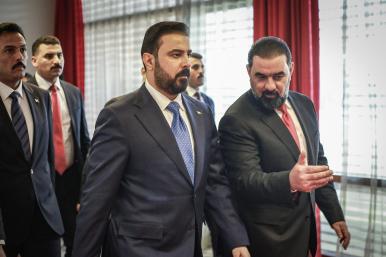
Iraq’s Militia Balancing Act Gets Trickier Amid Deadlines and Saudi Attacks
As the September 30 disarmament deadline for PMF militias approaches, Washington should support the Zaidi government’s efforts and ensure that the militias’ concessions are real.
Sep 18, 2026
◆
David Schenker
Articles & Testimony
Jordan’s Strategic Importance to Washington Increases
Given the heavy damage inflicted on more vulnerable facilities closer to Iran, Jordan has emerged as perhaps the most critical center for America’s regional military activities for the current crisis and beyond.
Sep 17, 2026
◆
David Schenker
Articles & Testimony
Why US Aid to the Lebanese Armed Forces Should Come with Conditions
Given the lack of Lebanese political will on display so far, the Trump administration and Congress need to take a tough-love approach.
Sep 9, 2026
◆
David Schenker
Articles & Testimony
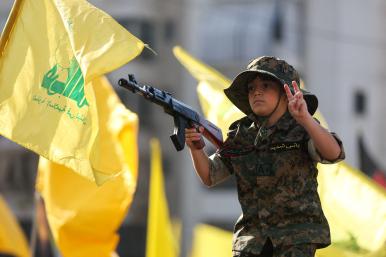
Hezbollah’s Summer Camps for Junior Jihadis Pose a Mortal Threat to Peace
Washington and Beirut have made significant strides toward curtailing Hezbollah’s military arsenal, but dismantling the group’s “aspiring martyr” pipeline is no less important.
Aug 6, 2026
◆
David Schenker
Articles & Testimony
Mr. Al-Zaidi Goes to Washington
Despite significant progress, Iraq still has a long way to go to meet the Trump administration’s expectations for reining in Iranian influence.
Jul 13, 2026
◆
David Schenker
Articles & Testimony
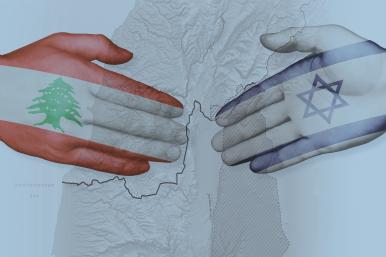
Abolishing Lebanon’s ‘Anti-Normalization’ Laws: A Prerequisite for Peace
Recent Lebanese media engagement with Israelis is a welcome sign, but U.S. mediators should let this organic trend gain momentum for the time being rather than pressuring Beirut to make immediate legislative changes.
Jul 1, 2026
◆
David Schenker
Articles & Testimony
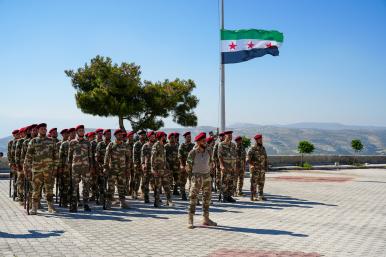
Why Siccing Syria’s Army on Hezbollah Is So Dangerous
The potential upsides of implementing the Trump administration’s poorly conceived idea are negligible at best, while the downsides would be legion, including further damage to Middle East stability and American interests.
Jun 28, 2026
◆
David Schenker
Video
Brief Analysis
Israel-Lebanon Talks, Round 4: The Pentagon Takes a Seat
U.S. and Israeli experts discuss the potential obstacles to progress in upcoming rounds of negotiations, and explain why keeping the Lebanon track separate from the Iran talks would be wise.
May 29, 2026
◆
David Schenker
Assaf Orion
Hanin Ghaddar
Brief Analysis
Tempering U.S. Expectations About Iraq’s New Government
Tehran seems just as enthusiastic about the new prime minister as Washington—a telling sign that the militia-dominated status quo in Baghdad will be difficult and slow to change, if it changes at all.
May 28, 2026
◆
David Schenker
Articles & Testimony
Is Egypt the Biggest Loser of the Iran War?
Cairo’s economic mismanagement has increased the country’s reliance on Gulf largesse, but that spigot may soon run dry for diplomatic and financial reasons.
May 18, 2026
◆
David Schenker
Articles & Testimony
Round 2: Lebanon-Israel Talks Inch Forward
Given Hezbollah coup threats, Beirut may seek to proceed incrementally toward establishing a state monopoly on weapons, but Washington and Israel will expect quicker results this time.
Apr 23, 2026
◆
David Schenker
Brief Analysis
Jordan’s Wartime Balancing Act
The economic, political, and diplomatic fallout of the Iran crisis is bending the kingdom in multiple directions, but Washington can do much to ease the domestic stress, avoid bilateral friction, and address Amman’s growing rift with Israel.
Apr 15, 2026
◆
Ghaith al-Omari
David Schenker
Brief Analysis
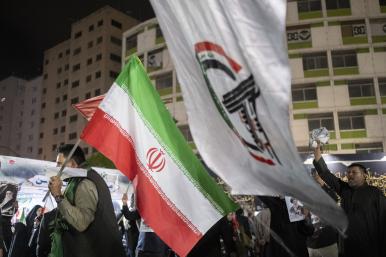
Iraq Is at Another Crossroads with Iran-Backed Militias—and Washington
Although U.S. officials should keep pushing Baghdad to move against these groups, the Iran war has demonstrated the need to seek other avenues of pressure and recalibrate the bilateral relationship.
Apr 8, 2026
◆
David Schenker
Articles & Testimony
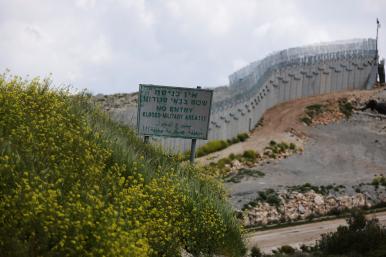
Lebanon’s Failure to Disarm Hezbollah Comes With a Price
Through their continued unwillingness to take on the militia and break Iran’s hold over Lebanon, Beirut and the LAF have effectively chosen the more calamitous path of war with Israel.
Mar 14, 2026
◆
David Schenker
Articles & Testimony
A Levant Without Militias?
For the first time, the region is on the path to sidelining militias and reaping the potential stabilization benefits, though significant obstacles remain.
Mar 10, 2026
◆
David Schenker
Articles & Testimony
On the Paris Conference to Support the Lebanese Army
The international community has held nearly a dozen donor conferences to support Lebanon’s insolvent military and economy, but they all failed, largely because the country has not made the hard decisions necessary to help itself.
Feb 27, 2026
◆
David Schenker
Video
Articles & Testimony
In Lebanon, Pushing the Ball Forward Before the May Election
Without electoral law modifications, sanctions against pro-Hezbollah elites, prosecutions for long-delayed cases like the port explosion, and other urgent measures, the group and its allies could wind up regaining their grip in Lebanon during the next round of nationwide voting.
Feb 3, 2026
◆
David Schenker
Articles & Testimony
Prospects for Syria-Israel Relations
Israel may believe the tense status quo is sustainable, but Washington is frustrated about the potential implications for Arab normalization, Turkish military friction, and near-term economic plans.
January 2026
◆
David Schenker
Pagination
Current page
1
Page
2
Page
3
Page
4
Page
5
Page
6
Page
7
Page
8
Page
9
…
Last page
Last »
Next page
››