Skip to main content
The Washington Institute for Near East Policy
Menu
Toggle Main Menu
Homepage
Main navigation
تحلیلها
کارشناسان
دربارهما
پشتیبانی
نقشه و چند رسانهای
مباحث روز :
تروریسم
رقابت قدرتهای بزرگ
ایران
لبنان
کشورهای حاشیهخلیج فارس
Toggle List of
منطقهها
منطقهها و کشورها
اردن
اسرائیل
ایران
ترکیه
سوریه
شمال آفریقا
عراق
فلسطینیها
لبنان
مصر
کشورهای حاشیهخلیج فارس
موضوع
انرژی و اقتصاد
تروریسم
خلیج و سیاست حوزه انرژی
دمکراسی و اصلاح
رقابت قدرتهای بزرگ
روابط عرب و اسرائیل
سیاست آمریکا
عرب و اسلام سیاسی
فرایند صلح
منع اشاعه
نظامی و امنیتی
Close List of All Regions and Issues
Close
Search Policy Analysis
TWI English
TWI Arabic:
اللغة العربية
Fikra Forum
Close Menu
Close
Search Policy Analysis
جستجو
Policy Analysis
Filter by:
Keyword
Region
- Any -
مصر
کشورهای حاشیهخلیج فارس
ایران
عراق
اسرائیل
اردن
لبنان
شمال آفریقا
فلسطینیها
سوریه
ترکیه
Issue
- Any -
عرب و اسلام سیاسی
روابط عرب و اسرائیل
دمکراسی و اصلاح
انرژی و اقتصاد
رقابت قدرتهای بزرگ
خلیج و سیاست حوزه انرژی
نظامی و امنیتی
فرایند صلح
منع اشاعه
تروریسم
سیاست آمریکا
Media type
- Any -
شنیداری
نقشه و نمودار
چندرسانهای
ویدئو
تاریخ انتشار
- Any -
Past 7 Days
Past 30 Days
Past Year
Custom range...
Start date
End date
Type
- Any -
مقالهها و دیدگاهها
تحلیل کوتاه
گزارشهای تفصیلی
Sort by
Oldest first
Newest first
Found
12173
results
Articles & Testimony
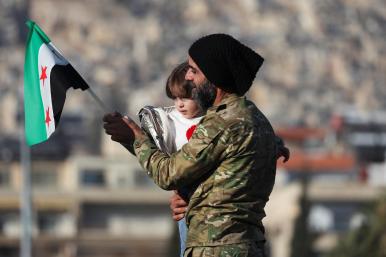
A Visit to a Syria Reborn
The author’s return to a post-Assad Syria revealed grounds for hope—but also sobering reminders of how far the country has to go in shoring up its economy, governance, and internal security.
۱۷ اوت ۲۰۲۶
◆
Anna Borshchevskaya
Articles & Testimony
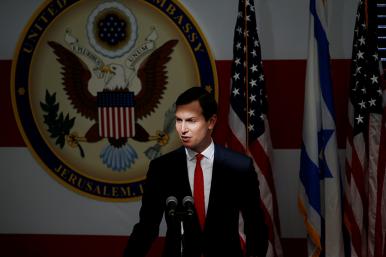
Can Jared Kushner Get Hamas Disarmament Moving?
The success of his latest trip should be measured by whether he can expedite preparations for practical issues like policing and weapons collection so that the Gaza transition plan remains viable after Israel’s election.
۱۵ اوت ۲۰۲۶
◆
David Makovsky
Brief Analysis
Israel and Lebanon’s Hesitant Steps on the Long Road to Peace
The more the LAF demonstrates it can enforce state authority in disarming Hezbollah, the less Israel will be compelled to continue its operations, and the more it will be inclined to gradually withdraw—though neither side can succeed without sustained U.S. leadership, a clear verification mechanism, and appropriate limits on international involvement.
۱۲ اوت ۲۰۲۶
◆
Assaf Orion
Fikra Forum
Fikra Forum
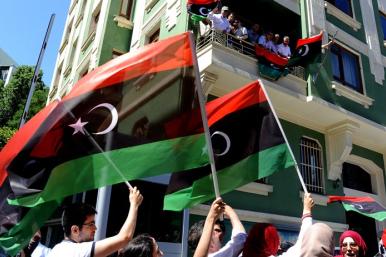
The Erosion of Public Trust in Libya's International Unification Efforts
Libyans are increasingly questioning where governance reforms fit into the agendas of Libyan elites' engagement with the parallel UNSMIL 2025 roadmap and Boulos initiative.
۱۰ اوت ۲۰۲۶
◆
Tahani Elmogrbi
Articles & Testimony
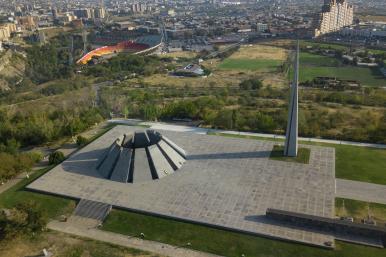
Why Israel’s Government Voted to Recognize the Armenian Genocide
The breakdown in Israeli relations with Turkey did not eliminate Jerusalem’s obstacle to recognizing the Armenian genocide; that hesitation has merely been shifted to Azerbaijan.
August 2026
◆
Scott Abramson
Brief Analysis
Hamas Accepts the Gaza Roadmap: Political Breakthrough, Implementation Uncertainty
Despite the group’s assent, major gaps remain with Israel over sequencing, disarmament, and oversight, casting doubt on the agreement’s feasibility.
۷ اوت ۲۰۲۶
◆
Neomi Neumann
Brief Analysis
What the Next Iran Deal Can Learn from the JPOA
The June MOU and the 2013 JPOA are not perfect analogues, but the deliberately limited terms and careful specificity of the latter agreement hold prudent lessons for both Washington and Tehran as they contemplate a potential new round of direct negotiations.
۷ اوت ۲۰۲۶
◆
Richard Nephew
Brief Analysis
The UK, Turkey, and Europe Must Do More to Dismantle Hamas Financial Networks
Despite recent high-profile arrests, transatlantic authorities won’t be able to meet their longer-term goals of stabilizing and rebuilding Gaza unless they take broader action against still-rampant Hamas fundraising.
۶ اوت ۲۰۲۶
◆
Michael Jacobson
Matthew Levitt
Articles & Testimony
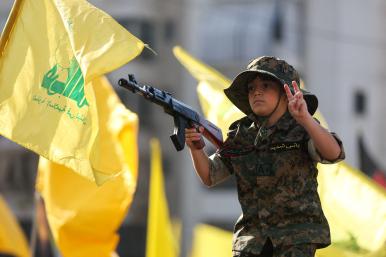
Hezbollah’s Summer Camps for Junior Jihadis Pose a Mortal Threat to Peace
Washington and Beirut have made significant strides toward curtailing Hezbollah’s military arsenal, but dismantling the group’s “aspiring martyr” pipeline is no less important.
۶ اوت ۲۰۲۶
◆
David Schenker
Maps & Graphics
Brief Analysis
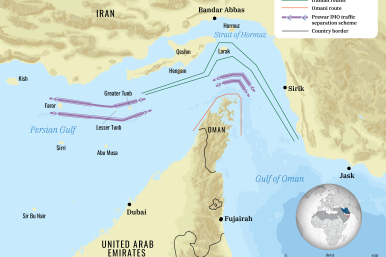
Reaching Viable Management Arrangements in the Strait of Hormuz
Any postwar system must preserve the “transit passage” regime, enable ships to safely resume use of the original IMO route, and reject mandatory fees, veto rights, or other Iranian tactics for exerting permanent control over one of the world’s most critical energy chokepoints.
۵ اوت ۲۰۲۶
◆
Noam Raydan
Farzin Nadimi
Articles & Testimony
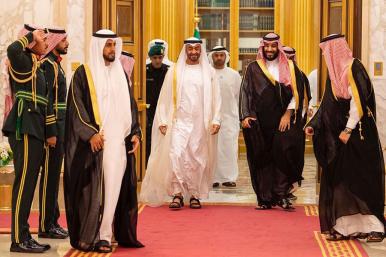
A Saudi-Emirati Thaw Can Help Contain Iran
The Gulf needs a joint front on deterrence, engagement, and freedom of navigation.
۳ اوت ۲۰۲۶
◆
Allison Minor
April Longley Alley
Brief Analysis
Bridging the Verification Gap on PA Prisoner Payments
Amid mounting economic and security pressures in the West Bank, only a U.S.-led mechanism can credibly determine Palestinian compliance with the Taylor Force Act and help promote wider stability.
۳ اوت ۲۰۲۶
◆
David Makovsky
Nava Goldstein
Articles & Testimony
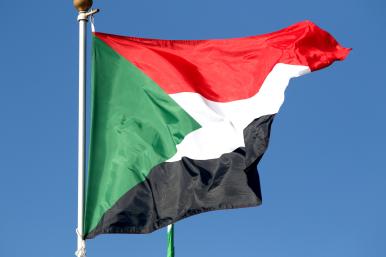
What New U.S. Sanctions Mean for the Sudan Civil War
A determination that the Sudanese government used chemical weapons likely will not alter the military balance, but it does create a record that activists, human rights advocates, and any future civilian government can ultimately draw upon in pursuing accountability.
۳۱ ژوئیه ۲۰۲۶
◆
Areig Elhag
Brief Analysis
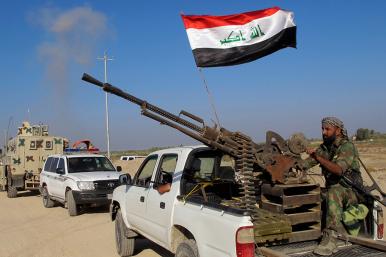
How to Prevent Militias from Disrupting Iraqi-Saudi Relations
As the dust settles from new attacks in both countries, Baghdad will need U.S. support to make progress against Iran-backed militias while assuaging Riyadh’s security concerns.
۳۰ ژوئیه ۲۰۲۶
◆
Michael Knights
Brief Analysis
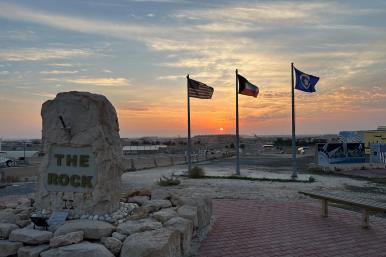
Kuwait and the Future of U.S. Power Projection
Given the country’s difficult experience during the Iran war, Washington should offer sustained political attention, practical assistance, and an expanded vision for the partnership’s future.
۲۸ ژوئیه ۲۰۲۶
◆
Elizabeth Dent
Brief Analysis
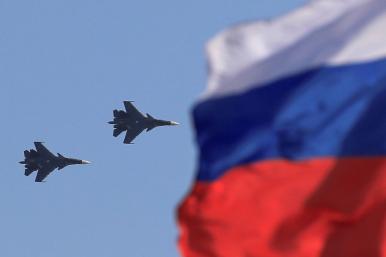
Russia Is Not Leaving Syria
While it no longer enjoys primacy in Damascus, the Kremlin has proven itself able to adapt to the new reality, and Washington must play the long game in response.
۲۷ ژوئیه ۲۰۲۶
◆
Anna Borshchevskaya
Articles & Testimony
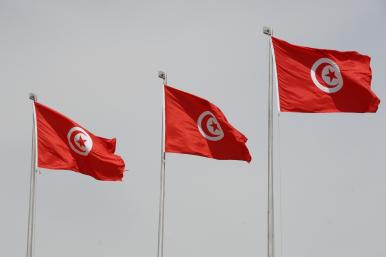
Five Years After Saied’s Power Grab, Tunisia Is Isolated and Unmoored
Even as the country's president shuns outside support, Western actors can use creative methods to engage reformers, support the Tunisian economy, and prevent instability.
۲۷ ژوئیه ۲۰۲۶
◆
Sabina Henneberg
Sarah Yerkes
Articles & Testimony
Lindsey Graham’s Last Gift to the U.S.-Israel Alliance
A White House meeting facilitated by the senator’s funeral could let Trump and Netanyahu avoid the appearance of a wartime rift.
۲۵ ژوئیه ۲۰۲۶
◆
David Makovsky
Video
Brief Analysis
Palestinian Elections: Renewal or More of the Same?
Former officials and advisors discuss the newly announced Palestinian legislative elections in light of Hamas’s leadership change, Israel’s political imperatives, growing violence in the West Bank, and the prospects for jump-starting the Trump administration’s stalled transition plan in Gaza.
۲۴ ژوئیه ۲۰۲۶
◆
Neomi Neumann
Ibrahim Dalalsha
Ghaith al-Omari
Brief Analysis
Changing Iran’s Coercive Calculus Requires More Than Massing U.S. Forces
Regardless of where the current round of escalation goes, Tehran will continue using ceasefires, front-loaded sanctions waivers, and tit-for-tat attack cycles as opportunities to reconstitute its forces until Washington imposes hard, verifiable limits on its fastest-recovering asymmetric capabilities.
۲۴ ژوئیه ۲۰۲۶
◆
Farzin Nadimi
Pagination
Previous page
‹‹
First page
« First
Page
1
Current page
2
Page
3
Page
4
Page
5
Page
6
Page
7
Page
8
Page
9
…
Last page
Last »
Next page
››