Skip to main content
The Washington Institute for Near East Policy
Menu
Toggle Main Menu
Homepage
Main navigation
تحلیلها
کارشناسان
دربارهما
پشتیبانی
نقشه و چند رسانهای
مباحث روز :
تروریسم
رقابت قدرتهای بزرگ
ایران
لبنان
کشورهای حاشیهخلیج فارس
Toggle List of
منطقهها
منطقهها و کشورها
اردن
اسرائیل
ایران
ترکیه
سوریه
شمال آفریقا
عراق
فلسطینیها
لبنان
مصر
کشورهای حاشیهخلیج فارس
موضوع
انرژی و اقتصاد
تروریسم
خلیج و سیاست حوزه انرژی
دمکراسی و اصلاح
رقابت قدرتهای بزرگ
روابط عرب و اسرائیل
سیاست آمریکا
عرب و اسلام سیاسی
فرایند صلح
منع اشاعه
نظامی و امنیتی
Close List of All Regions and Issues
Close
Search Policy Analysis
TWI English
TWI Arabic:
اللغة العربية
Fikra Forum
Close Menu
Close
Search Policy Analysis
جستجو
Policy Analysis
Filter by:
Keyword
Region
- Any -
مصر
کشورهای حاشیهخلیج فارس
ایران
عراق
اسرائیل
اردن
لبنان
شمال آفریقا
فلسطینیها
سوریه
ترکیه
Issue
- Any -
عرب و اسلام سیاسی
روابط عرب و اسرائیل
دمکراسی و اصلاح
انرژی و اقتصاد
رقابت قدرتهای بزرگ
خلیج و سیاست حوزه انرژی
نظامی و امنیتی
فرایند صلح
منع اشاعه
تروریسم
سیاست آمریکا
Media type
- Any -
شنیداری
نقشه و نمودار
چندرسانهای
ویدئو
تاریخ انتشار
- Any -
Past 7 Days
Past 30 Days
Past Year
Custom range...
Start date
End date
Type
- Any -
مقالهها و دیدگاهها
تحلیل کوتاه
گزارشهای تفصیلی
Sort by
Oldest first
Newest first
Found
12192
results
Articles & Testimony
The Fate of Global Jihadism Today: Internally Resilient, Strategically Deprioritized
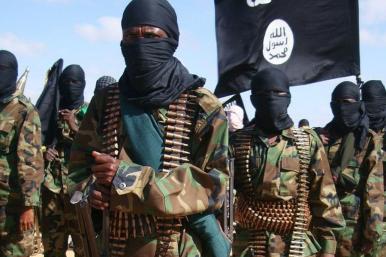
Although America’s defensive and preventive mechanisms are much stronger today, the global jihadist situation in 2026 is uncomfortably similar to the 1990s, when the movement was treated as a manageable nuisance even as it quietly consolidated sanctuaries, built financial autonomy, and experimented with new methods of attack.
September 2026
◆
Aaron Y. Zelin
Articles & Testimony
The Looming Terrorist Threats to America
Faced with brain drain, ideological distortion, and a wavering strategic focus, U.S. counterterrorism officials are being asked to do more with less today than their predecessors post-9/11.
۸ سپتامبر ۲۰۲۶
◆
Matthew Levitt
Brief Analysis
Saudi AI Ambitions Create a U.S. Opening
Given the kingdom’s simultaneous push for more technological autonomy and more American business deals, Washington should seek deeper—but conditional—cooperation that is closely tied to the broader strategic partnership.
۴ سپتامبر ۲۰۲۶
◆
Elizabeth Dent
Brief Analysis
Morocco’s Election Highlights Lingering Protest Grievances
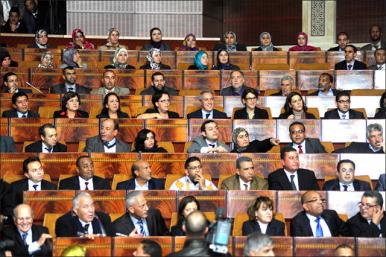
Although the outcome is unlikely to affect core U.S. policy issues such as the Western Sahara dispute and Morocco’s participation in Gaza peacekeeping efforts, Washington should remain vigilant about the potential political impact of widespread disaffection, especially among the kingdom’s younger generations.
۳ سپتامبر ۲۰۲۶
◆
Sabina Henneberg
Salma Annasse
Articles & Testimony
China Isn’t Scared of Trump’s Squeeze on Iran
U.S. officials have demurred when asked about targeting Tehran’s most crucial Chinese lifelines, and Beijing has plenty of trade and export leverage to continue deterring Washington.
۳ سپتامبر ۲۰۲۶
◆
Henry Tugendhat
Grant Rumley
Articles & Testimony
The Case for a Stalemate With Iran
America can win if it maintains the blockade on Iran while gradually increasing pressure; the challenge is to ensure that Tehran doesn’t respond by starting another region-wide conflict.
۳ سپتامبر ۲۰۲۶
◆
James Jeffrey
Brief Analysis
Following Up on the First Warning Shot in Operation Economic Outcast
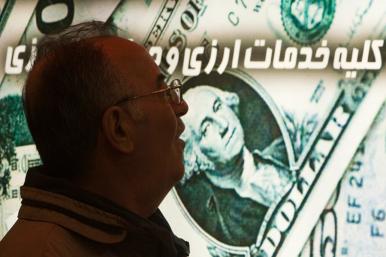
Targeting a UAE-based bank with a serious but time-delayed action could have beneficial cautionary effects—though the wider problem of illicit Iranian financing in the Emirates will require a more concerted and lengthy Treasury Department campaign.
۱ سپتامبر ۲۰۲۶
◆
Michael Jacobson
Brief Analysis
Xi’s Carefully Calibrated Egypt Trip
The visit will probably confirm the growth trend in Egypt and China’s economic, technological, and perhaps even defense relations, though Cairo is unlikely to get the help it wants on regional security threats posed by Iran and the Houthis.
۱ سپتامبر ۲۰۲۶
◆
Shivane Anand
Grant Rumley
Articles & Testimony
Managing the Muhajirin: The Future of Syria’s Foreign Fighters
Congress has sought to condition U.S. support on fighter headcounts, but this approach alone won’t address the threats that are actually materializing in post-Assad Syria—in fact, it may wind up repeating mistakes made with past jihadist mobilizations.
August 2026
◆
Aaron Y. Zelin
Brief Analysis
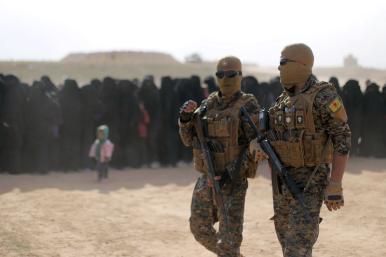
After the SDF: What Comes Next for Northeast Syria and U.S. Policy
If done astutely, absorbing SDF personnel into the central government can preserve years of U.S. relationship-building and institutional knowledge while giving Washington a unique channel to build trust with Damascus.
۳۱ اوت ۲۰۲۶
◆
Devorah Margolin
Andrew J. Tabler
Articles & Testimony
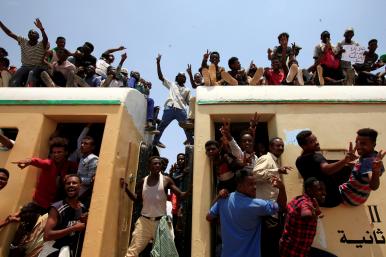
Who Gets to Shape Sudan’s Political Future?
As the army, the RSF, and civilian forces debate this question, the international Quintet faces growing obstacles to building an inclusive political process.
Aug 26, 2026
◆
Areig Elhag
Brief Analysis
Assad’s Speech Laws Are Putting Syria’s Security and Reconstruction at Risk
With Assad-era laws increasingly triggered by private complaints and enforced unevenly, U.S. officials can no longer relegate these issues to secondary tracks or assume that core administration objectives will remain unaffected.
۲۸ اوت ۲۰۲۶
◆
Aaron Y. Zelin
Maps & Graphics
Brief Analysis
Helping the Gulf and Ukraine Build Their Counter-Drone Partnership
Ukrainian cooperation with Gulf states on drone and counter-drone technologies is expanding as they contend with similar threats and concerns, so Washington should do whatever it can to enable and coordinate this growth.
۲۸ اوت ۲۰۲۶
◆
Elizabeth Dent
Matthew Tavares
Brief Analysis
Shutting Iran’s Emirati Back Door to Banks and Supply Chains
In launching its newly announced “Operation Economic Outcast,” the Trump administration’s primary beachhead should be the UAE, which has signaled a shift in the right direction but will need targeted U.S. help with cutting off illicit Iranian transactions.
۲۴ اوت ۲۰۲۶
◆
Matthew Levitt
Maya Chaovat
Articles & Testimony
Libya Needs Elections, Not Another Leadership Selection
Libyans are fed up with temporary solutions, but Washington’s current approach is structured to be just that—another transitional phase that lets political elites keep postponing elections and reform.
۲۱ اوت ۲۰۲۶
◆
Ben Fishman
Maps & Graphics
In-Depth Reports
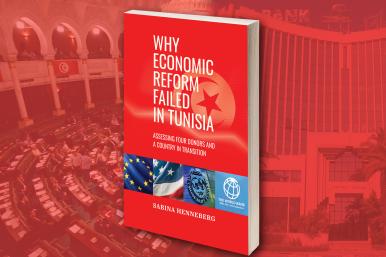
Why Economic Reform Failed in Tunisia:
Assessing Four Donors and a Country in Transition
International actors, while expressing confidence in the country’s political progress, struggled to adapt to economic resistance from the national labor union, the destabilizing effects of terrorism, and interference from outside actors.
۱۹ اوت ۲۰۲۶
◆
Sabina Henneberg
Fikra Forum
Fikra Forum
The Other Phosphate: What Washington’s Moroccan Fertilizer Waiver Overlooks
The United States eased its fertilizer restrictions on the kingdom to manage a supply emergency, but Morocco could also become a key source of purified phosphoric acid—a crucial product tied to growing competition with China over battery production, supply chain integrity, and access to critical minerals.
۱۸ اوت ۲۰۲۶
◆
Salma Annasse
Maps & Graphics
Brief Analysis
Five Years of Taliban Diplomacy: Recognition Without Concessions
The Taliban has learned that it can reap substantial international rewards without budging on key security and human rights issues, but Washington can still exert pressure on crucial soft spots such as UN credentialing, Treasury Department licensing, and Central Asian project financing.
۱۸ اوت ۲۰۲۶
◆
Aaron Y. Zelin
Articles & Testimony
Despite Pipeline Talks, Hormuz Will Remain Key to Iraq’s Oil Exports
Iraqi sales to Asian markets rely heavily on the strait, and efforts to establish viable alternative routes would have to overcome considerable logistical challenges—not to mention Baghdad’s bad track record with pipelines.
۱۸ اوت ۲۰۲۶
◆
Noam Raydan
Articles & Testimony
A Visit to a Syria Reborn
The author’s return to a post-Assad Syria revealed grounds for hope—but also sobering reminders of how far the country has to go in shoring up its economy, governance, and internal security.
۱۷ اوت ۲۰۲۶
◆
Anna Borshchevskaya
Pagination
Previous page
‹‹
First page
« First
Page
1
Current page
2
Page
3
Page
4
Page
5
Page
6
Page
7
Page
8
Page
9
…
Last page
Last »
Next page
››