Skip to main content
The Washington Institute for Near East Policy
Menu
Toggle Main Menu
Homepage
Main navigation
تحلیلها
کارشناسان
دربارهما
پشتیبانی
نقشه و چند رسانهای
مباحث روز :
تروریسم
رقابت قدرتهای بزرگ
ایران
لبنان
کشورهای حاشیهخلیج فارس
Toggle List of
منطقهها
منطقهها و کشورها
اردن
اسرائیل
ایران
ترکیه
سوریه
شمال آفریقا
عراق
فلسطینیها
لبنان
مصر
کشورهای حاشیهخلیج فارس
موضوع
انرژی و اقتصاد
تروریسم
خلیج و سیاست حوزه انرژی
دمکراسی و اصلاح
رقابت قدرتهای بزرگ
روابط عرب و اسرائیل
سیاست آمریکا
عرب و اسلام سیاسی
فرایند صلح
منع اشاعه
نظامی و امنیتی
Close List of All Regions and Issues
Close
Search Policy Analysis
TWI English
TWI Arabic:
اللغة العربية
Fikra Forum
Close Menu
Close
Search Policy Analysis
جستجو
All Policy Analysis by مایکل آیزنستات
Filter by:
Keyword
Region
- Any -
مصر
کشورهای حاشیهخلیج فارس
ایران
عراق
اسرائیل
اردن
لبنان
شمال آفریقا
فلسطینیها
سوریه
ترکیه
Issue
- Any -
عرب و اسلام سیاسی
روابط عرب و اسرائیل
دمکراسی و اصلاح
انرژی و اقتصاد
رقابت قدرتهای بزرگ
خلیج و سیاست حوزه انرژی
نظامی و امنیتی
فرایند صلح
منع اشاعه
تروریسم
سیاست آمریکا
تاریخ انتشار
- Any -
Past 7 Days
Past 30 Days
Past Year
Custom range...
Start date
End date
Type
- Any -
مقالهها و دیدگاهها
تحلیل کوتاه
گزارشهای تفصیلی
Sort by
Oldest first
Newest first
Found
363
results
Brief Analysis
How Iran Might Rebuild Its Devastated Military: Courting Risk by Reinforcing Success
Tehran will likely double down on missiles and drones—its most effective weapons during recent conflicts—creating path dependencies that could become critical vulnerabilities if U.S. and partner countermeasures improve further.
۱۵ سپتامبر ۲۰۲۶
◆
Michael Eisenstadt
Farzin Nadimi
Brief Analysis
Military Options for Reopening the Strait of Hormuz: Limitations and Imperatives
Loosening Tehran’s grip on the strait and its disruption of the global economy would entail not only reducing threats to navigation, but also increasing pressure on the Iranian economy in order to deter further attacks and create leverage for diplomacy.
۲۳ مارس ۲۰۲۶
◆
Michael Eisenstadt
Assaf Orion
Brief Analysis
War Comes to the Gulf
With Iran seemingly intent on continuing its strikes against Gulf targets and regional leaders mulling whether and how to respond, what can policymakers and military planners expect to see next in terms of likely target sets, risks to civilian areas, concerns over air defense munition supplies, and potential repercussions for energy and commercial shipping interests?
۳ مارس ۲۰۲۶
◆
Elizabeth Dent
Michael Eisenstadt
Noam Raydan
April Longley Alley
Brief Analysis
Epic Fury and Roaring Lion: From War Scenarios to Pressing Postwar Questions in Iran
Washington Institute experts assess the immediate implications of U.S.-Israeli military strikes on Iran, including the regime’s future after major leadership losses, reactions inside Iran and Lebanon, the fallout for the Gulf states, the contours of potential diplomacy once the fighting stops, and more.
۱ مارس ۲۰۲۶
◆
Assaf Orion
Michael Eisenstadt
Holly Dagres
Patrick Clawson
Hanin Ghaddar
April Longley Alley
Richard Nephew
Maps & Graphics
In-Depth Reports
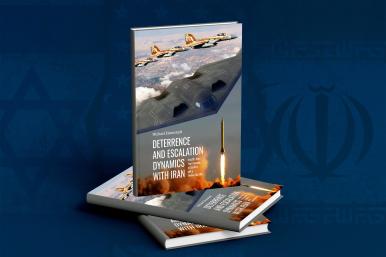
Deterrence and Escalation Dynamics with Iran:
Insights from Four Decades of Conflict and a Twelve-Day War
The conflict in June 2025 laid bare longstanding misconceptions about escalation management with the regime and could hold lessons as the United States contemplates further military action.
۲۰ فوریه ۲۰۲۶
◆
Michael Eisenstadt
Brief Analysis
U.S. Military Options in Iran: Means in Search of an End
Military strikes, stringent sanctions enforcement, and help for the opposition could sharpen the multiple crises that may eventually prove the regime’s undoing.
۳۰ ژانویه ۲۰۲۶
◆
Michael Eisenstadt
Video
Brief Analysis
Iran Endgame? Protests, Repression, and the Trump Administration
Three experts discuss the rapidly changing situation in Iran, including the status of opposition elements on the ground, the U.S. interests at play in the crisis, and Washington’s policy options for bolstering both.
۱۶ ژانویه ۲۰۲۶
◆
Holly Dagres
Michael Eisenstadt
Richard Nephew
Articles & Testimony
The Risk and Reward of Preventive Strikes Against Iran
Understanding the background of the twelve-day war and the considerations that shaped Iran’s past nuclear calculus can help illuminate the factors most likely to influence its future proliferation choices.
۳۰ سپتامبر ۲۰۲۵
◆
Michael Eisenstadt
Brief Analysis
After the Bombing: Iran’s Nuclear Options
While the recent military strikes against its nuclear program may further incentivize Tehran to go for the bomb, they may also complicate such efforts and give Washington more leverage to dissuade it.
۲۳ ژوئیه ۲۰۲۵
◆
Michael Eisenstadt
Brief Analysis
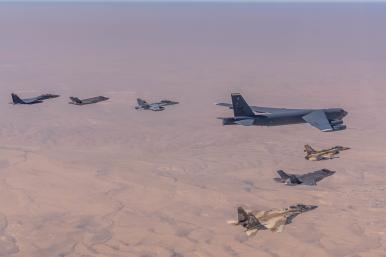
Iran’s Retaliation: Choreography, Escalation Management, and the Mirage of “All-Out” War
Fears of an “all-out” war with Iran have been greatly overstated, and they fail to account for the Islamic Republic’s overriding desire to avoid such an outcome and the diverse repertoire it has developed to prevent one.
۲۵ ژوئن ۲۰۲۵
◆
Michael Eisenstadt
Video
Brief Analysis
From Diplomacy to Military Force: The Future of Iran’s Nuclear Program
U.S. and Israeli experts assess the quickly evolving situation as the IDF continues striking targets across the country, Tehran retaliates with missile salvos, and the international community mulls how best to contain the crisis.
۱۷ ژوئن ۲۰۲۵
◆
Michael Eisenstadt
Zohar Palti
Dennis Ross
Dana Stroul
Brief Analysis
Israel Strikes Iran: Initial Assessments from Washington Institute Experts
A compilation of analyses on the military and nuclear impact of Israel’s initial strikes, Tehran’s response options, the Trump administration’s next steps, public reactions inside Iran, and more.
۱۳ ژوئن ۲۰۲۵
◆
Matthew Levitt
Michael Eisenstadt
Patrick Clawson
Dana Stroul
Holly Dagres
David Schenker
Video
Brief Analysis
Bombing Iran's Nuclear Program: Implications of Preventive Action
Washington Institute experts discuss what challenges must be addressed in negotiating a new nuclear deal or, failing that, planning a military campaign to degrade or destroy the program.
۲۵ مارس ۲۰۲۵
◆
Dana Stroul
Richard Nephew
Michael Eisenstadt
Holly Dagres
Maps & Graphics
In-Depth Reports
Attacking Iran's Nuclear Program:
The Complex Calculus of Preventive Action
Should a negotiated deal prove elusive, policymakers will need to consider how to define a successful strike, Iran’s potential responses, and whether a strategy of prevention can be sustained.
۱۱ مارس ۲۰۲۵
◆
Michael Eisenstadt
Brief Analysis
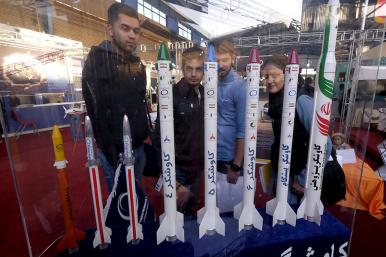
Can Iran Restore Its Missile Mojo?
Despite questions about the utility of its huge missile arsenal—whose importance has only increased since the collapse of the “axis of resistance”—Iran will likely double down on this capability to ensure the viability of its military strategy.
۲۳ دسامبر ۲۰۲۴
◆
Michael Eisenstadt
Farzin Nadimi
Maps & Graphics
In-Depth Reports
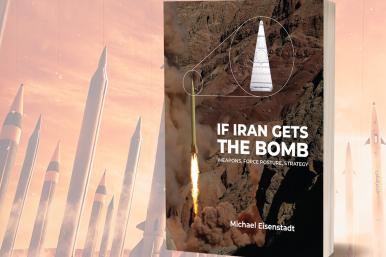
If Iran Gets the Bomb:
Weapons, Force Posture, Strategy
The decision would require tradeoffs affecting the security, survivability, and military credibility of Tehran's nascent arsenal.
۲۵ نوامبر ۲۰۲۴
◆
Michael Eisenstadt
Brief Analysis
With Its Conventional Deterrence Diminished, Will Iran Go for the Bomb?
Although recent military setbacks have fueled Iranian talk about a possible nuclear breakout, uncertainty about the risks, costs, and utility of weaponization may give the United States leverage to ensure that Tehran continues to hedge.
۱۵ نوامبر ۲۰۲۴
◆
Michael Eisenstadt
Brief Analysis
Denial or Punishment? The U.S.-Israel Debate About How Best to Deter Iran
Experience shows that a balanced strategy blending deterrence by denial and deterrence by punishment can more effectively contain Iran.
۲۶ آوریل ۲۰۲۴
◆
Michael Eisenstadt
◆
Risks and Opportunities in the Post-April 13 Middle East
Brief Analysis
Israel’s Campaign Against Hamas in Gaza: War Aims and Operational Challenges
The goal of destroying Hamas will require a prolonged military effort, but the longer the fighting drags on, the less likely Israel will be to retain the freedom of action needed to achieve its war aims.
۳۱ اکتبر ۲۰۲۳
◆
Michael Eisenstadt
Articles & Testimony
Political and Strategic Cultures in the Longue Duree: Insights from the Middle East
A more rigorous understanding of how political and strategic cultures interact to affect the conduct of states could aid intelligence analysts and policymakers.
October 2023
◆
Michael Eisenstadt
Pagination
Current page
1
Page
2
Page
3
Page
4
Page
5
Page
6
Page
7
Page
8
Page
9
…
Last page
Last »
Next page
››