Michael Eisenstadt is the Kahn Senior Fellow and director of The Washington Institute's Military and Security Studies Program.
In-Depth Reports
The conflict in June 2025 laid bare longstanding misconceptions about escalation management with the regime and could hold lessons as the United States contemplates further military action.
For decades, Washington struggled to counter Tehran’s asymmetric way of war, rooted in a failure to understand the Islamic Republic’s military modus operandi and fears of another Middle East “forever war.” The twelve-day conflict in June 2025, however, confounded predictions that a U.S. attack on Iran would prompt massive retaliation, lead to thousands of American casualties, and spark an “all-out” regional war. In turn, it laid bare longstanding misconceptions regarding the ability of the United States and Israel to manage escalation with Iran. These lessons have particular relevance as the United States contemplates military action against the regime following its massacre of thousands of protesters.
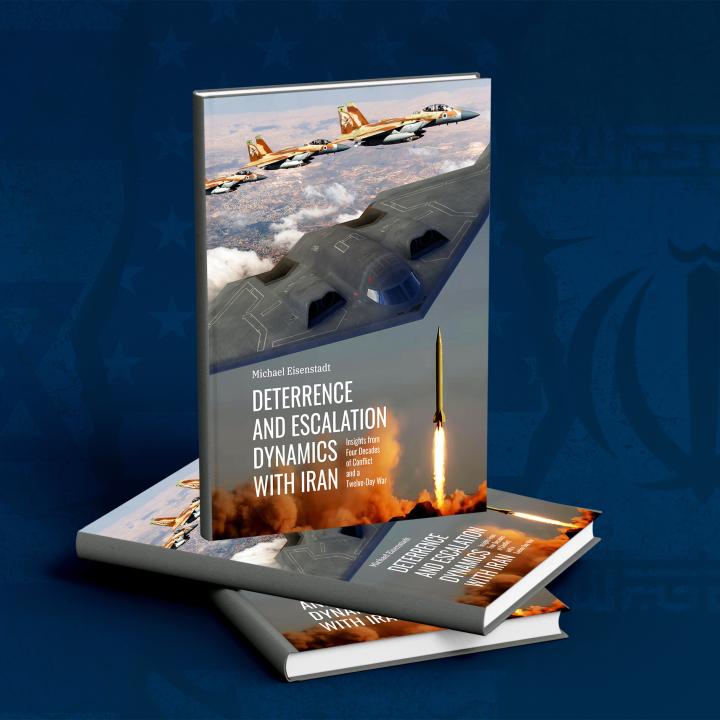
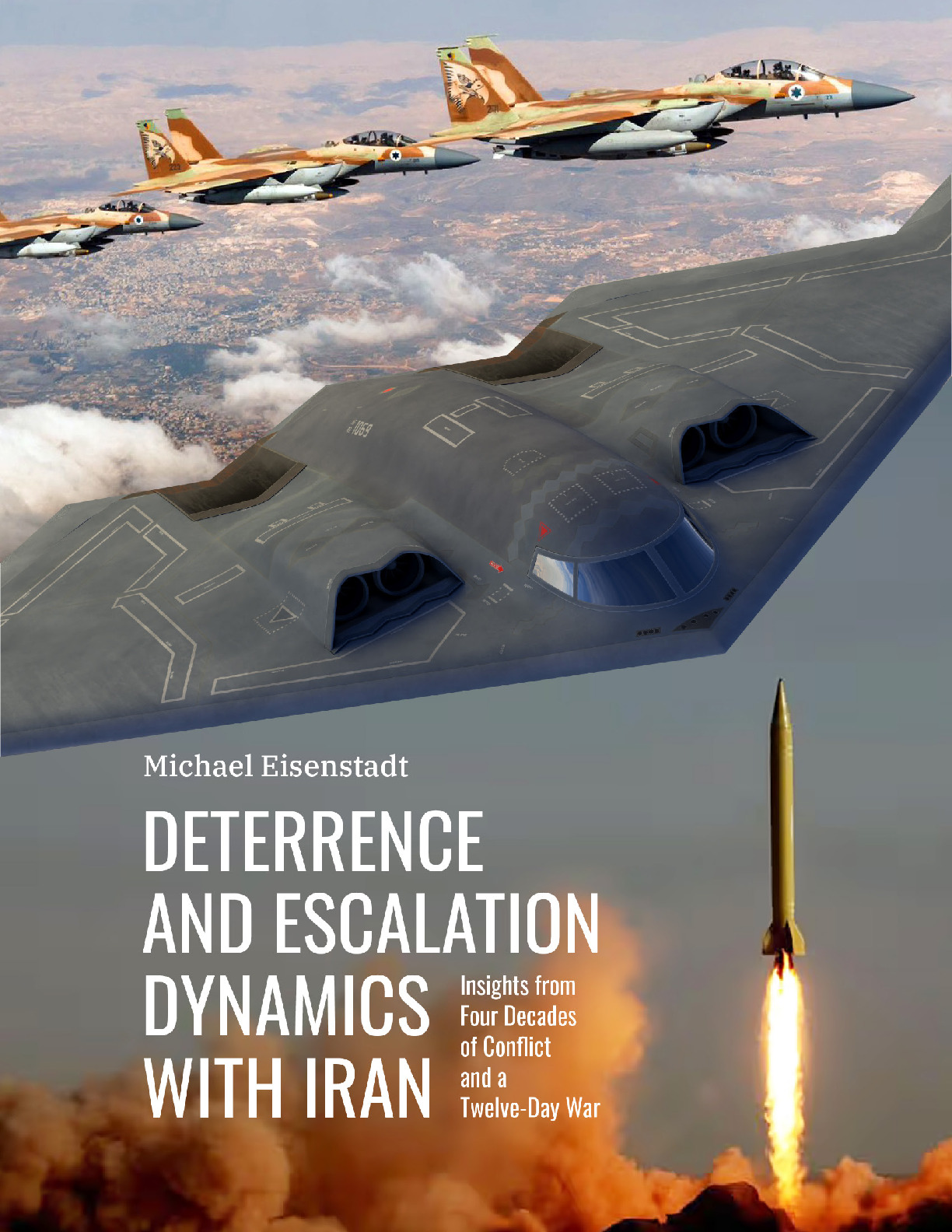
In this timely Policy Focus, military expert Michael Eisenstadt reviews recent U.S. and Israeli conflicts with Iran and its proxies to better understand the Islamic Republic's past approach to deterrence and escalation management—which may inform its conduct in future conflicts. And it seeks to draw the right lessons from this experience—which will be critical to future efforts to deter and counter Iran and its proxies.