






By taking urgent steps to institutionalize the wartime partnerships formed with (and between) Ukraine, the Gulf states, and Syria, Congress can strike heavy long-term blows against hostile Russian influence in the Middle East.
Rather than pushing for the unrealistic goal of reaching a comprehensive deal in two weeks, the Trump administration should take the necessarily more patient approach of working through America’s strong network of allies to strengthen its hand.
The economic, political, and diplomatic fallout of the Iran crisis is bending the kingdom in multiple directions, but Washington can do much to ease the domestic stress, avoid bilateral friction, and address Amman’s growing rift with Israel.
Cairo has put a premium on de-escalation in order to end the war as soon as possible and lessen the economic and energy shocks afterward, but this approach could backfire with its longtime benefactors in the Gulf states.
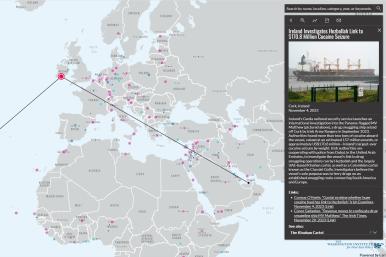
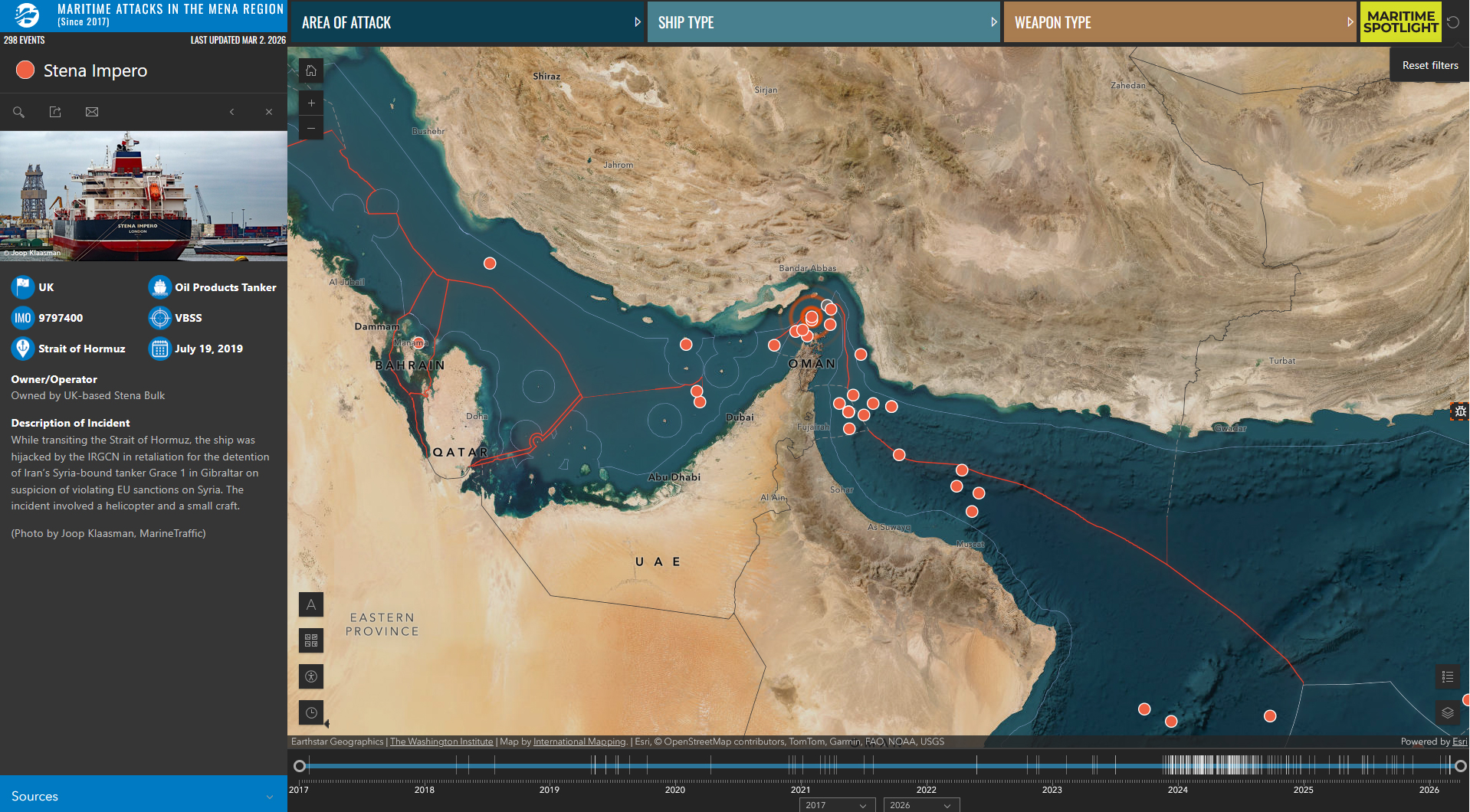
Interactive Map: Maritime Attacks in the MENA Region
Explore this new interactive tool to shed light on the actions of actors such as Iran and Yemen's Houthis that have threatened and attacked commercial shipping in the waters off the Middle East and North Africa.
An in-depth look at the swift and dramatic changes that have occurred in Syria’s vulnerable network of Islamic State detention sites, and why the international community can't just “move on” from the issue.
Prospects for a Russian Resurgence in the Middle East
Moscow has cultivated ties with U.S. adversaries and allies alike, and Washington must respond by advancing a holistic policy that empowers Ukrainian commercial interests and addresses deficits in sanctions policy.