Sabina Henneberg is a Senior Fellow at The Washington Institute and director of its Junior Research Program.
Articles & Testimony
Democratic backsliding, sluggish trade reforms, and other maladies have left the country's ports insufficiently attractive to investment heavyweights like the United States and China.
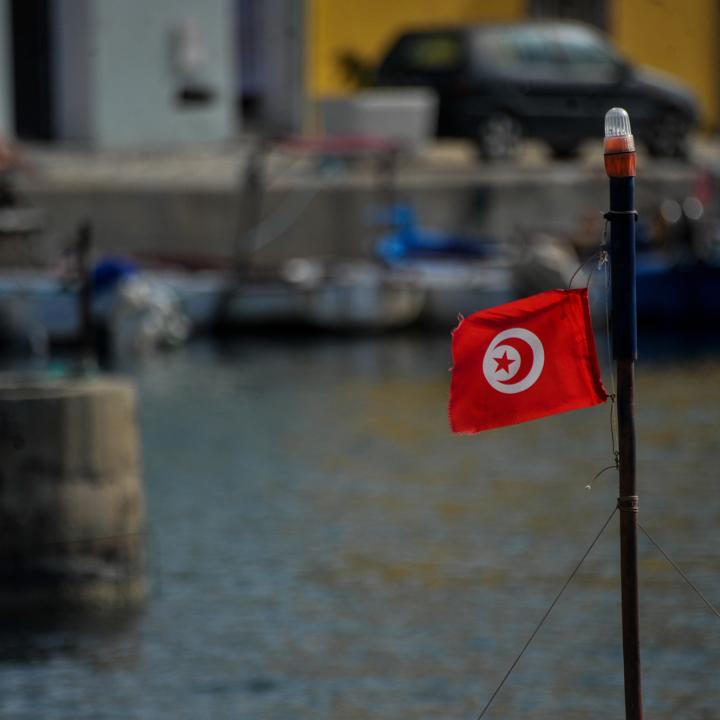
Strategically located on the Mediterranean coast, with access to resource-rich Africa and the Middle East as well as Europe, Tunisia has long attracted foreign attention. The development of the country’s transport infrastructure is also critical to growth through trade, given its small, diverse economy. Despite these features, its ports remain severely underdeveloped—a missed opportunity not only for Tunisia but for superpowers like China and the United States looking to expand their influence. According to the World Bank, Tunis has “ample opportunity” to develop its ports and tap into the rapidly growing containerized shipping traffic in the Mediterranean. The United States recognized this opportunity nearly a decade ago, when the Millennium Challenge Corporation identified Tunisia as a partner for investments in projects such as port infrastructure improvements. A jointly developed agreement specifically targeted the country’s largest port, Rades. However, on July 25, 2021, MCC suspended the agreement due to “democratic governance concerns”...