
TWI logo The Washington Institute for Near East Policy
logo
wordmark
Homepage

Main navigation

  • تحلیل‌ها
  • کارشناسان
  • درباره‌ما
  • پشتیبانی
  • نقشه و چند رسانه‌ای
مباحث روز :
  • نظامی و امنیتی
  • انرژی و اقتصاد
  • ایران
  • لبنان
  • کشورهای حاشیه‌خلیج فارس

منطقه‌ها و کشورها

  • اردن
  • اسرائیل
  • ایران
  • ترکیه
  • سوریه
  • شمال آفریقا
  • عراق
  • فلسطینی‌ها
  • لبنان
  • مصر
  • کشورهای حاشیه‌خلیج فارس

موضوع

  • انرژی و اقتصاد
  • تروریسم
  • خلیج و سیاست حوزه انرژی
  • دمکراسی و اصلاح
  • رقابت قدرت‌های بزرگ
  • روابط عرب و اسرائیل
  • سیاست آمریکا
  • عرب و اسلام سیاسی
  • فرایند صلح
  • منع اشاعه
  • نظامی و امنیتی
TWI English
TWI Arabic: اللغة العربية Fikra Forum

تروریسم

Policy Analysis on تروریسم

Filter by:

Photo of an Islamic State car bomb attack in Mayadin, Syria, May 2025.
Brief Analysis
A Counterterrorism Strategy Disconnected from the Terrorist Landscape
In focusing on cartels and gangs in the Western Hemisphere as well as left-wing extremists, the administration's “radical shift” elides certain threats from the Middle East along with the political right, while appearing to write off diplomacy and capacity building as key tools.
۱۵ مه ۲۰۲۶
◆
  • Michael Jacobson
Articles & Testimony
Between Intent and Capability: Assessing the Lack of Iranian Attacks on the U.S. Homeland
Although the threat may be somewhat diminished by the damage inflicted on Tehran’s security and intelligence agencies, the regime will reconstitute those capabilities over time and may calculate that the benefits of attacking highly vulnerable targets inside the United States outweigh the risks.
۶ مه ۲۰۲۶
◆
  • Matthew Levitt
Brief Analysis
Deniable, Disposable, Disruptive: Iran’s Hybrid Warfare in Europe Demands a Proactive Response
The low-sophistication, high-volume approach used in wartime attacks claimed by the front group HAYI has exposed critical vulnerabilities in Western efforts to harden soft targets, curb online recruitment, and protect Jewish communities amid spillover from the Middle East.
۴ مه ۲۰۲۶
◆
  • Adrian Shtuni
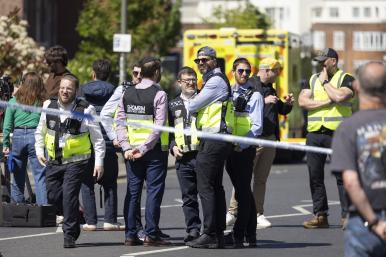
Emergency personnel respond to a terrorist knife attack in London in 2026 - source: Reuters
Articles & Testimony
The U.S. Shouldn’t Lose Sight of the Real Terrorist Threats
From releasing its long-delayed CT strategy document to filling crucial professional vacancies, the administration needs to publicly clarify that countering terrorism—Iranian and otherwise—remains a top national security priority.
۴ مه ۲۰۲۶
◆
  • Michael Jacobson
AlhawlsyriarefugeesISIS
Articles & Testimony
The Collapse of Indefinite Detention in Northeast Syria: Implications Seven Years Later for Syria and Beyond
An in-depth look at the swift and dramatic changes that have occurred in Syria’s vulnerable network of Islamic State detention sites, and why the international community can't just “move on” from the issue.
April 2026
◆
  • Devorah Margolin
Iraqi protesters display Iranian and Popular Mobilization Forces militia flags at a demonstration in Baghdad following the killing of Iranian Supreme Leader Khamenei - source: Reuters
Brief Analysis
Iraq Is at Another Crossroads with Iran-Backed Militias—and Washington
Although U.S. officials should keep pushing Baghdad to move against these groups, the Iran war has demonstrated the need to seek other avenues of pressure and recalibrate the bilateral relationship.
۸ آوریل ۲۰۲۶
◆
  • David Schenker
Armed members of the Iraqi Shiite militia Asaib Ahl al-Haq demonstrate at a funeral in Iraq - source: Reuters
Brief Analysis
What an “Iranian Proxies” Agreement Should Encompass
As wider peace negotiations continue, U.S. officials should carefully consider the many moving parts needed for a proxies deal to succeed—and what Washington would do if Tehran starts flagrantly violating its terms.
۶ آوریل ۲۰۲۶
◆
  • Michael Jacobson
News headlines on Gaza war, emphasis on use of anonymous sources by Washington Post
Articles & Testimony
How to Prevent a Repeat of the Gaza Narrative in Lebanon
As seen with Hamas during the Gaza war, media outlets and international officials are spreading untruths about Israel’s latest campaign against Hezbollah; thankfully, the playbook for countering them is clear this time.
۲ آوریل ۲۰۲۶
◆
  • Robert Satloff
Articles & Testimony
How Tehran’s Proxy Network Could Outlast the Iranian Regime
Even if Washington somehow convinces Iran to cut off support for groups like Hezbollah, Hamas, and the Houthis, this would not eliminate the threat they pose.
۲ آوریل ۲۰۲۶
◆
  • Michael Jacobson
  • Matthew Levitt
Articles & Testimony
Will Iran Turn to Terrorism?
With its leadership badly damaged and its security establishment humiliated by deep intelligence infiltration, the desperate regime likely sees little downside in setting caution aside and greenlighting a wide variety of international attacks.
۲۴ مارس ۲۰۲۶
◆
  • Matthew Levitt
Hezbollah March
Articles & Testimony
Can Hezbollah Be Dismantled?
Renewed warfare with Israel aside, Hezbollah will not be permanently undone unless one of two scenarios occurs: regime change in Iran, or the complete dismantlement of the group’s domestic financial system and political power.
۱۷ مارس ۲۰۲۶
◆
  • Hanin Ghaddar
Articles & Testimony
Keeping Iran’s Proxies on Their Back Feet
Even as the war proceeds, much more must be done to identify how Tehran and its terrorist partners are adapting their procurement and fundraising networks to evolving conditions in the Middle East.
Spring 2026
◆
  • Matthew Levitt
  • Michael Jacobson
Articles & Testimony
Lebanon’s Failure to Disarm Hezbollah Comes With a Price
Through their continued unwillingness to take on the militia and break Iran’s hold over Lebanon, Beirut and the LAF have effectively chosen the more calamitous path of war with Israel.
۱۴ مارس ۲۰۲۶
◆
  • David Schenker
Israeli Iron Dome missiles intercept rockets fired into Israel from Gaza by Hamas in October 2023 - source: Reuters
Video
Brief Analysis
Countering Threats from Iran’s Proxies and Partners During Wartime
Three experts discuss how Hezbollah, the Yemeni Houthis, and pro-Iran militias in Iraq have reacted to the war so far, outlining steps Washington and its regional partners can take to keep them from escalating further.
۱۳ مارس ۲۰۲۶
◆
  • Hanin Ghaddar
  • April Longley Alley
  • Michael Knights
A satellite map with political borders overlaid shows Afghanistan, Iran, and Pakistan - source: Reuters
Brief Analysis
Examining the Terrorism and Insurgency Links Between AfPak and Iran
The two conflicts may appear unrelated, but an al-Qaeda haven in Iran, threats from the Islamic State, and separatist ambitions could supercharge the risks to regional and global security.
۱۲ مارس ۲۰۲۶
◆
  • Aaron Y. Zelin
Protesters display Iranian, Syrian, Palestinian, and Hezbollah flags - source: Reuters
Brief Analysis
The Wartime Role of Iran’s “Axis”: Countering Proxy and Terrorist Threats
Washington Institute fellows assess how Hezbollah, the Houthis, Iraq’s Hashd, and other Iranian proxies and allies are responding to the war, as well as how the Trump administration and partner governments might counter the risk of terrorist attacks given Tehran’s long track record of foreign plots.
۵ مارس ۲۰۲۶
◆
  • Assaf Orion
  • Hanin Ghaddar
  • Michael Knights
  • April Longley Alley
  • Michael Jacobson
  • Matthew Levitt
Articles & Testimony
Hezbollah Is Winning the Race to Rearm in Lebanon
To gauge the true effectiveness of the LAF's disarmament effort, one must go beyond the number of patrols, raids, and seized weapons and take a hard look at what it has done—and not done—to search private property, target underground facilities, stop cross-border smuggling from Syria, and transparently dispose of armaments.
۲۶ فوریه ۲۰۲۶
◆
  • Matthew Levitt
A woman at the Al-Hawl (or Al-Hol) detention camp in Syria - source: Reuters
Articles & Testimony
From SNAFU to FUBAR in Northeast Syria
Some 20,000 Islamic State-affiliated individuals are now unaccounted for, and no one has a plan for what to do about this mix of committed radicals, at-risk victims, and other escapees.
۲۵ فوریه ۲۰۲۶
◆
  • Devorah Margolin
  • Joana Cook
Articles & Testimony
EU Takes Aim at Tehran: IRGC Terror Listing Opens New Front in Europe’s Iran Policy
Besides the welcome symbolic value of taking action amid bloody regime crackdowns inside Iran, the designation gives multilateral law enforcement agencies and individual member states a powerful new tool set for limiting terrorist plots and criminal activity on their soil.
۳ فوریه ۲۰۲۶
◆
  • Michael Jacobson
Video
Articles & Testimony
U.S. Policy Toward Lebanon: Obstacles to Dismantling Hezbollah’s Grip on Power
Meeting the moment requires greater investment and attention from Washington, including additional targeted security assistance, robust diplomatic efforts, expansion of the U.S. team tasked with handling the Lebanon file, and more.
۳ فوریه ۲۰۲۶
◆
  • Dana Stroul

Pagination

  • Current page 1
  • Page 2
  • Page 3
  • Page 4
  • Page 5
  • Page 6
  • Page 7
  • Page 8
  • Page 9
  • …
  • Last page Last »
  • Next page Next ›
Supported by the

Jeanette and Eli Reinhard Program on Counterterrorism and Intelligence

The Washington Institute's Jeanette and Eli Reinhard Program on Counterterrorism and Intelligence serves as Washington's premier center for the study of international terrorism.

Sign Up for Email Updates from The Washington Institute

Never miss a breaking event on U.S. policy interests in the Middle East. Customize your subscription to our expert analysis, op-eds, live events, and special reports.


Sign up

Featured experts

Matthew Levitt
ماتیو لویت
Devorah Margolin
دوورا مارگولین
دوورا مارگولین هموند بلومنستاین-روزنبلوم در انستیتو واشنگتن است.
Michael Jacobson
Michael Jacobson
Michael Jacobson is the Mark and Wayne Levy Senior Fellow in The Washington Institute's Jeanette and Eli Reinhard Program on Counterterrorism and Intelligence.
Aaron Zelin
آرون وای. زیلن
آرون وای. زیلن، عضو گروه ریچارد بورو در انستیتو واشنگتن که تحقیقاتی را در حوزه جهان عرب اهل سنت در شمال آفریقا و سوریه، و همچنین نبردهای خارجی و جهادگری آنلاین صورت داده است.
Background image with TWI branding
logo
wordmark
Homepage

1111 19th Street NW - Suite 500
Washington D.C. 20036
Tel: 202-452-0650
Fax: 202-223-5364

Footer contact links

  • تماس
  • اتاق خبر
  • Subscribe

هدف انستیتو واشنگتن، تعمیق درکی متعادل و واقع‌بینانه از منافع آمریکا در خاورمیانه و نیز پیشبردِ سیاست‌هایی برای حفظ آن منافع است.

انستیتو واشنگتن یک سازمان غیرانتفاعی دارای مجوز 501(c)3 است که تمامی کمک‌های مالی به آن شامل معافیت مالیاتی خواهد شد.

Footer quick links

  • درباره انستیتو واشنگتن
  • پشتیبانی از انستیتو
  • Alumni

Social media

  • The Washington Institute on Facebook facebook
  • The Washington Institute on X x
  • The Washington Institute on YouTube youtube
  • The Washington Institute on LinkedIn linkedin

© 2026 کلیه حقوق محفوظ است

Footer

  • استخدام
  • حریم خصوصی
  • حقوق و مجوزها