

TWI logo The Washington Institute for Near East Policy
logo
wordmark
Homepage

Main navigation

  • تحلیل‌ها
  • کارشناسان
  • درباره‌ما
  • پشتیبانی
  • نقشه و چند رسانه‌ای
مباحث روز :
  • نظامی و امنیتی
  • منع اشاعه
  • اسرائیل
  • ایران
  • لبنان
  • سوریه

منطقه‌ها و کشورها

  • اردن
  • اسرائیل
  • ایران
  • ترکیه
  • خاورمیانه
  • سوریه
  • شمال آفریقا
  • عراق
  • فلسطینی‌ها
  • لبنان
  • مصر
  • کشورهای حاشیه‌خلیج فارس

موضوع

  • انرژی و اقتصاد
  • تروریسم
  • خلیج و سیاست حوزه انرژی
  • دمکراسی و اصلاح
  • رقابت قدرت‌های بزرگ
  • روابط عرب و اسرائیل
  • سیاست آمریکا
  • عرب و اسلام سیاسی
  • فرایند صلح
  • منع اشاعه
  • نظامی و امنیتی
TWI English
TWI Arabic: اللغة العربية Fikra Forum

نظامی و امنیتی

Policy Analysis on نظامی و امنیتی

Filter by:

Articles & Testimony
The Great Middle Eastern War of 2019
Far from simply replaying the 2006 Lebanon war, the next conflict on Israel’s northern frontier will likely involve many more actors on multiple fronts, raising unprecedented challenges for escalation management.
۲۰ اوت ۲۰۱۸
◆
  • Nadav Ben Hour
  • Michael Eisenstadt
A man manipulates cables on a bank of internet data servers - source: Reuters
Brief Analysis
Iran's Passive Defense Organization: Another Target for Sanctions
Despite its nominal defense role, the NPDO has helped the regime repress citizens online, a function that Washington should counter with sanctions.
۱۶ اوت ۲۰۱۸
◆
  • Farzin Nadimi
Brief Analysis
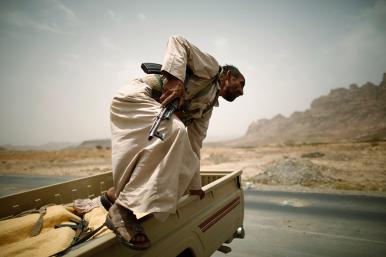
Setting Limits on the Saudi Air Campaign in Yemen
The United States can greatly reduce civilian deaths by asking the Saudis to cease non-battlefield airstrikes in return for greater U.S. support on defensive arrangements.
۱۶ اوت ۲۰۱۸
◆
  • Michael Knights
Brief Analysis
Women, Minorities, and Military Aid to Egypt
As the next deadline for FMF disbursement approaches, the administration should remember that U.S. law requires it to consider Cairo’s recent track record on human rights.
۹ اوت ۲۰۱۸
◆
  • Amy Austin Holmes
تحلیل کوتاه
مهار حملات حوثی‌ها به کشتی‌های غیرنظامی در باب‌المندب
حمله اخیر شورشیان تحت حمایت ایران به نفت‌کش‌ها، نیاز به کنترل مجدد تمامی ساحل دریای سرخ را از طرف دولت یمن، که از سوی جامعه بین‌المللی به رسمیت شناخته می‌شود، برجسته می‌کند.
۲۷ ژوئیهٔ ۲۰۱۸
◆
  • مایکل نایتز
  • فرزین ندیمی
Brief Analysis
Managing Escalation in Gaza (Part 2): Breaking the Dynamic
Ending the cycle of violence will require not only tactical, strategic, and economic solutions, but also a host of ‘middle layer’ steps, from reducing military friction and establishing reliable channels of communication between the sides, to controlling the actions of other Gaza militant groups.
۲۷ ژوئیه ۲۰۱۸
◆
  • Nadav Ben Hour
Brief Analysis
Managing Escalation in Gaza (Part 1): Lessons from Operation Protective Edge
The 2014 conflict showed how escalatory dynamics can quickly lead two adversaries into full-blown fighting even when neither side actually wants a war.
۲۶ ژوئیه ۲۰۱۸
◆
  • Nadav Ben Hour
Articles & Testimony
Military Is Fourth Party Shaping Pakistan’s Elections, and Future
Foreign policy, defense policy, and the lion’s share of the national budget remain in the army’s hands, giving it major sway over politics.
۲۵ ژوئیه ۲۰۱۸
◆
  • Simon Henderson
تحلیل کوتاه
ایران بار دیگر بر سر چهارراهی استراتژیک قرار گرفته است
از آن‌جا که راهبردِ رژیم در رویارویی با دستگاهِ دولت ترامپ همچنان نااستوار است، آیا سیاستِ سنتی دومرحله‌ای آن، یعنی آشوب‌انگیزی و خویشتن‌داری، اوضاع را بدتر نخواهد کرد؟
۲۵ ژوئیهٔ ۲۰۱۸
◆
  • عمر کرمی
Brief Analysis
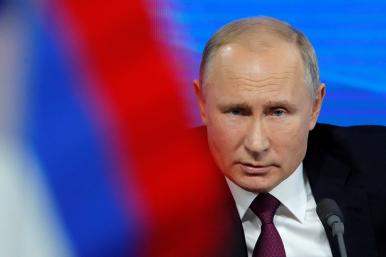
Putin’s Golan Comments: Implications for Israeli Security
Moscow has seemingly reaffirmed Israel’s right to keep Iranian forces away from the Golan frontier, but it is unclear whether Assad’s southern offensive will actually help or hinder that goal in the long term.
۱۹ ژوئیه ۲۰۱۸
◆
  • David Makovsky
Brief Analysis
Iran After the JCPOA Withdrawal (Part 2): Shaping Tehran’s Response
Tehran will likely resort to measured countermoves in the nuclear domain at first, but successful U.S. pressure could spur it to challenge JCPOA limits, take action in non-nuclear domains, or push back against U.S. and allied forces.
۱۷ ژوئیه ۲۰۱۸
◆
  • Michael Eisenstadt
Brief Analysis
Iran After the JCPOA Withdrawal (Part 1): Lessons from Past Pressure Campaigns
Tehran has generally responded to pressure by issuing threats, ramping up its nuclear activities, accepting temporary limits, and, when the heat is turned up, launching cyber, military, and terrorist operations.
۱۶ ژوئیه ۲۰۱۸
◆
  • Michael Eisenstadt
Trump in a Meeting with Putin
Video
Getting Syria Right at the Trump-Putin Summit
Keeping U.S. troops in place is critical to our national security, but American interests don't require the large-scale, long-term ground force that many fear.
۱۳ ژوئیه ۲۰۱۸
◆
  • James Jeffrey
  • Barbara A. Leaf
  • Dennis Ross
Multimedia
Brief Analysis
Taking Stock of U.S. Counterterrorism Efforts Since 9/11
The director of strategic operational planning at the National Counterterrorism Center discusses the general state of U.S. CT efforts, the persistence of the threat, and the need to focus on nonkinetic prevention methods.
۱۰ ژوئیه ۲۰۱۸
◆
  • Michael Nagata
◆ Counterterrorism Lecture Series
Brief Analysis
Haftar's Play for Libyan Oil
To preserve Libyan unity, the United States should threaten to block any oil shipments not authorized by the country's internationally recognized government.
۳ ژوئیه ۲۰۱۸
◆
  • Ben Fishman
Brief Analysis
The Problem of Landmine Proliferation in Yemen
The United States should take the lead in preventing the spread of landmine use beyond the Arabian Peninsula, thereby upholding decades of norm-building efforts.
۳ ژوئیه ۲۰۱۸
◆
  • Elana DeLozier
Brief Analysis
Accepting Regime Forces in South Syria Will Only Further Iran’s Goals
Whether openly or in disguise, Hezbollah and other Iranian proxies are deploying to the south in large numbers, greatly increasing the potential for cross-border escalation.
۲۹ ژوئن ۲۰۱۸
◆
  • Hanin Ghaddar
  • Phillip Smyth
Brief Analysis
Erdogan's Victory Could Actually Improve U.S.-Turkish Relations
Turkey’s decisive election results and shaky geopolitical situation could make it more amenable to addressing U.S. concerns about Russian weapons sales, Iranian adventurism, and other key security issues.
۲۷ ژوئن ۲۰۱۸
◆
  • James Jeffrey
What Would Happen If Russia Flipped Egypt?
An expert on Russian foreign policy explains how even a partial Cairo-Moscow alliance on specific security and energy issues could be inimical to U.S. interests.
۲۶ ژوئن ۲۰۱۸
◆
  • Anna Borshchevskaya
Articles & Testimony
Could Russia Flip Egypt?
For too long, U.S. policymakers have tailored their approach toward Cairo as if Washington were the only player in the sandbox.
۲۱ ژوئن ۲۰۱۸
◆
  • Anna Borshchevskaya

Pagination

  • Previous page ‹ Previous
  • First page « First
  • …
  • Page 62
  • Page 63
  • Page 64
  • Page 65
  • Current page 66
  • Page 67
  • Page 68
  • Page 69
  • Page 70
  • …
  • Last page Last »
  • Next page Next ›
Supported by the

Military and Security Studies Program

The Washington Institute's Military and Security Studies Program has established itself as an unrivaled source of reliable, incisive, and forward-looking analysis concerning several of the most critical national-security challenges facing the United States today: The U.S. military role in the Middle East, Iran's nuclear program and its proxy armies, the ongoing conflict is in Iraq, Lebanon, Syria, and Yemen, the regional proliferation of missiles and weapons of mass destruction, the security dimensions of the Arab-Israeli conflict, and many other security issues on the frontline of the U.S. policymaking agenda.

Sign Up for Email Updates from The Washington Institute

Never miss a breaking event on U.S. policy interests in the Middle East. Customize your subscription to our expert analysis, op-eds, live events, and special reports.


Sign up

Featured experts

Michael Eisenstadt
مایکل آیزنستات
مایکل آیزنستات هموند دیوید کان و داگلاس کان و مدیر برنامه مطالعات امنیتی و نظامی انستیو واشنگتن است.
Grant Rumley
گرانت راملی
گرانت راملی هموند ارشد انستیتو واشنگتن و مشاور سابق سیاست‌گذاری خاورمیانه در دفتر وزیر دفاع است.
Elizabeth Dent - source: The Washington Institute
Elizabeth Dent
Elizabeth Dent is the Nathan and Esther K. Wagner Senior Fellow at the Washington Institute for Near East Policy, where she focuses on U.S. foreign and defense policy toward the Gulf states, Iraq, and Syria.
Background image with TWI branding
logo
wordmark
Homepage

1111 19th Street NW - Suite 500
Washington D.C. 20036
Tel: 202-452-0650
Fax: 202-223-5364

Footer contact links

  • تماس
  • اتاق خبر
  • Subscribe

هدف انستیتو واشنگتن، تعمیق درکی متعادل و واقع‌بینانه از منافع آمریکا در خاورمیانه و نیز پیشبردِ سیاست‌هایی برای حفظ آن منافع است.

انستیتو واشنگتن یک سازمان غیرانتفاعی دارای مجوز 501(c)3 است که تمامی کمک‌های مالی به آن شامل معافیت مالیاتی خواهد شد.

Footer quick links

  • درباره انستیتو واشنگتن
  • پشتیبانی از انستیتو
  • Alumni

Social media

  • The Washington Institute on Facebook facebook
  • The Washington Institute on X x
  • The Washington Institute on YouTube youtube
  • The Washington Institute on LinkedIn linkedin

© 2025 کلیه حقوق محفوظ است

Footer

  • استخدام
  • حریم خصوصی
  • حقوق و مجوزها