TWI logo The Washington Institute for Near East Policy
logo
wordmark
Homepage

Main navigation

  • تحلیل‌ها
  • کارشناسان
  • درباره‌ما
  • پشتیبانی
  • نقشه و چند رسانه‌ای
مباحث روز :
  • تروریسم
  • رقابت قدرت‌های بزرگ
  • ایران
  • لبنان
  • کشورهای حاشیه‌خلیج فارس

منطقه‌ها و کشورها

  • اردن
  • اسرائیل
  • ایران
  • ترکیه
  • سوریه
  • شمال آفریقا
  • عراق
  • فلسطینی‌ها
  • لبنان
  • مصر
  • کشورهای حاشیه‌خلیج فارس

موضوع

  • انرژی و اقتصاد
  • تروریسم
  • خلیج و سیاست حوزه انرژی
  • دمکراسی و اصلاح
  • رقابت قدرت‌های بزرگ
  • روابط عرب و اسرائیل
  • سیاست آمریکا
  • عرب و اسلام سیاسی
  • فرایند صلح
  • منع اشاعه
  • نظامی و امنیتی
TWI English
TWI Arabic: اللغة العربية Fikra Forum

نظامی و امنیتی

Policy Analysis on نظامی و امنیتی

Filter by:

Brief Analysis
Dateline Middle East: Trip Reports from around the Region
On March 27, 2012, Robert Satloff, Andrew J. Tabler, and Simon Henderson addressed a Policy Forum at The Washington Institute. Dr. Satloff, the Institute's executive director and Howard P. Berkowitz chair in U.S. Middle East policy, had just returned from Israel and Jordan. Mr. Tabler, the Institute's Next Generation fellow
۲۹ مارس ۲۰۱۲
◆
  • Robert Satloff
  • Andrew J. Tabler
  • Simon Henderson
Articles & Testimony
Danger Zone
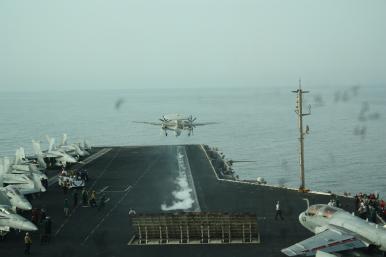
Reporting from the USS Abraham Lincoln in waters near Iran, Simon Henderson describes why the carrier strike groups in the Persian Gulf are an awesome reminder of U.S. military might. View a slideshow of photos from his time aboard the supercarrier. U.S. President Barack Obama recently said that "all elements
۲۷ مارس ۲۰۱۲
◆
  • Simon Henderson
Brief Analysis
Not Supporting the Opposition "within Syria" Is Supporting Assad
During their March 25 meeting, President Obama and Turkish prime minister Recep Tayyip Erdogan agreed that part of the agenda of the April 1 "Friends of Syria" summit in Istanbul will concern "nonlethal assistance" to the opposition "within Syria." This indicates that the administration is beginning to accept a "tragic
۲۶ مارس ۲۰۱۲
◆
  • Andrew J. Tabler
  • David Pollock
Brief Analysis
The Tides of Battle in Syria
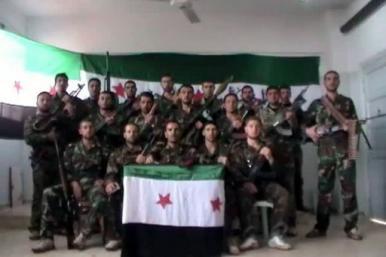
The Free Syria Army remains in the fight and should be sustained and armed to maintain military pressure on the regime.
۲۳ مارس ۲۰۱۲
◆
  • Jeffrey White
Brief Analysis
Iran Keeps Compromise Option Open
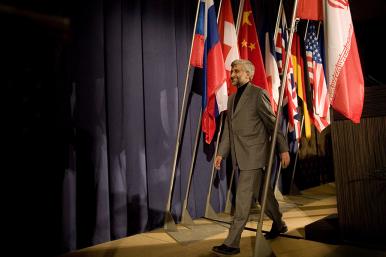
Whether by choice or through the military's influence, Ayatollah Khamenei has decided to keep a formerly marginalized regime figure -- and, by extension, the possibility of nuclear compromise -- in play.
۲۲ مارس ۲۰۱۲
◆
  • Mehdi Khalaji
Articles & Testimony
To Keep the Peace with Iran, Threaten to Strike
Washington must clearly articulate what its red lines are in terms of Iranian behavior and credibly threaten the regime with military action should it cross them.
۲۰ مارس ۲۰۱۲
◆
  • Michael Singh
Brief Analysis
Washington and Israel on Iran: Unresolved Differences
Notwithstanding their differing perspectives on the subject, the less daylight seen between Washington and Israel regarding Iran, the better.
۱۶ مارس ۲۰۱۲
◆
  • Michael Herzog
Brief Analysis
To Retaliate or Not: Hizballah's Calculus Following a Strike on Iran
Hizballah's response to military action against Iran could be shaped by rational cost-benefit analysis, a perceived spiritual obligation to defend its Shiite patron in Tehran, or both.
۱۴ مارس ۲۰۱۲
◆
  • David Schenker
Articles & Testimony
Arm the Free Syrian Army Now
Providing arms and other materiel to the FSA stands a far better chance of success than waiting for a silver bullet.
۸ مارس ۲۰۱۲
◆
  • David Schenker
Articles & Testimony
No Nuclear Compromise
The Iranian regime will not be able to survive existing sanctions, which are targeting the banking system and oil industry like never before.
۷ مارس ۲۰۱۲
◆
  • Mehdi Khalaji
Articles & Testimony
Avoiding a Bad Nuclear Deal with Iran
As the confrontation with Iran enters a new, more dangerous phase, Washington must avoid the temptation of redefining its red lines in a manner that endangers national security.
۷ مارس ۲۰۱۲
◆
  • Michael Singh
Brief Analysis
President Obama on Iran: Assessing Key Passages in the AIPAC Speech
Although the president's AIPAC speech offered reassurances that he is committed to the full logic of a "prevention" strategy in dealing with the Iranian nuclear challenge, including potential military action, it also implied a clear preference for Israel to hold back and let the noose of international sanctions tighten.
۵ مارس ۲۰۱۲
◆
  • Robert Satloff
Brief Analysis
The Need for Consistent U.S. and Israeli Public Messaging on Iran
Washington and Israel need to address their public messaging on Iran, which has undermined mutual trust and efforts to achieve their common objective: a diplomatic solution to the nuclear crisis.
۲ مارس ۲۰۱۲
◆
  • Michael Eisenstadt
  • David Makovsky
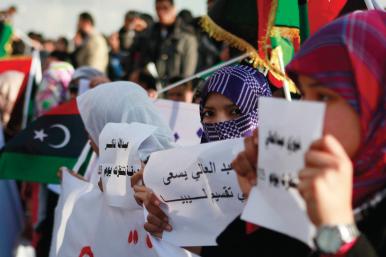
Protesters hold signs and flags in Libya - source: Reuters
In-Depth Reports
In War's Wake:
The Struggle for Post-Qadhafi Libya
In this new study, Jason Pack and Barak Barfi explain why the United States must take a proactive stance in ensuring that Libyan authorities win the peace, not just the war.
۲۴ فوریه ۲۰۱۲
◆
  • Jason Pack
  • Barak Barfi
Articles & Testimony
Friendship Under Fire
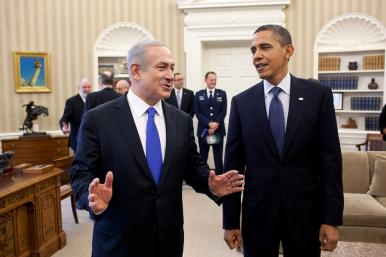
The Iranian nuclear threat will challenge Obama and Netanyahu's sometimes-rocky relationship like never before.
۲۲ فوریه ۲۰۱۲
◆
  • David Makovsky
Brief Analysis
Indirect Intervention in Syria: Crafting an Effective Response to the Crisis
Indirect intervention in Syria is less sure to succeed than direct intervention, but it may be more doable, giving the people the time and help they need to liberate themselves.
۲۱ فوریه ۲۰۱۲
◆
  • Jeffrey White
Articles & Testimony
A Violent New Year in Iraq
The U.S. troop withdrawal is a less significant driver of recent Iraqi violence than Washington's policy of giving Prime Minister Maliki a blank check in his campaign to consolidate power.
۱۷ فوریه ۲۰۱۲
◆
  • Michael Knights
Brief Analysis
Bashar al-Assad vs. the Syrian People
As the regime continues its latest offensive, the international community should exploit its military weaknesses through actions that help level the battlefield, alter the psychological environment, and increase pressure on Assad and his forces.
۱۴ فوریه ۲۰۱۲
◆
  • Jeffrey White
Brief Analysis
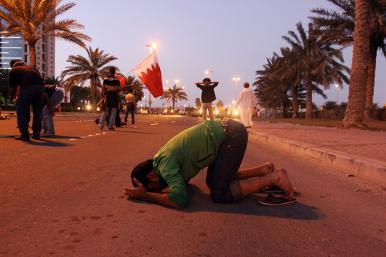
Nervous Bahrain Marks Anniversary of Shiite Protests
Washington must find a way to encourage more political reform in Bahrain, which hosts the headquarters of the U.S. Fifth Fleet.
۱۳ فوریه ۲۰۱۲
◆
  • Simon Henderson
Articles & Testimony
The Case for Organizing a Military Force from Muslim Countries to Intervene in Syria
Washington needs to devise a well-planned, delicate intervention in Syria: one supported by Russia, executed by Turks and Arabs, and remotely backed by the United States and its European allies.
۹ فوریه ۲۰۱۲
◆
  • Soner Cagaptay

Pagination

  • Previous page ‹ Previous
  • First page « First
  • …
  • Page 116
  • Page 117
  • Page 118
  • Page 119
  • Current page 120
  • Page 121
  • Page 122
  • Page 123
  • Page 124
  • …
  • Last page Last »
  • Next page Next ›
Supported by the

Military and Security Studies Program

The Washington Institute's Military and Security Studies Program has established itself as an unrivaled source of reliable, incisive, and forward-looking analysis concerning several of the most critical national-security challenges facing the United States today: The U.S. military role in the Middle East, Iran's nuclear program and its proxy armies, the ongoing conflict is in Iraq, Lebanon, Syria, and Yemen, the regional proliferation of missiles and weapons of mass destruction, the security dimensions of the Arab-Israeli conflict, and many other security issues on the frontline of the U.S. policymaking agenda.

Sign Up for Email Updates from The Washington Institute

Never miss a breaking event on U.S. policy interests in the Middle East. Customize your subscription to our expert analysis, op-eds, live events, and special reports.


Sign up

Featured experts

Michael Eisenstadt
مایکل آیزنستات
مایکل آیزنستات هموند دیوید کان و داگلاس کان و مدیر برنامه مطالعات امنیتی و نظامی انستیو واشنگتن است.
Grant Rumley
گرانت راملی
گرانت راملی هموند ارشد انستیتو واشنگتن و مشاور سابق سیاست‌گذاری خاورمیانه در دفتر وزیر دفاع است.
Elizabeth Dent - source: The Washington Institute
Elizabeth Dent
Elizabeth Dent is the Nathan and Esther K. Wagner Senior Fellow at the Washington Institute for Near East Policy, where she focuses on U.S. foreign and defense policy toward the Gulf states, Iraq, and Syria.
Background image with TWI branding
logo
wordmark
Homepage

1111 19th Street NW - Suite 500
Washington D.C. 20036
Tel: 202-452-0650
Fax: 202-223-5364

Footer contact links

  • تماس
  • اتاق خبر
  • Subscribe

هدف انستیتو واشنگتن، تعمیق درکی متعادل و واقع‌بینانه از منافع آمریکا در خاورمیانه و نیز پیشبردِ سیاست‌هایی برای حفظ آن منافع است.

انستیتو واشنگتن یک سازمان غیرانتفاعی دارای مجوز 501(c)3 است که تمامی کمک‌های مالی به آن شامل معافیت مالیاتی خواهد شد.

Footer quick links

  • درباره انستیتو واشنگتن
  • پشتیبانی از انستیتو
  • Alumni

Social media

  • The Washington Institute on Facebook facebook
  • The Washington Institute on X x
  • The Washington Institute on YouTube youtube
  • The Washington Institute on LinkedIn linkedin

© 2026 کلیه حقوق محفوظ است

Footer

  • استخدام
  • حریم خصوصی
  • حقوق و مجوزها