Matt Tavares is a former Defense Department official with two decades of experience in U.S. national security affairs.
In-Depth Reports
Moscow has cultivated ties with U.S. adversaries and allies alike, and Washington must respond by advancing a holistic policy that empowers Ukrainian commercial interests and addresses deficits in sanctions policy.
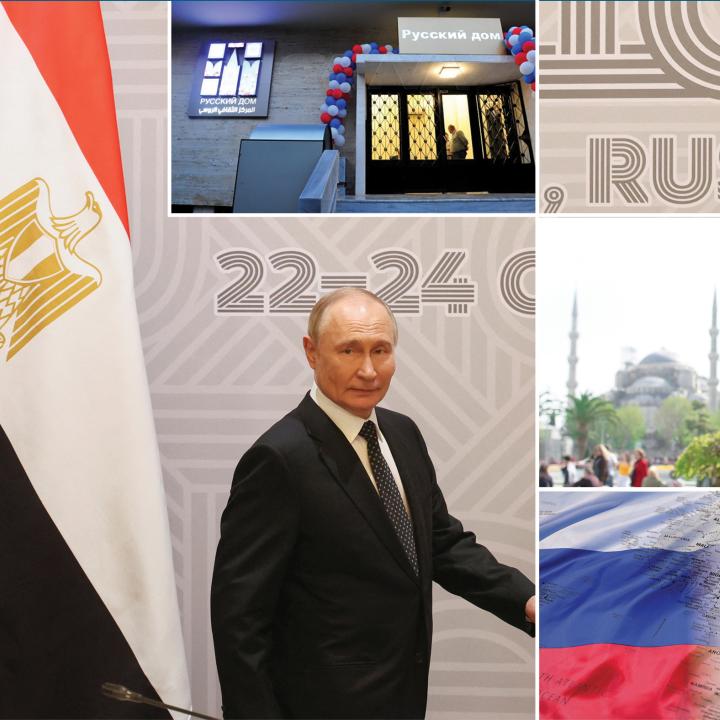
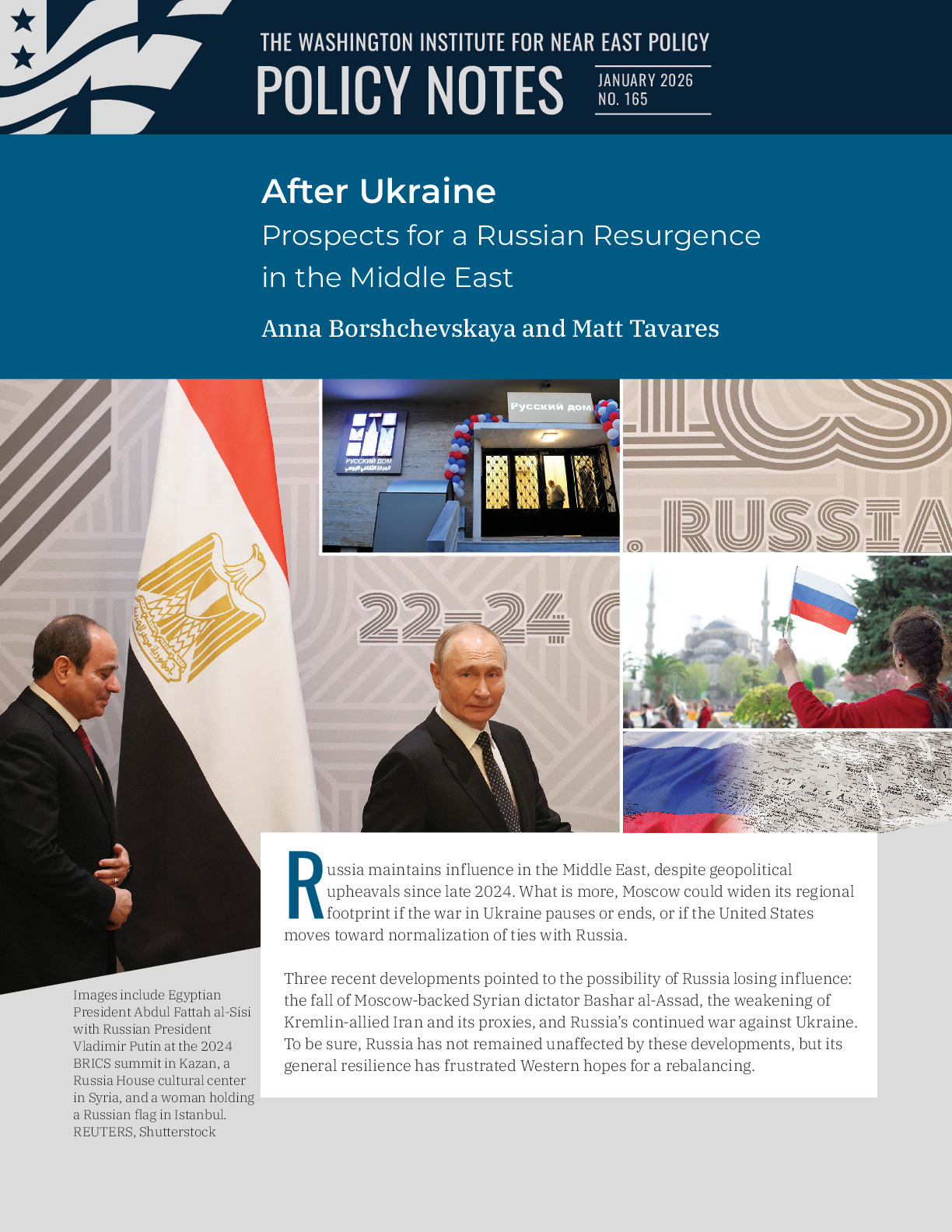
Russia’s position in the Middle East has faced major setbacks in recent years, including the fall of Syrian dictator Bashar al-Assad, the weakening of Iran and its proxies, and the toll from Moscow's unending war of choice in Ukraine. But reports of a Russian retreat from the region are premature. Alongside traditional defense and economic relationships with Algeria, Egypt, and Iraq, Moscow has cultivated ties with a host of other countries—U.S. adversaries and allies alike. With Iran, it has reportedly begun assembling Su-35 fighters as part of a $6.5 billion deal that would boost the regime’s air force. With the United Arab Emirates, an American ally, Russia’s non-oil trade grew to $11.5 billion as of 2024. And in Syria, Russia’s pre-revolution military bases remain in place, while an October meeting between Presidents Putin and Sharaa indicated a cooperative spirit.
In this comprehensive Policy Note, experts Anna Borshchevskaya and Matt Tavares argue that Russia is poised for a resurgence in the Middle East, especially once the war in Ukraine ends—a point they also make clear in a hard-hitting op-ed published in the National Interest. Washington, they argue, must recognize the multiple threats this would present to U.S. interests in the region and develop a vigorous counterstrategy in response—one that includes empowering Ukrainian commercial interests, refining sanctions policy, and rebutting Russian propaganda in real-time.