TWI logo The Washington Institute for Near East Policy
logo
wordmark
Homepage

Main navigation

  • تحلیل‌ها
  • کارشناسان
  • درباره‌ما
  • پشتیبانی
  • نقشه و چند رسانه‌ای
مباحث روز :
  • تروریسم
  • رقابت قدرت‌های بزرگ
  • ایران
  • لبنان
  • کشورهای حاشیه‌خلیج فارس

منطقه‌ها و کشورها

  • اردن
  • اسرائیل
  • ایران
  • ترکیه
  • سوریه
  • شمال آفریقا
  • عراق
  • فلسطینی‌ها
  • لبنان
  • مصر
  • کشورهای حاشیه‌خلیج فارس

موضوع

  • انرژی و اقتصاد
  • تروریسم
  • خلیج و سیاست حوزه انرژی
  • دمکراسی و اصلاح
  • رقابت قدرت‌های بزرگ
  • روابط عرب و اسرائیل
  • سیاست آمریکا
  • عرب و اسلام سیاسی
  • فرایند صلح
  • منع اشاعه
  • نظامی و امنیتی
TWI English
TWI Arabic: اللغة العربية Fikra Forum

عرب و اسلام سیاسی

Policy Analysis on عرب و اسلام سیاسی

Filter by:

Articles & Testimony
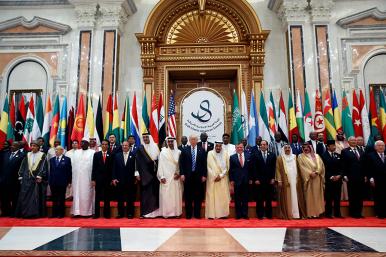
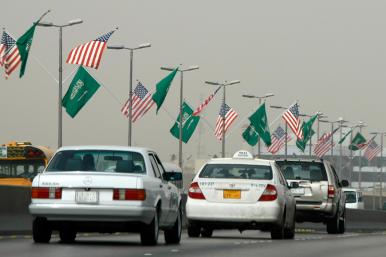
A Sunni Anti-Extremism Coalition Headed by the Saudis?
The newly proposed coalition is unsustainable because many Muslim-majority countries have conflicting agendas, but the United States can still push for mutual legal reform.
۲۲ مه ۲۰۱۷
◆
  • Haisam Hassanein
  • Wesam Hassanein
Brief Analysis
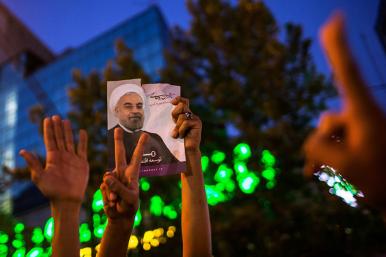
What To Expect After Iran's Election
The outcome is unlikely to bring much change to Tehran's foreign and security policy, but it will reveal how stable the Iranian system is when the powerful hardliners are decisively rejected by voters.
۱۹ مه ۲۰۱۷
◆
  • Patrick Clawson
  • Nader Uskowi
  • Farzin Nadimi
  • Katherine Bauer
Articles & Testimony
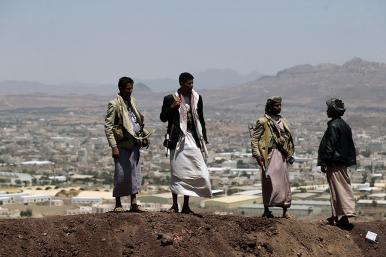
Yemen Quagmire Casts a Shadow Over Trump Trip to Saudi Arabia
To prevent the war next door from wrecking the kingdom's ambitious reform initiatives, the president should offer assistance against Iranian arms shipments, urge Riyadh to avoid military operations with risky humanitarian consequences, and renew the stalled peace talks.
۱۹ مه ۲۰۱۷
◆
  • Eric Pelofsky
Brief Analysis
How Much Has the Trump Presidency Influenced Iran's Election?
As Iranians prepare to go to the polls, three experts discuss how the current campaign compares to past ones and what the outcome might mean for U.S. interests.
۱۸ مه ۲۰۱۷
◆
  • Patrick Clawson
  • Nader Uskowi
  • Elham Gheytanchi
Brief Analysis
Arabian Rendezvous: What the President Can Achieve in Riyadh
Three Saudi summits in two days could provide powerful images of Washington's new relationship with the region, but key differences on terrorism, Iran, and Arab-Israeli peace will still need to be overcome.
۱۷ مه ۲۰۱۷
◆
  • Simon Henderson
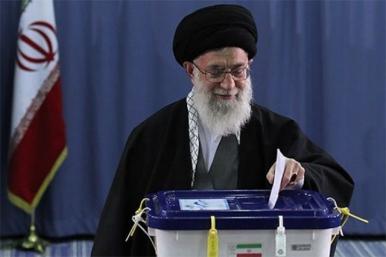
Iran's supreme leader, Ayatollah Ali Khamenei, casts his vote for president
Articles & Testimony
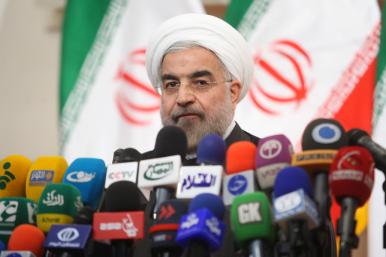
Iran's Election Will Change Nothing
World leaders need to be clear-eyed about the false facade of Iranian democracy, focusing instead on the regime's chronic regional meddling, terror sponsorship, and human rights abuses.
۱۶ مه ۲۰۱۷
◆
  • Dennis Ross
  • Jason Brodsky
تحلیل کوتاه
غیبت اسلام در انتخابات ایران
با توجه به ضعف نفوذ و جذابیت ایدئولوژی اسلامی، تنها راه برای طولانی تر کردن عمر رژیم، اصلاحات اقتصادی است – چشم اندازی دشوار با توجه به ضعف رئیس جمهور و مداخله ی مداوم نهادهای قدرتمند و غیر پاسخگو.
۱۶ مهٔ ۲۰۱۷
◆
  • مهدی خلجی
Articles & Testimony
Trump Can Set Big Things in Motion on His Mideast Trip
The upcoming regional tour is an opportunity to begin correcting Washington's flawed foreign policy.
۱۶ مه ۲۰۱۷
◆
  • Robert Satloff
Maps & Graphics
Brief Analysis
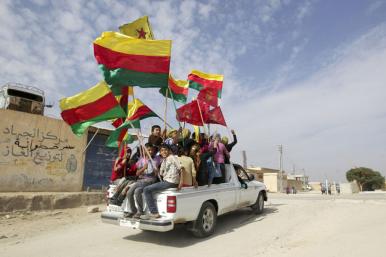
The Kurdish Path to Socialism in Syria
To maintain its dominant position and stay true to its ideological roots, the PYD is pushing socialist policies on a skeptical Rojava populace, with uncertain consequences for the future of the Syrian Kurdish zone.
۱۶ مه ۲۰۱۷
◆
  • Fabrice Balanche
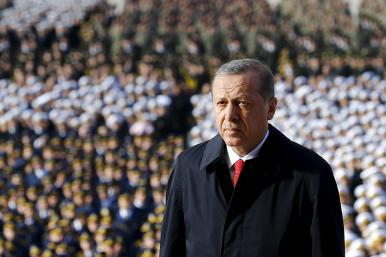
Turkish president Erdogan - Source: Reuters
Articles & Testimony
Why the Turkish President's Biography Should Tell Trump Everything He Needs to Know
Erdogan has always wanted to take revenge on the system that repeatedly persecuted Turkey's Islamist movement, his first political home.
۱۲ مه ۲۰۱۷
◆
  • Soner Cagaptay
Articles & Testimony
Transactional or Transcendent? Turkey's Ties to the European Union
The West's relationship with Ankara will become increasingly cold as long as populist leaders on both sides continue polarizing their constituents with anti-Muslim and anti-Western rhetoric.
۸ مه ۲۰۱۷
◆
  • Soner Cagaptay
  • Oya Aktas
Brief Analysis
Iran's Presidential Election: The Clergy's Political Irrelevance
As clerics are pushed ever further to the political margins, the regime will need to double down on its current strategy: relying more on security measures than spiritual authorities to ensure its survival.
۵ مه ۲۰۱۷
◆
  • Mehdi Khalaji
Brief Analysis
Iran's Presidential Election: The Economic Situation
Despite some positive growth indicators, Rouhani faces an uphill struggle to convince voters that his economic plan is truly best for them.
۳ مه ۲۰۱۷
◆
  • Patrick Clawson
Video
Inside Iran's 2017 Election: Economics, Politics, and National Security
In this short video, Institute scholars explain the economic, security, and political dynamics shaping Iran's 2017 presidential election and the future of Iranian policy.
۳ مه ۲۰۱۷
◆
  • Patrick Clawson
  • Nader Uskowi
  • Mehdi Khalaji
Brief Analysis
A Kurdish Referendum: Unforeseen Benefits
The KRG's independence referendum should be treated as a tactical bid to unify the Iraqi Kurds and strengthen their position toward Baghdad, but without jettisoning their gradualist approach.
۳ مه ۲۰۱۷
◆
  • Bilal Wahab
  • Rebwar Karim Mahmood
Brief Analysis
The Trump-Abbas Meeting: Issues, Constraints, and Ways Forward
Watch leading American, Israeli, and Palestinian experts preview Palestinian Authority leader Mahmoud Abbas' May 3 White House meeting with President Trump.
۲ مه ۲۰۱۷
◆
  • Ghaith al-Omari
  • Ehud Yaari
  • David Makovsky
  • Dennis Ross
Articles & Testimony
Iran's Ambitions in the Levant
A closer look at how Tehran plans to build (and hold onto) dual land corridors stretching across Iraq and Syria toward the Mediterranean.
۱ مه ۲۰۱۷
◆
  • Ehud Yaari
Brief Analysis
Iran's Presidential Election: Balancing Diplomacy and Confrontation
Washington's working relations with the next president should not preclude it from leading the fight against the IRGC's missile proliferation and regional militancy.
۱ مه ۲۰۱۷
◆
  • Nader Uskowi
Brief Analysis
Hamas's Moderate Rhetoric Belies Militant Activities
A softer tone in the Gaza group's new statement will mean nothing without parallel changes in its behavior.
۱ مه ۲۰۱۷
◆
  • Matthew Levitt
  • Maxine Rich
Articles & Testimony
100 Days of Trump Foreign Policy: Chaos to Moderation
No president has faced challenges like this since Reagan, and the patterns of the past thirty years are no longer a guide.
۲۸ آوریل ۲۰۱۷
◆
  • James Jeffrey

Pagination

  • Previous page ‹ Previous
  • First page « First
  • …
  • Page 56
  • Page 57
  • Page 58
  • Page 59
  • Current page 60
  • Page 61
  • Page 62
  • Page 63
  • Page 64
  • …
  • Last page Last »
  • Next page Next ›
Supported by the

Linda and Tony Rubin Program on Arab Politics

The Washington Institute's Linda and Tony Rubin Program on Arab Politics focuses on social, political, and economic developments in the Arab world, with an emphasis on the Arab countries of the Levant.

Sign Up for Email Updates from The Washington Institute

Never miss a breaking event on U.S. policy interests in the Middle East. Customize your subscription to our expert analysis, op-eds, live events, and special reports.


Sign up

Featured experts

David Schenker
دیوید شنکر
David Schenker is a Senior Fellow at The Washington Institute and former Assistant Secretary of State for Near Eastern Affairs.
Ghaith al-Omari
غیث العمری
*غیث العمری، هموند ارشد انستیتو واشنگتن و یکی از نویسندگان کتاب «خنثی سازی بشکه باروت غزه» است.
Hanin Ghaddar
حنین غدار
حنین غدار هموند فریدمن در برنامه گدولد در انستیتو واشنگتن است که بر سیاست‌ کشورهای عربی متمرکز است. در این برنامه، مطالعات او در حوزه سیاست‌های شیعیان در سرزمین شام است.
Background image with TWI branding
logo
wordmark
Homepage

1111 19th Street NW - Suite 500
Washington D.C. 20036
Tel: 202-452-0650
Fax: 202-223-5364

Footer contact links

  • تماس
  • اتاق خبر
  • Subscribe

هدف انستیتو واشنگتن، تعمیق درکی متعادل و واقع‌بینانه از منافع آمریکا در خاورمیانه و نیز پیشبردِ سیاست‌هایی برای حفظ آن منافع است.

انستیتو واشنگتن یک سازمان غیرانتفاعی دارای مجوز 501(c)3 است که تمامی کمک‌های مالی به آن شامل معافیت مالیاتی خواهد شد.

Footer quick links

  • درباره انستیتو واشنگتن
  • پشتیبانی از انستیتو
  • Alumni

Social media

  • The Washington Institute on Facebook facebook
  • The Washington Institute on X x
  • The Washington Institute on YouTube youtube
  • The Washington Institute on LinkedIn linkedin

© 2026 کلیه حقوق محفوظ است

Footer

  • استخدام
  • حریم خصوصی
  • حقوق و مجوزها