TWI logo The Washington Institute for Near East Policy
logo
wordmark
Homepage

Main navigation

  • تحلیل‌ها
  • کارشناسان
  • درباره‌ما
  • پشتیبانی
  • نقشه و چند رسانه‌ای
مباحث روز :
  • تروریسم
  • رقابت قدرت‌های بزرگ
  • ایران
  • لبنان
  • کشورهای حاشیه‌خلیج فارس

منطقه‌ها و کشورها

  • اردن
  • اسرائیل
  • ایران
  • ترکیه
  • سوریه
  • شمال آفریقا
  • عراق
  • فلسطینی‌ها
  • لبنان
  • مصر
  • کشورهای حاشیه‌خلیج فارس

موضوع

  • انرژی و اقتصاد
  • تروریسم
  • خلیج و سیاست حوزه انرژی
  • دمکراسی و اصلاح
  • رقابت قدرت‌های بزرگ
  • روابط عرب و اسرائیل
  • سیاست آمریکا
  • عرب و اسلام سیاسی
  • فرایند صلح
  • منع اشاعه
  • نظامی و امنیتی
TWI English
TWI Arabic: اللغة العربية Fikra Forum

عرب و اسلام سیاسی

Policy Analysis on عرب و اسلام سیاسی

Filter by:

Articles & Testimony
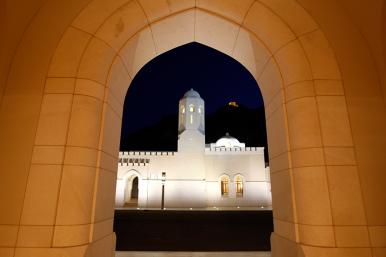
The Omani Succession Envelope, Please
Sultan Qaboos is ailing, and no one knows who will take over his role as the last word on all aspects of Oman's regional policy.
۳ آوریل ۲۰۱۷
◆
  • Simon Henderson
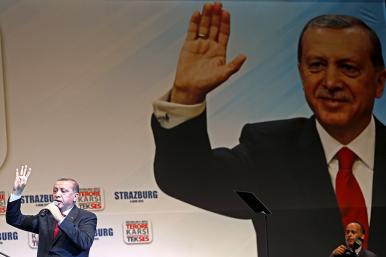
Turkish President Recep Tayyip Erdogan delivers a speech
Articles & Testimony
Erdogan Is Dividing Turkey Against Itself
A demonize-and-polarize strategy has worked for the Turkish president in the past, but it may ultimately tear his country apart.
۳۱ مارس ۲۰۱۷
◆
  • Soner Cagaptay
Articles & Testimony
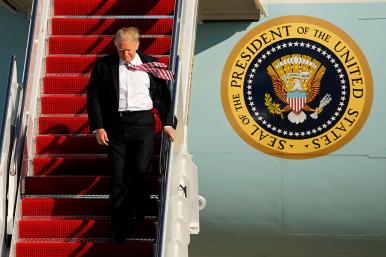
Can Trump Cut a Deal With Egypt?
Washington has a strong hand to ask for real concessions on issues such as aid priorities and prosecution of Americans, as well as clarification of Russia's reported military deployments.
۳۰ مارس ۲۰۱۷
◆
  • Eric Trager
Articles & Testimony
Why the Words We Use About Terrorism Matter
Jihadists have become uniquely sensitized to the doctrinal and political stakes in their own names, so the United States should think carefully about the labels it applies to groups like the Islamic State.
۳۰ مارس ۲۰۱۷
◆
  • Jacob Olidort
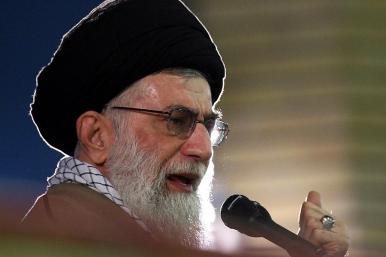
Iran's supreme leader, Ayatollah Ali Khamenei, speaking
Brief Analysis
Khamenei's Nowruz Nuances
The Supreme Leader's two New Year's speeches provide a valuable look at the regime's internal dynamics as it attempts to balance economic concerns, electoral maneuvers, regional pan-Shiite issues, and the nascent policies of a new American administration.
۲۲ مارس ۲۰۱۷
◆
  • Mehdi Khalaji
Articles & Testimony
The Power Struggle for the Throne and the Saudi 'Reset' With Trump
Palace intrigue and regional war could complicate the budding romance between Riyadh and the Trump administration.
۲۲ مارس ۲۰۱۷
◆
  • Simon Henderson
In-Depth Reports
Eyeing Raqqa
A Tale of Four Tribes
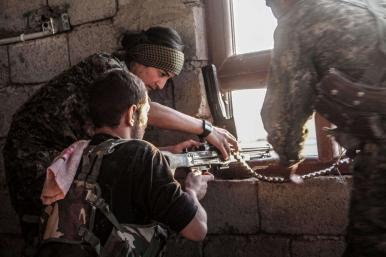
For the past three years, the Islamic State has held Raqqa, the capital of its self-proclaimed caliphate. But lately, both the U.S.-backed, Kurdish-based Syrian Democratic Forces and the Turkish-backed Euphrates Shield forces have stated their intention to take Raqqa, raising complex questions about future governance in eastern Syria. Whatever the
۲۱ مارس ۲۰۱۷
◆
  • Andrew J. Tabler
Articles & Testimony
The Moroccan King Dismisses an Islamist Prime Minister
Given the PJD's popularity, the king's decision is surprising and seemingly risky, but the Islamist party may choose to accept the compromise and move forward.
۱۷ مارس ۲۰۱۷
◆
  • Vish Sakthivel
Brief Analysis
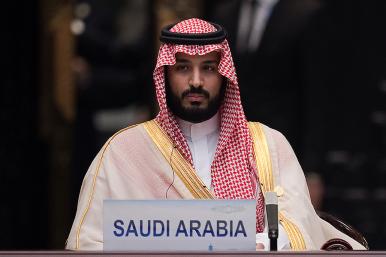
Saudi Arabia's Future Meets the Trump Administration
Talks this week with the Saudi deputy crown prince are expected to cover current issues including Iran, "radical Islamic terrorism," Syria, and Yemen, as well as perspectives on the longer-term future of the Middle East.
۱۳ مارس ۲۰۱۷
◆
  • Simon Henderson
Articles & Testimony
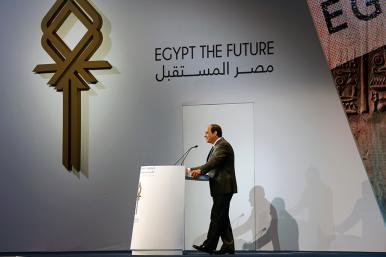
Sisi's Domesticated Foreign Policy
Much to his Gulf allies' chagrin, Egypt's president has not toed their anti-Iranian line in the region, instead following his own pattern of supporting state actors against non-state actors.
۸ مارس ۲۰۱۷
◆
  • Eric Trager
Articles & Testimony
U.S. Credibility in the Middle East
Symbolic gestures from Washington can be especially effective in a region where context is often more important than substance, and whose conflicts are based around perceptions of those contexts.
۸ مارس ۲۰۱۷
◆
  • Jacob Olidort
Articles & Testimony
Burning Questions for Trump on the Middle East: We Still Don't Know Where His Gut Instincts Are
Short-term benefits aside, America's partners in the Middle East will all suffer in the end if estrangement from the region becomes the norm of U.S. foreign policy.
۷ مارس ۲۰۱۷
◆
  • Robert Satloff
Fikra Forum
Fikra Forum
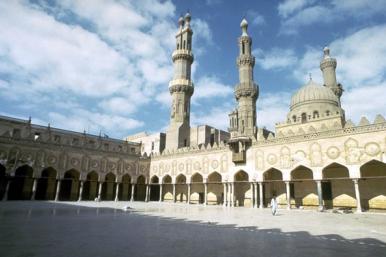
Al-Azhar and the President: Breaking Down the Relationship
March 6, 2017 On January 24, during a speech for National Police Day, President Sisi – to everyone’s surprise – brought up the issue of the high divorce rate in Egypt and its dangerous impact on family security and stability, calling for an amendment of divorce laws. According to Sisi’s
۶ مارس ۲۰۱۷
◆
  • Maged Atef
Articles & Testimony
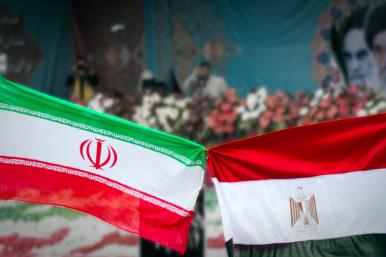
What an Egyptian-Iranian Thaw Would Mean for U.S. Foreign Policy in the Region
If Washington fails to address Egypt's financial problems, its dispute with Saudi Arabia, and its over-emphasis on the dangers of Sunni Islamism, then American efforts to contain Iran could be in jeopardy.
۴ مارس ۲۰۱۷
◆
  • Haisam Hassanein
Articles & Testimony
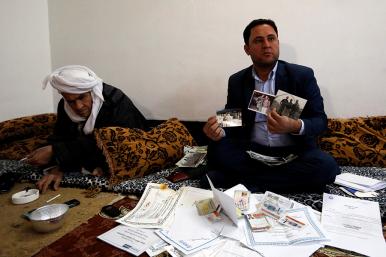
The 'End of the Beginning': The Stabilization of Mosul and Future U.S. Strategic Objectives in Iraq
An Iraq expert offers detailed advice on how the U.S.-led coalition can avoid another Islamic State comeback, explaining the cascade of negative effects that have followed previous American withdrawals.
۲۸ فوریه ۲۰۱۷
◆
  • Michael Knights
Articles & Testimony
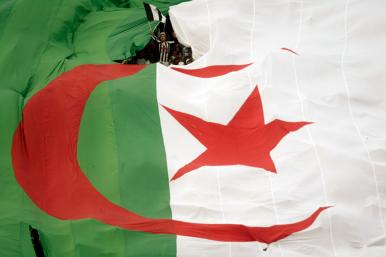
Can Algeria's Fractured Islamists Retain Their Appeal as a Movement?
Ahead of parliamentary elections in May, Algeria’s fractious Islamist parties have announced unlikely new sets of electoral blocs. The confusing new coalitions are not just the latest iteration of the alphabet soup of Algeria’s Islamists. They also reflect the enduring limitations of Islamist party politics, which present an incomplete picture
۲۷ فوریه ۲۰۱۷
◆
  • Vish Sakthivel
Brief Analysis
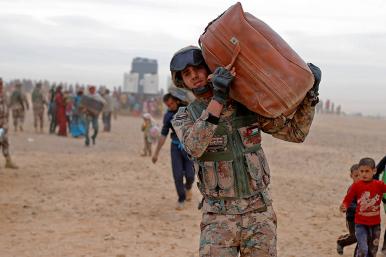
A Safe Zone in Southern Syria: Jordan's Role
At a time when Russia is firmly in the Syrian driver's seat and Assad shows no sign of going away, brokering a deal to establish a humanitarian buffer area would be one way to address Washington and Amman's pressing concerns about ongoing refugee flows.
۲۷ فوریه ۲۰۱۷
◆
  • David Schenker
Brief Analysis
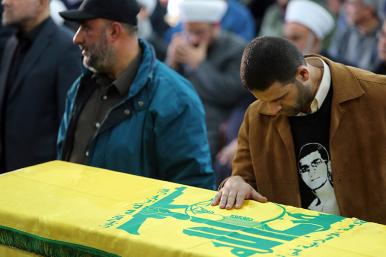
Hezbollah Losing Its Luster Under Soleimani
Many Hezbollah fighters believe their Iranian supervisor in Syria views them as easily replaceable Arab cannon fodder, and the resultant tension is generating disillusionment about Tehran's claims of pan-Shiite unity.
۲۲ فوریه ۲۰۱۷
◆
  • Hanin Ghaddar
Brief Analysis
Middle Eastern Reactions to the U.S. Travel Ban
As the Trump administration prepares to revise its controversial entry restrictions, a sampling of quotes from officials around the region indicates that certain provisions will be a hard sell abroad.
۲۲ فوریه ۲۰۱۷
Articles & Testimony
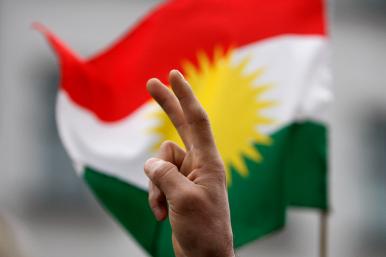
Why Two New Kurdistans Are Better Than One
The rise of the Islamic State brought the Kurds together, but its impending fall now threatens to tear them apart.
۲۲ فوریه ۲۰۱۷
◆
  • Bilal Wahab

Pagination

  • Previous page ‹ Previous
  • First page « First
  • …
  • Page 58
  • Page 59
  • Page 60
  • Page 61
  • Current page 62
  • Page 63
  • Page 64
  • Page 65
  • Page 66
  • …
  • Last page Last »
  • Next page Next ›
Supported by the

Linda and Tony Rubin Program on Arab Politics

The Washington Institute's Linda and Tony Rubin Program on Arab Politics focuses on social, political, and economic developments in the Arab world, with an emphasis on the Arab countries of the Levant.

Sign Up for Email Updates from The Washington Institute

Never miss a breaking event on U.S. policy interests in the Middle East. Customize your subscription to our expert analysis, op-eds, live events, and special reports.


Sign up

Featured experts

David Schenker
دیوید شنکر
David Schenker is a Senior Fellow at The Washington Institute and former Assistant Secretary of State for Near Eastern Affairs.
Ghaith al-Omari
غیث العمری
*غیث العمری، هموند ارشد انستیتو واشنگتن و یکی از نویسندگان کتاب «خنثی سازی بشکه باروت غزه» است.
Hanin Ghaddar
حنین غدار
حنین غدار هموند فریدمن در برنامه گدولد در انستیتو واشنگتن است که بر سیاست‌ کشورهای عربی متمرکز است. در این برنامه، مطالعات او در حوزه سیاست‌های شیعیان در سرزمین شام است.
Background image with TWI branding
logo
wordmark
Homepage

1111 19th Street NW - Suite 500
Washington D.C. 20036
Tel: 202-452-0650
Fax: 202-223-5364

Footer contact links

  • تماس
  • اتاق خبر
  • Subscribe

هدف انستیتو واشنگتن، تعمیق درکی متعادل و واقع‌بینانه از منافع آمریکا در خاورمیانه و نیز پیشبردِ سیاست‌هایی برای حفظ آن منافع است.

انستیتو واشنگتن یک سازمان غیرانتفاعی دارای مجوز 501(c)3 است که تمامی کمک‌های مالی به آن شامل معافیت مالیاتی خواهد شد.

Footer quick links

  • درباره انستیتو واشنگتن
  • پشتیبانی از انستیتو
  • Alumni

Social media

  • The Washington Institute on Facebook facebook
  • The Washington Institute on X x
  • The Washington Institute on YouTube youtube
  • The Washington Institute on LinkedIn linkedin

© 2026 کلیه حقوق محفوظ است

Footer

  • استخدام
  • حریم خصوصی
  • حقوق و مجوزها