Skip to main content
The Washington Institute for Near East Policy
Menu
Toggle Main Menu
Homepage
Main navigation
تحلیلها
کارشناسان
دربارهما
پشتیبانی
نقشه و چند رسانهای
مباحث روز :
تروریسم
رقابت قدرتهای بزرگ
ایران
لبنان
کشورهای حاشیهخلیج فارس
Toggle List of
منطقهها
منطقهها و کشورها
اردن
اسرائیل
ایران
ترکیه
سوریه
شمال آفریقا
عراق
فلسطینیها
لبنان
مصر
کشورهای حاشیهخلیج فارس
موضوع
انرژی و اقتصاد
تروریسم
خلیج و سیاست حوزه انرژی
دمکراسی و اصلاح
رقابت قدرتهای بزرگ
روابط عرب و اسرائیل
سیاست آمریکا
عرب و اسلام سیاسی
فرایند صلح
منع اشاعه
نظامی و امنیتی
Close List of All Regions and Issues
Close
Search Policy Analysis
TWI English
TWI Arabic:
اللغة العربية
Fikra Forum
Close Menu
Close
Search Policy Analysis
جستجو
All Policy Analysis by فرزین ندیمی
Filter by:
Keyword
Region
- Any -
مصر
کشورهای حاشیهخلیج فارس
ایران
عراق
اسرائیل
اردن
لبنان
شمال آفریقا
فلسطینیها
سوریه
ترکیه
Issue
- Any -
عرب و اسلام سیاسی
روابط عرب و اسرائیل
دمکراسی و اصلاح
انرژی و اقتصاد
رقابت قدرتهای بزرگ
خلیج و سیاست حوزه انرژی
نظامی و امنیتی
فرایند صلح
منع اشاعه
تروریسم
سیاست آمریکا
تاریخ انتشار
- Any -
Past 7 Days
Past 30 Days
Past Year
Custom range...
Start date
End date
Type
- Any -
مقالهها و دیدگاهها
تحلیل کوتاه
گزارشهای تفصیلی
Sort by
Oldest first
Newest first
Found
159
results
Brief Analysis
How Iran Might Rebuild Its Devastated Military: Courting Risk by Reinforcing Success
Tehran will likely double down on missiles and drones—its most effective weapons during recent conflicts—creating path dependencies that could become critical vulnerabilities if U.S. and partner countermeasures improve further.
۱۵ سپتامبر ۲۰۲۶
◆
Michael Eisenstadt
Farzin Nadimi
Maps & Graphics
Brief Analysis
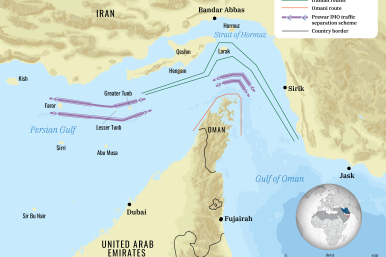
Reaching Viable Management Arrangements in the Strait of Hormuz
Any postwar system must preserve the “transit passage” regime, enable ships to safely resume use of the original IMO route, and reject mandatory fees, veto rights, or other Iranian tactics for exerting permanent control over one of the world’s most critical energy chokepoints.
۵ اوت ۲۰۲۶
◆
Noam Raydan
Farzin Nadimi
Brief Analysis
Changing Iran’s Coercive Calculus Requires More Than Massing U.S. Forces
Regardless of where the current round of escalation goes, Tehran will continue using ceasefires, front-loaded sanctions waivers, and tit-for-tat attack cycles as opportunities to reconstitute its forces until Washington imposes hard, verifiable limits on its fastest-recovering asymmetric capabilities.
۲۴ ژوئیه ۲۰۲۶
◆
Farzin Nadimi
Brief Analysis
Countering Iran’s Latest “Smart Control” Gambit in the Strait of Hormuz
Tehran is hoping that its Persian Gulf Strait Authority will establish “facts on the ground” and give it leverage at the negotiating table, so Washington and its partners need to respond right away with a suite of military, economic, and diplomatic countermeasures.
۳ ژوئن ۲۰۲۶
◆
Farzin Nadimi
Brief Analysis
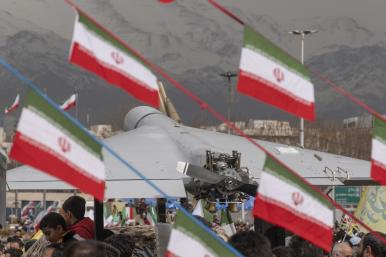
Iran’s Drone Strategy (Part 1): Wartime Performance and Adaptations
The war has shown that Iran’s one-way attack drones are highly adaptable tools of coercion and military effect, able to continue imposing costs across the Gulf region and beyond even after heavy losses.
۲۲ مه ۲۰۲۶
◆
Farzin Nadimi
Brief Analysis
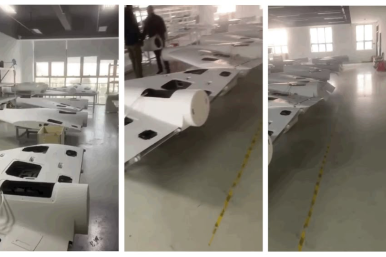
Iran’s Drone Strategy (Part 2): Preventing Postwar Rebuilding and Advancements
Tehran’s drone ecosystem has been hit hard, but not at its roots—with help from Russia and China, the regime could restore many of the program’s capabilities within months while steadily working toward more dangerous next-generation models.
۲۲ مه ۲۰۲۶
◆
Farzin Nadimi
Brief Analysis
Zolghadr at the Top of Iranian Security
His appointment as SNSC secretary shows that the regime is relying on a veteran hardliner to manage the crisis and preserve control.
۲۶ مارس ۲۰۲۶
◆
Farzin Nadimi
Brief Analysis
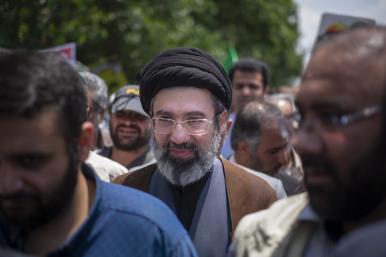
What Kind of Supreme Leader Would Mojtaba Khamenei Be?
Given his strong ties to the IRGC, Khamenei’s son might pursue extreme strategic options.
۵ مارس ۲۰۲۶
◆
Patrick Clawson
Farzin Nadimi
Brief Analysis
Iran at a Watershed Moment? The Case for Meaningful U.S. Action
Acting now offers the best chance to halt atrocities and shape a peaceful transition, while waiting would only ensure that the next phase of the crisis is bloodier for Iranians, more dangerous for the region, and more difficult to influence.
۱۳ ژانویه ۲۰۲۶
◆
Farzin Nadimi
Patrick Clawson
Brief Analysis
Iran’s Failing Eastward Pivot? The Limits and Risks of Russia-China Alignment
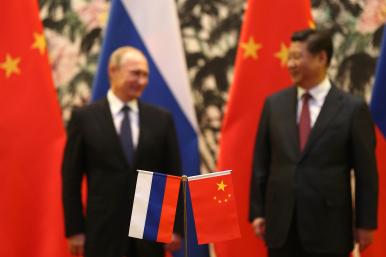
Since the June war, Tehran has hastily doubled down on Russian and Chinese partnerships to weather sanctions and deter future attacks, but Moscow and Beijing are hesitant to invest deeply in return—and Washington should make sure they stay that way.
۳۰ دسامبر ۲۰۲۵
◆
Farzin Nadimi
Brief Analysis
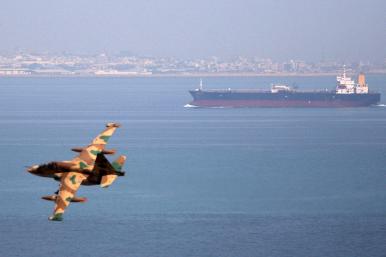
After Snapback, Washington Needs to Prepare for Iranian Escalation in the Gulf
Given Tehran’s long record of using maritime provocations to counter increased international pressure, the United States and its partners must be ready to respond swiftly and forcefully against ship seizures, mine warfare, suicide drones, and more.
۱۶ سپتامبر ۲۰۲۵
◆
Farzin Nadimi
Maps & Graphics
Brief Analysis
Lethal Attacks Show Strengthened Houthi Control over Red Sea Transit
The latest attacks make clear that the international community must guarantee the freedom and safety of all ships transiting the Red Sea, combining a permanent military mission with assistance from regional countries and private security firms.
۱۶ ژوئیه ۲۰۲۵
◆
Noam Raydan
Farzin Nadimi
◆
Maritime Spotlight
Brief Analysis
Back to the Table? Recommendations for Negotiations with Iran
A compilation of views on the next round of prospective talks with Iran, sanctions relief options, military and technical considerations, the international role, and more.
۲۷ ژوئن ۲۰۲۵
◆
Dennis Ross
Richard Nephew
Farzin Nadimi
Patrick Clawson
Michael Singh
Grant Rumley
Anna Borshchevskaya
Video
Brief Analysis
The Bigger Picture in the Iran-Israel Conflict: Russia, Missiles, Militias, and More
Four experts assess how outside players might respond to the showdown, and whether Tehran will switch up its calculus on procurement, attack tactics, and other military matters as the fight goes on.
۲۳ ژوئن ۲۰۲۵
◆
Anna Borshchevskaya
Michael Knights
Farzin Nadimi
Assaf Orion
Brief Analysis
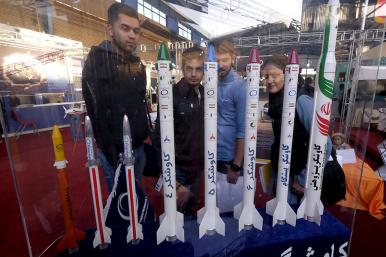
Nuclear Talks and Iran’s Missile Program: Addressing the Overlooked Arsenal
Given Iran’s unchecked missile buildup since the last nuclear deal, any future agreement should include enforceable limits on the development and stockpiling of long-range missiles to ensure lasting regional security and nonproliferation.
۳ ژوئن ۲۰۲۵
◆
Farzin Nadimi
Fikra Forum
Fikra Forum
Countering Iran's Deceptive Behavior in Nuclear Negotiations
In negotiations, the Iranian regime prefers to operate discreetly and secretly, allowing Tehran to shape the information spectrum and protract talks to buy time and wear down their negotiation counterparts. By shining light on the diplomatic process, U.S. policymakers can provide a counter-narrative that takes to task Iranian intransigence and provides accurate information for the Iranian public.
۱۷ آوریل ۲۰۲۵
◆
Farzin Nadimi
Brief Analysis
Despite the Houthi Pledge to Limit Attacks, the Red Sea Remains Highly Volatile
The Houthis have shown little willingness or ability to accurately distinguish between the ships they target, leaving Washington and its partners with no choice but to doubt the group’s supposed “ceasefire” and keep up the pressure.
۲۷ ژانویه ۲۰۲۵
◆
Noam Raydan
Farzin Nadimi
Brief Analysis
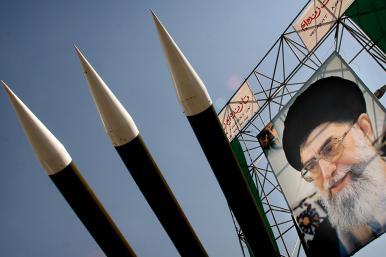
Can Iran Restore Its Missile Mojo?
Despite questions about the utility of its huge missile arsenal—whose importance has only increased since the collapse of the “axis of resistance”—Iran will likely double down on this capability to ensure the viability of its military strategy.
۲۳ دسامبر ۲۰۲۴
◆
Michael Eisenstadt
Farzin Nadimi
Maps & Graphics
Brief Analysis
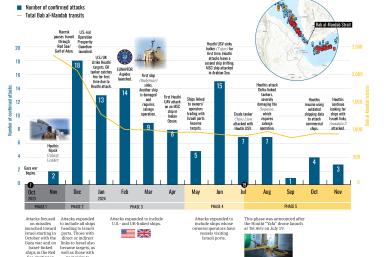
Houthi Shipping Attacks: Patterns and Expectations for 2025
Two experts offer a detailed infographic and accompanying analysis to chart attack trends over the past year and forecast what’s in store for the Red Sea and surrounding waterways.
۱۶ دسامبر ۲۰۲۴
◆
Noam Raydan
Farzin Nadimi
Brief Analysis
How the B-2 Can Help Reinforce U.S. Messaging to Iran
Amid serious escalation in the Middle East, the United States should more clearly frame its recent deployment of B-2 and B-52 bombers to the region as a warning to Iran—and reinforce this with more posturing, messaging, and accelerated deployment of deep penetrators.
۲۱ نوامبر ۲۰۲۴
◆
Farzin Nadimi
James E. Shepard
Pagination
Current page
1
Page
2
Page
3
Page
4
Page
5
Page
6
Page
7
Page
8
Last page
Last »
Next page
››