- Policy Analysis
- Articles & Op-Eds
Despite Pipeline Talks, Hormuz Will Remain Key to Iraq’s Oil Exports
Also published in Seatrade Maritime News
Iraqi sales to Asian markets rely heavily on the strait, and efforts to establish viable alternative routes would have to overcome considerable logistical challenges—not to mention Baghdad’s bad track record with pipelines.
Amid the protracted crisis in the Strait of Hormuz, Iraq has been racing to find new outlets and methods to export its crude and petroleum products. The economy of OPEC’s second-largest oil producer after Saudi Arabia is heavily dependent on oil revenues, which make up about 90% of its budget. The majority of Iraq’s crude oil exports, which exceeded 3 million barrels per day prior to the Iran war, relied on the Strait of Hormuz, in addition to oil products such as high sulfur straight run fuel oil. The country’s three top oil customers over the past two years have been in Asia: China, India, and South Korea, data from Kpler shows.
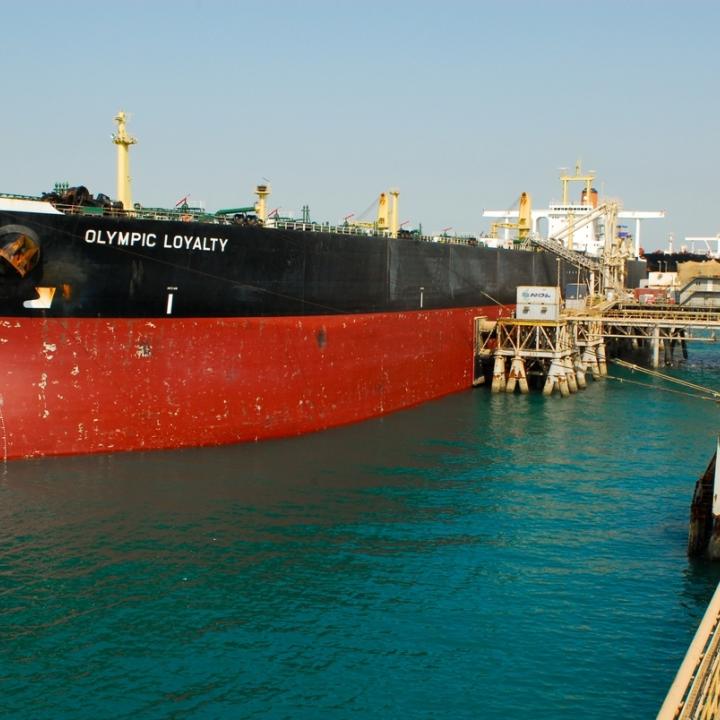
While Iraq has major oilfields in both the northern and southern regions, it is the latter that account for the bulk of its crude exports. These are shipped from offshore Gulf terminals in Iraqi waters, which allow very large crude carriers to load there. For these exports, the Strait of Hormuz remains critical due to the absence of an effective pipeline system that would allow substantial volumes of Basrah crude produced in the southern region to be transported north and from there exported via an existing pipeline to Turkey’s Mediterranean port of Ceyhan. Iraq has on several occasions spoken of plans to build new pipelines. However, several factors, ranging from domestic politics, conflicts and geopolitics to bureaucracy, corruption, security risks, and finances, have impeded these plans...