

TWI logo The Washington Institute for Near East Policy
logo
wordmark
Homepage

Main navigation

  • تحلیل‌ها
  • کارشناسان
  • درباره‌ما
  • پشتیبانی
  • نقشه و چند رسانه‌ای
مباحث روز :
  • نظامی و امنیتی
  • انرژی و اقتصاد
  • ایران
  • لبنان
  • کشورهای حاشیه‌خلیج فارس

منطقه‌ها و کشورها

  • اردن
  • اسرائیل
  • ایران
  • ترکیه
  • سوریه
  • شمال آفریقا
  • عراق
  • فلسطینی‌ها
  • لبنان
  • مصر
  • کشورهای حاشیه‌خلیج فارس

موضوع

  • انرژی و اقتصاد
  • تروریسم
  • خلیج و سیاست حوزه انرژی
  • دمکراسی و اصلاح
  • رقابت قدرت‌های بزرگ
  • روابط عرب و اسرائیل
  • سیاست آمریکا
  • عرب و اسلام سیاسی
  • فرایند صلح
  • منع اشاعه
  • نظامی و امنیتی
TWI English
TWI Arabic: اللغة العربية Fikra Forum

نظامی و امنیتی

Policy Analysis on نظامی و امنیتی

Filter by:

Articles & Testimony
Globalized Jihad, Then (1993) and Now
Fifteen years from now, when classified documents produced today begin to be declassified, we will surely look back with some discomfort and see just how far off some of our judgments were when written in 2008. Such is the nature of intelligence assessments. What would be worse, however, would be
۱۱ مارس ۲۰۰۸
◆
  • Matthew Levitt
Brief Analysis
Weapon of Terror:
Development and Impact of the Qassam Rocket
Qassam rockets -- unsophisticated weapons manufactured in garages and backroom laboratories -- have transformed the strategic equation of the Israeli-Palestinian conflict. These crude rockets give Palestinian terrorist organizations the capability to strike deep into Israeli territory, throwing the security assumptions behind future peace negotiations into doubt. Background Qassam rockets --
۱۱ مارس ۲۰۰۸
Brief Analysis
Looming Challenges in the War on Terror
The director of the National Counterterrorism Center shares a high-level briefing on U.S. counterterrorism strategy.
۱۳ فوریه ۲۰۰۸
◆
  • Michael Leiter
◆ Counterterrorism Lecture Series
Articles & Testimony
Artificial Intelligence
Though the White House press release read "President Bush to travel to Middle East to follow up on progress made at Annapolis," his January trip actually centered on Iran, a country he did not visit. America's friends -- the Persian Gulf monarchs as well as Israel -- fear that the
۱ فوریه ۲۰۰۸
Brief Analysis
Winograd Part II:
Implications for U.S.-Israeli Relations
On January 30, retired Israeli judge Eliyahu Winograd released his much-anticipated second report on government decisionmaking during the summer 2006 Lebanon war. It did not issue a deathblow to Israeli prime minister Ehud Olmert, but instead described the breakdown in U.S.-Israeli strategic coordination as the principal rationale for Olmert's decision
۱ فوریه ۲۰۰۸
◆
  • David Makovsky
Brief Analysis
Iranian Threats and the UN Sanctions Debate
On January 26, Hussein Shariatmadari -- the publisher of Iran's most influential newspaper and a close confidant of Supreme Leader Ali Khamenei -- stated that attacks on "Zionists, Americans, and European countries that support Israel," as well as on compliant regional rulers, were both morally permissible and easily carried out
۲۹ ژانویه ۲۰۰۸
◆
  • Patrick Clawson
In-Depth Reports
U.S. Foreign Policy and Israel's Qualitative Military Edge:
The Need for a Common Vision
The U.S. commitment to maintain Israel's qualitative military edge (QME) -- that is, the technological, tactical, and other advantages that allow it to deter numerically superior adversaries -- is a longstanding tradition that every president since Lyndon Johnson has reiterated. Today, however, Israel's relations with Arab countries are more complicated
۲۴ ژانویه ۲۰۰۸
Articles & Testimony
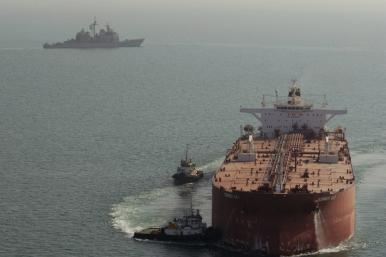
Iran's Small Boats Are a Big Problem
The confrontation this month in the Persian Gulf between Navy warships and small boats of Iran's Revolutionary Guard may have come as a surprise to the public at large, but not to me. I witnessed a very similar event five years ago during the invasion of Iraq. It was April
۲۰ ژانویه ۲۰۰۸
◆
  • David B. Crist
Brief Analysis
Domestic Issues Trump Foreign Policy in Iran
At each stop on his recent Middle East tour, President Bush centered his foreign policy agenda on the growing threat from Iran. But inside the Islamic Republic, domestic policies -- and not the international issues that Bush highlighted -- are at the center of political debate. Economic Issues Top Agenda
۱۸ ژانویه ۲۰۰۸
◆
  • Mehdi Khalaji
In-Depth Reports
Autumn of Decisions:
A Critical Moment for American Engagement in the Middle East
The 2007 Weinberg Founders Conference explored a number of critical issues, with an eye toward the overall direction of U.S. Middle East policy as the Bush administration enters its final year in office. In keynote plenary sessions and breakout seminars, and over coffee in the hallways, a select group of
۱۷ ژانویه ۲۰۰۸
Articles & Testimony
Contending with Iran's Nuclear Intentions and Capabilities
This week, the U.S. intelligence community released to Capitol Hill the unclassified key judgments of its latest National Intelligence Estimate (NIE) on Iran's nuclear intentions and capabilities. The new estimate opens with the startling judgment that Tehran halted its nuclear weapons program in the fall of 2003, which is sure
۵ دسامبر ۲۰۰۷
Brief Analysis
U.S.-Israeli Dialogue on Iran's Nuclear Program
The United States and Israel have long shared a "special relationship," but significant obstacles may exist to a substantive and comprehensive bilateral dialogue on issues related to the Iranian nuclear threat. On particularly sensitive issues, sovereign nations are loath to discuss openly their intentions and capabilities, even with their closest
۴ دسامبر ۲۰۰۷
◆
  • Chuck Freilich
In-Depth Reports
Speaking about the Unspeakable:
U.S.-Israeli Dialogue on Iran's Nuclear Program
Despite the longstanding and ever-evolving "special relationship" between the United States and Israel, the two allies do not appear to have engaged in substantive discussions on key facets of their most pressing mutual concern, the Iranian nuclear threat. Specifically, there has been little if any dialogue on the possibility of
۳ دسامبر ۲۰۰۷
◆
  • Chuck Freilich
Articles & Testimony
Mesopotamian Muddle
Rarely have we faced more daunting problems in the Middle east and seemed farther away from resolving or even defusing them. There is surely no more important foreign-policy priority than finding ways to ameliorate the challenges and conflicts that confront us in the region. This won't be done with slogans
۱ دسامبر ۲۰۰۷
◆
  • Dennis Ross
Major PKK Positions in Northern Iraq: East (JPG)
A map of PKK positions in the eastern portion of northern Iraq. Copyright 2007 The Washington Institute
۲۴ اکتبر ۲۰۰۷
Major PKK Positions in Northern Iraq: West (JPG)
A map of PKK positions in the western portion of northern Iraq. Copyright 2007 The Washington Institute
۲۴ اکتبر ۲۰۰۷
Articles & Testimony
Stagecraft, Not Statecraft:
Diagnosing Bush's Failure in Iraq
From "Mission Accomplished" to his September trip to Anbar province, President Bush has excelled at stagecraft when it comes to Iraq. Pulling rabbits out of hats and waving scarves like a diplomatic David Copperfield, he has staged events and shaped imagery to build support for his strategies, while undercutting his
۲۲ اکتبر ۲۰۰۷
◆
  • Dennis Ross
Vice President Richard B. Cheney addresses the 2007 Weinberg Founders Conference - source: The Washington Institute
Articles & Testimony
Vice President Cheney:
Address to The Washington Institute's Weinberg Founders Conference
On October 21, 2007, Vice President Richard Cheney delivered a special address to The Washington Institute's 2007 Weinberg Founders Conference.
۲۲ اکتبر ۲۰۰۷
◆
  • Richard B. Cheney
In-Depth Reports
America's Future Direction in Iraq
On October 21, 2007, J.D. Crouch and Antony Blinken addressed The Washington Institute's Weinberg Founders Conference. Mr. Crouch formerly served as assistant to the president and deputy national security advisor. Mr. Blinken is a majority staff director of the Senate Foreign Relations Committee and senior foreign policy advisor to the
۲۰ اکتبر ۲۰۰۷
In-Depth Reports
What Does Iran Want in the Region?
On October 20, 2007, Stephen Grummon, Ahmad Rafat, Kassem Jaafar, and Brig. Gen. Mark Kimmitt addressed The Washington Institute's Weinberg Founders Conference. Mr. Grummon heads Greentree Enterprises, an international research and training firm, and is former director of the Office of Middle East Analysis in the State Department's Bureau of
۲۰ اکتبر ۲۰۰۷

Pagination

  • Previous page ‹ Previous
  • First page « First
  • …
  • Page 130
  • Page 131
  • Page 132
  • Page 133
  • Current page 134
  • Page 135
  • Page 136
  • Page 137
  • Page 138
  • …
  • Last page Last »
  • Next page Next ›
Supported by the

Military and Security Studies Program

The Washington Institute's Military and Security Studies Program has established itself as an unrivaled source of reliable, incisive, and forward-looking analysis concerning several of the most critical national-security challenges facing the United States today: The U.S. military role in the Middle East, Iran's nuclear program and its proxy armies, the ongoing conflict is in Iraq, Lebanon, Syria, and Yemen, the regional proliferation of missiles and weapons of mass destruction, the security dimensions of the Arab-Israeli conflict, and many other security issues on the frontline of the U.S. policymaking agenda.

Sign Up for Email Updates from The Washington Institute

Never miss a breaking event on U.S. policy interests in the Middle East. Customize your subscription to our expert analysis, op-eds, live events, and special reports.


Sign up

Featured experts

Michael Eisenstadt
مایکل آیزنستات
مایکل آیزنستات هموند دیوید کان و داگلاس کان و مدیر برنامه مطالعات امنیتی و نظامی انستیو واشنگتن است.
Grant Rumley
گرانت راملی
گرانت راملی هموند ارشد انستیتو واشنگتن و مشاور سابق سیاست‌گذاری خاورمیانه در دفتر وزیر دفاع است.
Elizabeth Dent - source: The Washington Institute
Elizabeth Dent
Elizabeth Dent is the Nathan and Esther K. Wagner Senior Fellow at the Washington Institute for Near East Policy, where she focuses on U.S. foreign and defense policy toward the Gulf states, Iraq, and Syria.
Background image with TWI branding
logo
wordmark
Homepage

1111 19th Street NW - Suite 500
Washington D.C. 20036
Tel: 202-452-0650
Fax: 202-223-5364

Footer contact links

  • تماس
  • اتاق خبر
  • Subscribe

هدف انستیتو واشنگتن، تعمیق درکی متعادل و واقع‌بینانه از منافع آمریکا در خاورمیانه و نیز پیشبردِ سیاست‌هایی برای حفظ آن منافع است.

انستیتو واشنگتن یک سازمان غیرانتفاعی دارای مجوز 501(c)3 است که تمامی کمک‌های مالی به آن شامل معافیت مالیاتی خواهد شد.

Footer quick links

  • درباره انستیتو واشنگتن
  • پشتیبانی از انستیتو
  • Alumni

Social media

  • The Washington Institute on Facebook facebook
  • The Washington Institute on X x
  • The Washington Institute on YouTube youtube
  • The Washington Institute on LinkedIn linkedin

© 2026 کلیه حقوق محفوظ است

Footer

  • استخدام
  • حریم خصوصی
  • حقوق و مجوزها