Skip to main content
The Washington Institute for Near East Policy
Menu
Toggle Main Menu
Homepage
Main navigation
تحلیلها
کارشناسان
دربارهما
پشتیبانی
نقشه و چند رسانهای
مباحث روز :
نظامی و امنیتی
انرژی و اقتصاد
ایران
لبنان
کشورهای حاشیهخلیج فارس
Toggle List of
منطقهها
منطقهها و کشورها
اردن
اسرائیل
ایران
ترکیه
سوریه
شمال آفریقا
عراق
فلسطینیها
لبنان
مصر
کشورهای حاشیهخلیج فارس
موضوع
انرژی و اقتصاد
تروریسم
خلیج و سیاست حوزه انرژی
دمکراسی و اصلاح
رقابت قدرتهای بزرگ
روابط عرب و اسرائیل
سیاست آمریکا
عرب و اسلام سیاسی
فرایند صلح
منع اشاعه
نظامی و امنیتی
Close List of All Regions and Issues
Close
Search Policy Analysis
TWI English
TWI Arabic:
اللغة العربية
Fikra Forum
Close Menu
Close
Search Policy Analysis
جستجو
Policy Analysis
Filter by:
Keyword
Region
- Any -
مصر
کشورهای حاشیهخلیج فارس
ایران
عراق
اسرائیل
اردن
لبنان
شمال آفریقا
فلسطینیها
سوریه
ترکیه
Issue
- Any -
عرب و اسلام سیاسی
روابط عرب و اسرائیل
دمکراسی و اصلاح
انرژی و اقتصاد
رقابت قدرتهای بزرگ
خلیج و سیاست حوزه انرژی
نظامی و امنیتی
فرایند صلح
منع اشاعه
تروریسم
سیاست آمریکا
Media type
- Any -
شنیداری
نقشه و نمودار
چندرسانهای
ویدئو
تاریخ انتشار
- Any -
Past 7 Days
Past 30 Days
Past Year
Custom range...
Start date
End date
Type
- Any -
مقالهها و دیدگاهها
تحلیل کوتاه
گزارشهای تفصیلی
Sort by
Oldest first
Newest first
Found
12109
results
Video
Brief Analysis
A Postwar Middle East? The U.S.-Iran Negotiations and the Region’s Future
Watch expert conversation on the contents and implications of the new U.S.-Iran memorandum of understanding.
۱۸ ژوئن ۲۰۲۶
◆
Dennis Ross
Richard Nephew
Holly Dagres
Articles & Testimony
This Is Not a Grand Bargain With Iran. Good.
Although the United States and the world needed shipping to resume through the Strait of Hormuz, negotiating a nuclear agreement is not a postwar priority.
۱۸ ژوئن ۲۰۲۶
◆
Michael Singh
Video
Brief Analysis
Middle East in Crisis, NATO in Disarray: The Stakes for the Ankara Summit
Join us for an expert preview of next month's NATO summit in Ankara as the alliance deals with lingering tensions from Ukraine, Iran, and other crises. Watch live starting at 10:00 a.m. EDT (1400 GMT) on Monday, June 22, 2026.
June 22, 2026, starting at 10:00 a.m. EDT (1400 GMT)
◆
Levent Gumrukcu
Julianne Smith
Soner Cagaptay
Articles & Testimony
Don’t Mistake Friction for a Broken Alliance with Israel
Presidential spats with Israeli prime ministers are nothing new, and scapegoating America’s most capable ally in the Middle East would mean more work for U.S. forces, not less.
۱۶ ژوئن ۲۰۲۶
◆
Michael Singh
Articles & Testimony
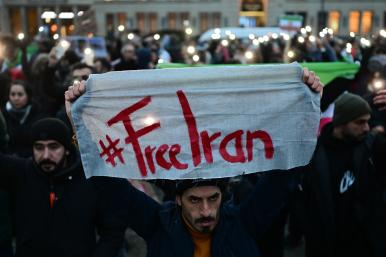
Trump Told Iranians to Keep Protesting. Then He Abandoned Their Cause.
With the regime still in place, the war has left ordinary Iranians worse off, and U.S. policy has compounded their sense of abandonment.
۱۶ ژوئن ۲۰۲۶
◆
Holly Dagres
Articles & Testimony
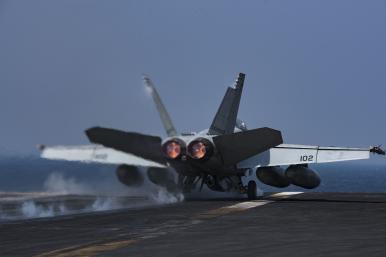
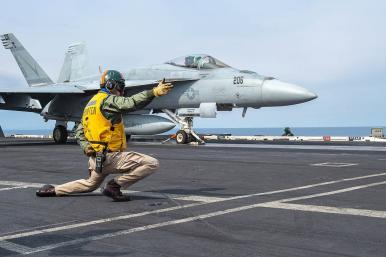
The Middle East Power Paradox: How the Iran War Will Transform America’s Military Role
Although the U.S. military approach to the region has delivered many operational successes, the Iran war has exposed its serious shortcomings and created new challenges.
۱۶ ژوئن ۲۰۲۶
◆
Dana Stroul
Articles & Testimony
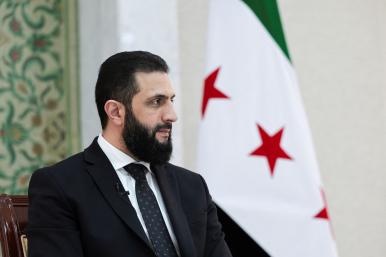
The U.S. Should Not Encourage Syria to Enter Lebanon
A young government working to secure its own territory is poorly positioned to open new fronts outside its borders, and Hezbollah would quickly exploit such a move to its advantage.
Jun 12, 2026
◆
Andrew J. Tabler
Video
Brief Analysis
Back to Bombs or Driving to a Deal? Assessing the U.S.-Iran State of Play
Three experts discuss the fallout from the latest military strikes, along with the potential contours and implications of a newly announced agreement to halt the fighting and reopen the Strait of Hormuz.
۱۲ ژوئن ۲۰۲۶
◆
Dana Stroul
Robert Satloff
Michael Singh
Maps & Graphics
Brief Analysis
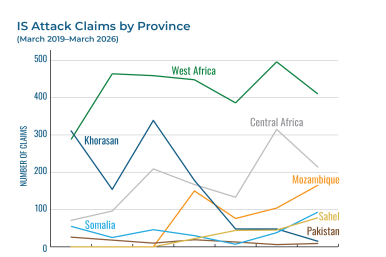
Tracking the Islamic State: Activity Trends, African Shifts, and U.S. Dormancy
As a landmark tool for monitoring the group’s activity hits another sobering milestone, U.S. officials cannot let regional crises completely overshadow important shifts in jihadist threats around the world.
۱۱ ژوئن ۲۰۲۶
◆
Aaron Y. Zelin
Fikra Forum
Fikra Forum
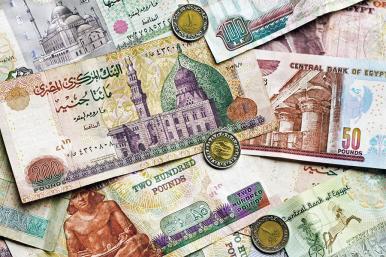
The Iran War's Pressure on the Egyptian Pound: Fragile Stability and Expected Shocks
The Egyptian pound is weathering significant challenges to its stability as the Iran war continues to impact oil markets and Egypt's revenue streams, raising concerns about the longterm impact of continued conflict.
۱۰ ژوئن ۲۰۲۶
◆
Heba El Koudsy
Maps & Graphics
Brief Analysis
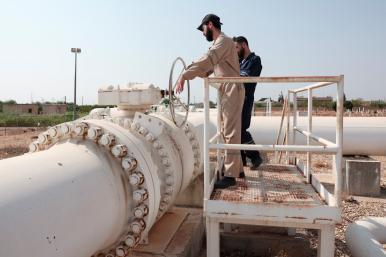
Syria’s Pipeline Dream Meets Hard Realities
Asian market realities and the ongoing risks to energy investments inside Syria may put a damper on any large-scale infrastructure plans, though Damascus can better its prospects through further stabilization and reform efforts.
۱۰ ژوئن ۲۰۲۶
◆
Andrew J. Tabler
Articles & Testimony
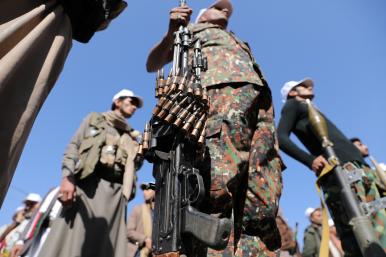
How the Looming Houthi Threat Could Turn the Iran War
Whether the U.S. truce with Iran breaks down or winds up rewarding the regime, the previously restrained Houthis may take it as a signal to resume their own aggression.
۹ ژوئن ۲۰۲۶
◆
April Longley Alley
Brief Analysis
Rethinking Foreign Assistance Cuts That Endanger U.S. Interests
Despite President Trump’s transformative goals in the Middle East and the ongoing need for American help in weathering multiple regional crises, the new budget request doubles down on a range of problematic funding cuts.
۸ ژوئن ۲۰۲۶
◆
Alina Romanowski
Ben Fishman
Michael Jacobson
Articles & Testimony
A Deal Could Leave Iran Fatally Weakened
The Trump administration won’t achieve all of its war goals, but it could still notch a strategic win with time.
۸ ژوئن ۲۰۲۶
◆
Dennis Ross
Articles & Testimony
Iran’s Next Internet Blackout Is Inevitable
Flipping the kill switch is a potent exercise of authoritarian control, but expediting countermeasures like D2C can help prevent regimes from using this tactic in the future.
۵ ژوئن ۲۰۲۶
◆
Holly Dagres
Brief Analysis
Countering Iran’s Latest “Smart Control” Gambit in the Strait of Hormuz
Tehran is hoping that its Persian Gulf Strait Authority will establish “facts on the ground” and give it leverage at the negotiating table, so Washington and its partners need to respond right away with a suite of military, economic, and diplomatic countermeasures.
۳ ژوئن ۲۰۲۶
◆
Farzin Nadimi
Brief Analysis
Syria’s Protest Wave: A Governance Stress Test
Washington should treat the recent public discontent not as a sign that Syria’s transition is failing, but as an opportunity to help ensure that Damascus does not repeat the mistakes of previous governments.
۳ ژوئن ۲۰۲۶
◆
Aaron Y. Zelin
Video
Brief Analysis
Israel-Lebanon Talks, Round 4: The Pentagon Takes a Seat
U.S. and Israeli experts discuss the potential obstacles to progress in upcoming rounds of negotiations, and explain why keeping the Lebanon track separate from the Iran talks would be wise.
۲۹ مه ۲۰۲۶
◆
David Schenker
Assaf Orion
Hanin Ghaddar
Brief Analysis
Beyond Disarmament: How the IRGC Keeps Hezbollah in Power Despite Its Military Losses
Although disarming the group is still crucial, negotiators need to realize that they will never really break Hezbollah’s hold on Lebanon so long as it retains Iranian support and key political allies and government posts in Beirut.
۲۹ مه ۲۰۲۶
◆
Hanin Ghaddar
Brief Analysis
Tempering U.S. Expectations About Iraq’s New Government
Tehran seems just as enthusiastic about the new prime minister as Washington—a telling sign that the militia-dominated status quo in Baghdad will be difficult and slow to change, if it changes at all.
۲۸ مه ۲۰۲۶
◆
David Schenker
Pagination
Current page
1
Page
2
Page
3
Page
4
Page
5
Page
6
Page
7
Page
8
Page
9
…
Last page
Last »
Next page
››