TWI logo معهد واشنطن لسياسات الشرق الأدنى
logo
wordmark
Homepage

Main navigation

  • تحليل
  • الخبراء
  • حول المعهد
  • الدعم
  • الخرائط والوسائط المتعددة
الأكثر شيوعاً:
  • الإرهاب
  • منافسة القوى العظمى
  • إيران
  • لبنان
  • دول الخليج العربي

المناطق والبلدان

  • إسرائيل
  • إيران
  • الأردن
  • العراق
  • الفلسطينيون
  • تركيا
  • دول الخليج العربي
  • سوريا
  • شمال أفريقيا
  • لبنان
  • مصر

القضايا

  • الإرهاب
  • الخليج وسياسة الطاقة
  • الديمقراطية والإصلاح
  • السياسة الأمريكية
  • السياسة العربية والإسلامية
  • الشؤون العسكرية والأمنية
  • الطاقة والاقتصاد
  • العلاقات العربية الإسرائيلية
  • انتشار الأسلحة
  • عملية السلام
  • منافسة القوى العظمى
TWI English
TWI Arabic: اللغة العربية Fikra Forum

الديمقراطية والإصلاح

Policy Analysis on الديمقراطية والإصلاح

Filter by:

Video
Brief Analysis
Dateline Egypt and North Africa: Updates from the Field
As Secretary Kerry makes his inaugural Middle East trip, states across North Africa face rising tensions among the forces for democracy, stability, and Islamic political ascendancy. In Egypt and Tunisia, revolutions have given way to uncertainty and violence, while Morocco's model of stable reform -- a monarch with an Islamist
٢٧‏/٠٢‏/٢٠١٣
◆
  • David Pollock
  • Eric Trager
  • Aaron Y. Zelin
Articles & Testimony
Uncharitable Organizations
Islamists are bankrolling terrorist groups across the Middle East and calling it aid work.
٢٦‏/٠٢‏/٢٠١٣
◆
  • Daveed Gartenstein-Ross
  • Aaron Y. Zelin
Articles & Testimony
The Muslim Brotherhood's 213-Year Revolution
Some believe Egypt's uprising began on January 25, 2011, but the Brotherhood begs to differ.
١٥‏/٠٢‏/٢٠١٣
◆
  • Eric Trager
Brief Analysis
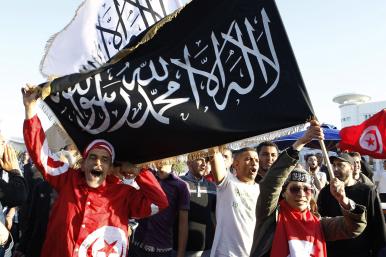
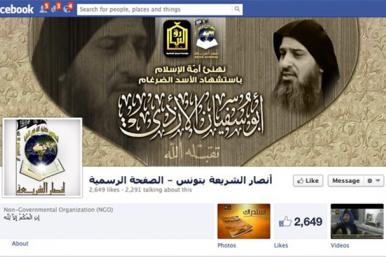
Tunisian Islamists Mobilize 'Neighborhood Committees'
Amid the recent turmoil, one Salafist group is attempting to outhustle its rivals and the government by flexing its organizational muscles on the street.
١١‏/٠٢‏/٢٠١٣
◆
  • Aaron Y. Zelin
Articles & Testimony
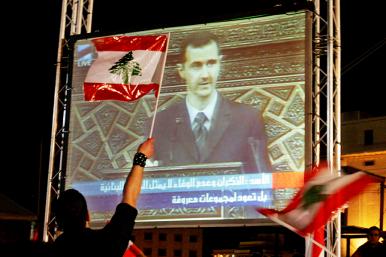
Hezbollah's Syria Problem
By turning its "weapons of resistance" against fellow Muslims in Syria, Hezbollah risks destroying its standing at home and abroad.
٠٦‏/٠٢‏/٢٠١٣
◆
  • Matthew Levitt
Articles & Testimony
The State of Global Jihad Online
An in-depth analysis of past and present chatter on prominent jihadist internet forums, including its implications for extremist ideological penetration in the West.
٠٥‏/٠٢‏/٢٠١٣
◆
  • Aaron Y. Zelin
Articles & Testimony
The Fatah-Hamas Reconciliation: Threatening Peace Prospects (Part 2)
On February 5, David Makovsky, director of the Project on the Middle East Peace Process at The Washington Institute, testified before the House regarding the implications of the Fatah-Hamas reconciliation and its effects on the prospects for Israeli-Palestinian peace. The following is an excerpt from his testimony.
٠٤‏/٠٢‏/٢٠١٣
◆
  • David Makovsky
Brief Analysis
Lebanon and the Spillover from Syria
Domestic issues, rather than the war raging next door, currently dominate Lebanon's politics.
٠٤‏/٠٢‏/٢٠١٣
◆
  • David Schenker
Brief Analysis
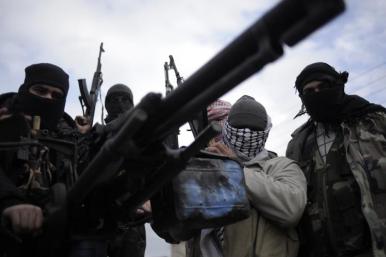
The Syrian Islamic Front: A New Extremist Force
Another prominent Salafist militia has emerged in Syria, further complicating Washington's efforts to find rebel factions that align with U.S. interests.
٠٤‏/٠٢‏/٢٠١٣
◆
  • Aaron Y. Zelin
Brief Analysis
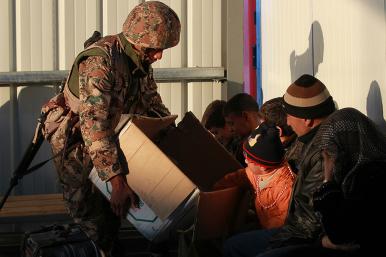
Jordan Bracing for More Spillover from Syria
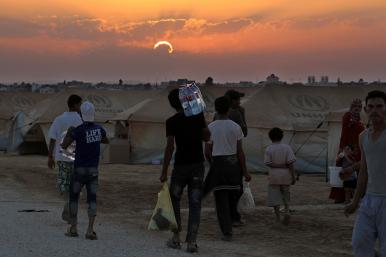
Providing for Syrian refugees has been difficult for cash-strapped Jordan, but more troubling is the prospect of foreign jihadists moving across the border.
٠١‏/٠٢‏/٢٠١٣
◆
  • David Schenker
Articles & Testimony
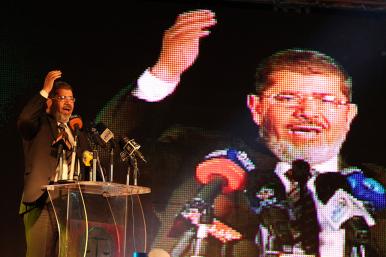
Will Germany Confront Morsi's Holocaust Denial?
The Egyptian president's trip to Berlin is an opportunity for the West to call him out on worrisome trends.
٢٩‏/٠١‏/٢٠١٣
◆
  • Eric Trager
Brief Analysis
Syrian Spillover: Perspectives from Neighboring States
As the Assad regime continues its bloody campaign to remain in power, Washington Institute scholars assess the impact of current and potential spillover on Syria's neighbors, Turkey, Iraq, Israel, Jordan, and Lebanon.
٢٩‏/٠١‏/٢٠١٣
◆
  • David Schenker
  • Michael Herzog
  • Soner Cagaptay
  • Michael Knights
Brief Analysis
Egypt Will Be Unstable until Morsi Delivers on Domestic Promises
Washington should remind Morsi that his current mode of governance is stoking perpetual unrest and impeding financial assistance.
٢٩‏/٠١‏/٢٠١٣
◆
  • Eric Trager
Brief Analysis
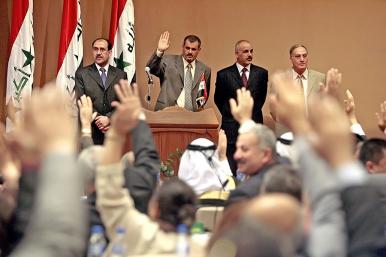
Iraq Passes Prime Ministerial Term Limit
New opposition-led legislation on term limits gives Washington an opening to press Baghdad on improving relations with the Kurds.
٢٨‏/٠١‏/٢٠١٣
◆
  • Michael Knights
Brief Analysis
Syria's Humanitarian Crisis: A Moral and Strategic Issue
To undermine the Assad regime's exploitation of humanitarian assistance, the United States and its allies should provide aid directly inside Syria through credible international NGOs.
٢٨‏/٠١‏/٢٠١٣
◆
  • David Pollock
  • Andrew J. Tabler
Articles & Testimony
Think Again: The Muslim Brotherhood
How did so many Western analysts get Egypt's Islamist movement so wrong?
٢٨‏/٠١‏/٢٠١٣
◆
  • Eric Trager
Articles & Testimony
Back to Mubarak
Two years after Egypt's revolution, U.S. diplomacy comes full circle.
٢٥‏/٠١‏/٢٠١٣
◆
  • Eric Trager
Articles & Testimony
How to Prevent the Next Benghazi
Five steps toward crafting an "expeditionary diplomacy" doctrine that secures both U.S. interests and the brave officials looking out for those interests.
٢٥‏/٠١‏/٢٠١٣
◆
  • James Jeffrey
Video
Brief Analysis
Jordan's Elections: Incremental Reform amid Regional Turbulence
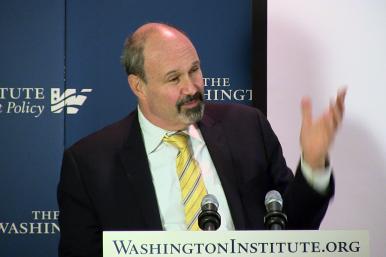
On January 18, 2013, David Schenker, David Makovsky, and Robert Satloff addressed a Policy Forum at The Washington Institute to discuss the Jordanian and Israeli elections. Mr. Schenker, the Aufzien fellow and director of the Program on Arab Politics at the Institute, formerly served as the Pentagon's top policy aide
٢٢‏/٠١‏/٢٠١٣
◆
  • David Schenker
Brief Analysis
Jihadists on the Nile: The Return of Old Players
Washington should work with -- and pressure -- Cairo to counter the country's growing jihadist threat.
١٧‏/٠١‏/٢٠١٣
◆
  • Aaron Y. Zelin

Pagination

  • Previous page ‹ Previous
  • First page « First
  • …
  • Page 73
  • Page 74
  • Page 75
  • Page 76
  • Current page 77
  • Page 78
  • Page 79
  • Page 80
  • Page 81
  • …
  • Last page Last »
  • Next page Next ›
Supported by the

Project Fikra: Defeating Extremism through the Power of Ideas

Fikra n. [Arabic] "Idea"

The Washington Institute's Project Fikra is a multiyear program of research, publication, and network-building designed to generate policy ideas for promoting positive change and countering the spread of extremism in the Middle East.

Sign Up for Email Updates from The Washington Institute

Never miss a breaking event on U.S. policy interests in the Middle East. Customize your subscription to our expert analysis, op-eds, live events, and special reports.


Sign up

Featured experts

Catherine Cleveland
كاثرين كليفلاند
كاثرين كليفلاند هي زميلة أقدم في زمالة عائلة "كروفت-واغنر" في معهد واشنطن.
Ben Fishman
بين فيشمان
بين فيشمان هو زميل أقدم في برنامج الزمالة "ستيفن د. ليفي" في "برنامج «روبين فاميلي» حول السياسة العربية" في معهد واشنطن حيث يركز على شمال أفريقيا.
Background image with TWI branding
logo
wordmark
Homepage

1111 19th Street NW - Suite 500
Washington D.C. 20036
Tel: 202-452-0650
Fax: 202-223-5364

Footer contact links

  • الاتصال بالمعهد
  • غرفة الصحافة
  • الاشتراك

معهد واشنطن يسعى إلى تعزيز فهم متوازن وواقعي للمصالح الأمريكية في الشرق الأوسط والنهوض بالسياسات التي تؤمّنها.

المعهد هو منظمة 501(c)3 ؛ جميع التبرعات معفاة من الضرائب.

Footer quick links

  • حول معهد واشنطن
  • ادعم المعهد
  • روّاد المعهد

Social media

  • The Washington Institute on Facebook facebook
  • The Washington Institute on X x
  • The Washington Institute on YouTube youtube
  • The Washington Institute on LinkedIn linkedin

© 2026 جميع الحقوق محفوظة.

Footer

  • توظيف
  • نهج الخصوصية
  • الحقوق والأذونات