Skip to main content
معهد واشنطن لسياسات الشرق الأدنى
Menu
Toggle Main Menu
Homepage
Main navigation
تحليل
الخبراء
حول المعهد
الدعم
الخرائط والوسائط المتعددة
الأكثر شيوعاً:
الإرهاب
منافسة القوى العظمى
إيران
لبنان
دول الخليج العربي
Toggle List of
جميع المناطق
المناطق والبلدان
إسرائيل
إيران
الأردن
العراق
الفلسطينيون
تركيا
دول الخليج العربي
سوريا
شمال أفريقيا
لبنان
مصر
القضايا
الإرهاب
الخليج وسياسة الطاقة
الديمقراطية والإصلاح
السياسة الأمريكية
السياسة العربية والإسلامية
الشؤون العسكرية والأمنية
الطاقة والاقتصاد
العلاقات العربية الإسرائيلية
انتشار الأسلحة
عملية السلام
منافسة القوى العظمى
Close List of All Regions and Issues
Close
ابحث في تحليل السياسات
TWI English
TWI Arabic:
اللغة العربية
Fikra Forum
Close Menu
Close
ابحث في تحليل السياسات
Search
Policy Analysis
Filter by:
Keyword
Region
- Any -
مصر
دول الخليج العربي
إيران
العراق
إسرائيل
الأردن
لبنان
شمال أفريقيا
الفلسطينيون
سوريا
تركيا
Issue
- Any -
السياسة العربية والإسلامية
العلاقات العربية الإسرائيلية
الديمقراطية والإصلاح
الطاقة والاقتصاد
منافسة القوى العظمى
الخليج وسياسة الطاقة
الشؤون العسكرية والأمنية
عملية السلام
انتشار الأسلحة
الإرهاب
السياسة الأمريكية
Media type
- Any -
Audio
Maps & Graphics
Multimedia
Video
تاريخ النشر
- Any -
Past 7 Days
Past 30 Days
Past Year
Custom range...
Start date
End date
Type
- Any -
مقالات وشهادة
تحليل موجز
تقارير متعمقة
Sort by
Oldest first
Newest first
Found
12186
results
Brief Analysis
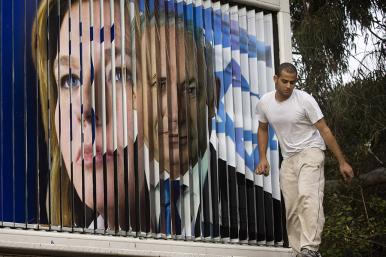
Implications of Israel's New Cabinet
A look at the major incoming players in the new Israeli government and where they stand on Iran, the Palestinians, and other key issues.
٢٢/٠٣/٢٠١٣
◆
David Makovsky
Brief Analysis
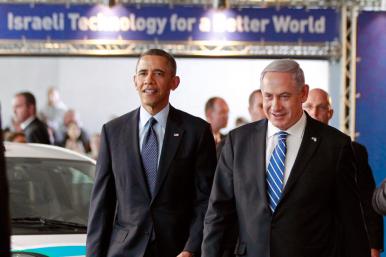
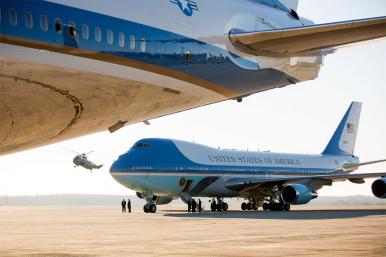
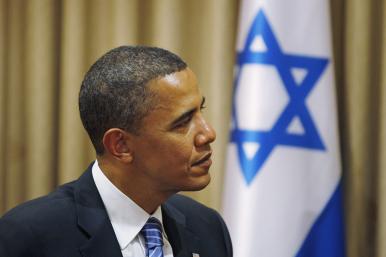
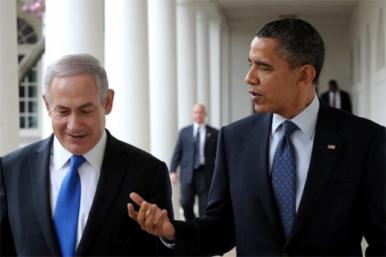
Policy Takeaways from Obama's Visit to Israel and the West Bank
The president tilted U.S. policy toward Israel in substantive ways, especially with regard to resuming peace talks with the Palestinians and repairing Israel-Turkish ties.
٢٢/٠٣/٢٠١٣
◆
Robert Satloff
Brief Analysis
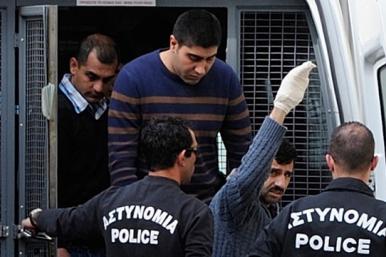
Cyprus Court Convicts Hezbollah Operative: Next Steps
As Europe debates listing Hezbollah as a terrorist entity, Washington should propose more joint actions to step up pressure on the group.
٢٢/٠٣/٢٠١٣
◆
Matthew Levitt
Articles & Testimony
Israel's High-Tech Pipeline to America
President Obama was right when he noted that innovation is just as important to the U.S.-Israel relationship as security cooperation.
٢٢/٠٣/٢٠١٣
◆
Michael Eisenstadt
David Pollock
Video
Brief Analysis
Obama to the Middle East: Expectations and Implications (Part 2)
Subscribe to Washington Institute videos on YouTube. Sign up for live event broadcast alerts from The Washington Institute On March 18, 2013, David Makovsky, Michael Singh, and Dennis Ross addressed a Policy Forum at The Washington Institute. Mr. Makovsky is the Ziegler distinguished fellow and director of the Project on
٢١/٠٣/٢٠١٣
◆
David Makovsky
Michael Singh
Articles & Testimony
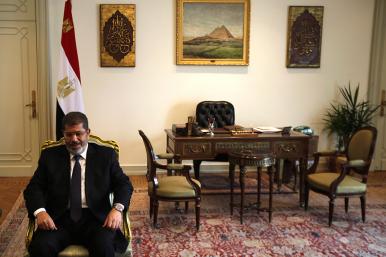
In Power, But Not in Control
The Muslim Brotherhood may have the votes for now, but Egypt is a ship without a rudder.
٢١/٠٣/٢٠١٣
◆
Eric Trager
Brief Analysis
Implications of Possible Chemical Weapons Use in Syria
The Syrian regime has good reasons to both use chemical weapons and disguise what it has done. Having pegged out a firm stance on such weapons, Washington should respond vigorously with defensive measures while the investigation of reported use proceeds.
٢١/٠٣/٢٠١٣
◆
Michael Herzog
Michael Knights
Andrew J. Tabler
Jeffrey White
Articles & Testimony
What Are Chemical Weapons and How Would Syria Use Them?
The impacts would be horrifying, but Assad probably can't employ them effectively on a large scale -- yet.
٢١/٠٣/٢٠١٣
◆
Michael Eisenstadt
Articles & Testimony
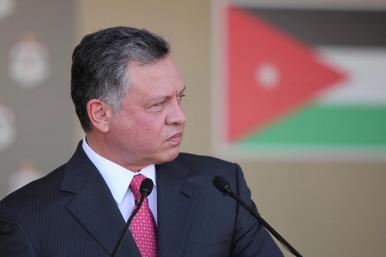
Saving Jordan's King Abdullah Must Be a U.S. Priority
Perhaps Washington's best Arab ally, the monarch increasingly lacks money and political stability.
٢١/٠٣/٢٠١٣
◆
David Schenker
Articles & Testimony
Is Iraq Headed Toward Civil War?
On the tenth anniversary of the U.S.-led invasion of Iraq, the New York Times convened an online panel of experts to discuss whether the war was worth the cost in light of continued violence and political problems. The following contribution was made by Michael Knights, a Boston-based Lafer fellow with
٢٠/٠٣/٢٠١٣
◆
Michael Knights
Video
Brief Analysis
Obama to the Middle East: Expectations and Implications (Part 1)
Subscribe to Washington Institute videos on YouTube. Sign up for live event broadcast alerts from The Washington Institute On March 18, 2013, Dennis Ross, David Makovsky, and Michael Singh addressed a Policy Forum at The Washington Institute. Ambassador Ross, the Institute's counselor, served most recently as special assistant to President
٢٠/٠٣/٢٠١٣
◆
Dennis Ross
Articles & Testimony
Hezbollah’s Strategic Shift: A Global Terrorist Threat
The director of the Institute's Stein Program on Counterterrorism and Intelligence testified before the House regarding Hezbollah's growing terrorist activity worldwide. The following is an excerpt from his prepared remarks; download the PDF to read the full testimony. "...Today's hearing on Hezbollah's strategic shift is extremely timely. This week marks
٢٠/٠٣/٢٠١٣
◆
Matthew Levitt
Articles & Testimony
What Obama Should Do in Israel
If the president takes a risk and advocates interim steps, he will be making a major contribution toward sustaining a two-state vision that is slowly fading in the minds of Israelis and Palestinians.
١٩/٠٣/٢٠١٣
◆
Ehud Yaari
Articles & Testimony
Syria's Humanitarian Crisis
The Washington Institute's managing director testified before the Senate regarding next steps to address Syria's ongoing war and its effects on the population. The following is an excerpt from his prepared testimony. Download the PDF to read his full remarks. "The humanitarian crisis in Syria is of a scale with
١٩/٠٣/٢٠١٣
◆
Michael Singh
Articles & Testimony
Risking the Finlandization of the Persian Gulf
A nuclear-armed Iran could bring Soviet-style intimidation to the Middle East.
١٩/٠٣/٢٠١٣
◆
Simon Henderson
Brief Analysis
Egypt's Muslim Brotherhood Set to Prevail Despite Policy Failures
The following article is one of three to emerge from " Dateline Egypt and North Africa: Updates from the Field," a Policy Forum hosted by The Washington Institute on March 5. The other two are Aaron Zelin's op-ed " Tunisia's Post-Revolution Blues" and David Pollock's PolicyWatch " Rule the Casbah
١٩/٠٣/٢٠١٣
◆
Eric Trager
Articles & Testimony
Hezbollah's 1992 Attack in Argentina Is a Warning for Modern-Day Europe
Hezbollah is watching Europe closely, much as it watched Argentina twenty-one years ago this week.
١٩/٠٣/٢٠١٣
◆
Matthew Levitt
In-Depth Reports
Obama II and the Middle East
Strategic Objectives for U.S. Policy
THE MIDDLE EAST has been home to incessant turmoil and instability since the end of World War II, yet as President Obama enters his second term, he faces a spectrum of threats in this region unparalleled in modern history. Iran's nuclear program rapidly approaches the threshold to breakout capability, perhaps
١٩/٠٣/٢٠١٣
◆
Dennis Ross
James Jeffrey
Articles & Testimony
When Barack Meets Bibi
What two leaders who see the world quite differently must do to build bridges on Iran and the Israeli-Palestinian conflict
١٨/٠٣/٢٠١٣
◆
David Makovsky
Brief Analysis
Iran's Politicians Focus on 2013 Presidential Elections, not Nuclear Issue
The growing political struggle over the 2013 presidential elections in Iran may substantially divert the attention of the Islamic regime from external issues and hamper the progress of nuclear talks.
١٨/٠٣/٢٠١٣
◆
Nikolay Kozhanov
Pagination
Previous page
‹‹
First page
« First
…
Page
360
Page
361
Page
362
Page
363
Current page
364
Page
365
Page
366
Page
367
Page
368
…
Last page
Last »
Next page
››