TWI logo معهد واشنطن لسياسات الشرق الأدنى
logo
wordmark
Homepage

Main navigation

  • تحليل
  • الخبراء
  • حول المعهد
  • الدعم
  • الخرائط والوسائط المتعددة
الأكثر شيوعاً:
  • العلاقات العربية الإسرائيلية
  • الشؤون العسكرية والأمنية
  • إسرائيل
  • إيران
  • سوريا

المناطق والبلدان

  • إسرائيل
  • إيران
  • الأردن
  • الشرق الأوسط
  • العراق
  • الفلسطينيون
  • تركيا
  • دول الخليج العربي
  • سوريا
  • شمال أفريقيا
  • لبنان
  • مصر

القضايا

  • الإرهاب
  • الخليج وسياسة الطاقة
  • الديمقراطية والإصلاح
  • السياسة الأمريكية
  • السياسة العربية والإسلامية
  • الشؤون العسكرية والأمنية
  • الطاقة والاقتصاد
  • العلاقات العربية الإسرائيلية
  • انتشار الأسلحة
  • عملية السلام
  • منافسة القوى العظمى
TWI English
TWI Arabic: اللغة العربية Fikra Forum

إسرائيل

Policy Analysis on إسرائيل

Filter by:

Video
In-Depth Reports
Israel's New Government and the Challenges of Regional Security
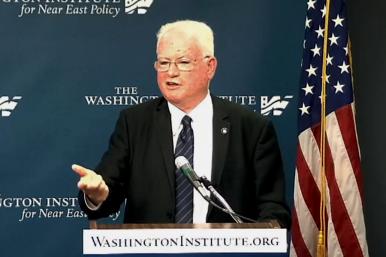
Tzachi Hanegbi, member of the Knesset, Likud, and former Israeli minister of intelligence, addresses The Washington Institute's 2013 Soref Symposium on May 9, 2013.
٠٦‏/٠٥‏/٢٠١٣
◆
  • Tzachi Hanegbi
Brief Analysis
Stalled Arab Peace Initiative Reaffirmed
If it is to be a catalyst for action, the API will require a more direct approach with Israel.
٠١‏/٠٥‏/٢٠١٣
◆
  • David Makovsky
Articles & Testimony
The Thin Red Line: Is Iran Outmaneuvering the U.S. and Israel?
Now that Iran is capable of circumventing the nuclear weapons red line, the new U.S. and Israeli defense ministers must coordinate closely to avoid being further outflanked.
٢٤‏/٠٤‏/٢٠١٣
◆
  • David Makovsky
  • Gabrielle Tudin
Brief Analysis
The Fayyad Resignation: Scapegoating a State-Builder
The political wrangling that effectively forced Fayyad to step down raises serious questions about the PA's economy, security cooperation, and political transparency, as well as U.S. efforts to revive the peace process.
١٦‏/٠٤‏/٢٠١٣
◆
  • David Makovsky
Brief Analysis
Azerbaijan's Cooperation with Israel Goes Beyond Iran Tensions
Azerbaijan has ample, independent strategic reasons for its cooperation with Israel and poor relations with Tehran, notwithstanding the recent spike in Iranian tensions.
١٦‏/٠٤‏/٢٠١٣
◆
  • Brenda Shaffer
Articles & Testimony
Turkey Mends Fences with Israel
A closer look at Turkey's motivations for normalizing relations with Israel.
١٦‏/٠٤‏/٢٠١٣
◆
  • Soner Cagaptay
Articles & Testimony
Syria's Forgotten Front
To keep yet another Syrian frontier from spiraling downward, Washington should urge Israel and the mainstream Syrian opposition to focus on keeping Hizballah and jihadist groups away from the border.
١٦‏/٠٤‏/٢٠١٣
◆
  • David Pollock
Articles & Testimony
A Threshold Test for Both Sides If Peace Has a Chance
If substantive peace talks are to have any chance of proceeding, Israeli and Palestinian leaders must first send basic signals regarding settlements and acceptance.
٢٧‏/٠٣‏/٢٠١٣
◆
  • David Makovsky
Video
Initial Outcomes of Obama's Middle East Trip
During his recent Middle East visit, President Obama forged an emotional connection with the people of Israel, earned credibility to deal with Iran’s nuclear research, and put the Israeli-Palestinian peace process back on the regional agenda, according to Washington Institute Executive Director Dr. Robert Satloff and David Makovsky, the Institute’s
٢٢‏/٠٣‏/٢٠١٣
◆
  • David Makovsky
  • Robert Satloff
Brief Analysis
Implications of Israel's New Cabinet
A look at the major incoming players in the new Israeli government and where they stand on Iran, the Palestinians, and other key issues.
٢٢‏/٠٣‏/٢٠١٣
◆
  • David Makovsky
Brief Analysis
Policy Takeaways from Obama's Visit to Israel and the West Bank
The president tilted U.S. policy toward Israel in substantive ways, especially with regard to resuming peace talks with the Palestinians and repairing Israel-Turkish ties.
٢٢‏/٠٣‏/٢٠١٣
◆
  • Robert Satloff
Articles & Testimony
Israel's High-Tech Pipeline to America
President Obama was right when he noted that innovation is just as important to the U.S.-Israel relationship as security cooperation.
٢٢‏/٠٣‏/٢٠١٣
◆
  • Michael Eisenstadt
  • David Pollock
Video
Brief Analysis
Obama to the Middle East: Expectations and Implications (Part 2)
Subscribe to Washington Institute videos on YouTube. Sign up for live event broadcast alerts from The Washington Institute On March 18, 2013, David Makovsky, Michael Singh, and Dennis Ross addressed a Policy Forum at The Washington Institute. Mr. Makovsky is the Ziegler distinguished fellow and director of the Project on
٢١‏/٠٣‏/٢٠١٣
◆
  • David Makovsky
  • Michael Singh
Brief Analysis
Implications of Possible Chemical Weapons Use in Syria
The Syrian regime has good reasons to both use chemical weapons and disguise what it has done. Having pegged out a firm stance on such weapons, Washington should respond vigorously with defensive measures while the investigation of reported use proceeds.
٢١‏/٠٣‏/٢٠١٣
◆
  • Michael Herzog
  • Michael Knights
  • Andrew J. Tabler
  • Jeffrey White
Video
Brief Analysis
Obama to the Middle East: Expectations and Implications (Part 1)
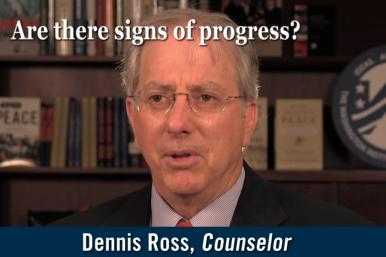
Subscribe to Washington Institute videos on YouTube. Sign up for live event broadcast alerts from The Washington Institute On March 18, 2013, Dennis Ross, David Makovsky, and Michael Singh addressed a Policy Forum at The Washington Institute. Ambassador Ross, the Institute's counselor, served most recently as special assistant to President
٢٠‏/٠٣‏/٢٠١٣
◆
  • Dennis Ross
In-Depth Reports
Obama II and the Middle East
Strategic Objectives for U.S. Policy
THE MIDDLE EAST has been home to incessant turmoil and instability since the end of World War II, yet as President Obama enters his second term, he faces a spectrum of threats in this region unparalleled in modern history. Iran's nuclear program rapidly approaches the threshold to breakout capability, perhaps
١٩‏/٠٣‏/٢٠١٣
◆
  • Dennis Ross
  • James Jeffrey
Articles & Testimony
What Obama Should Do in Israel
If the president takes a risk and advocates interim steps, he will be making a major contribution toward sustaining a two-state vision that is slowly fading in the minds of Israelis and Palestinians.
١٩‏/٠٣‏/٢٠١٣
◆
  • Ehud Yaari
Articles & Testimony
Why Europe Should Ban Hezbollah
Recent cases, including the July 2012 bus bombing in Burgas, Bulgaria, have forced reluctant European leaders to seriously debate the issue of banning Hezbollah.
١٨‏/٠٣‏/٢٠١٣
◆
  • Matthew Levitt
Brief Analysis
Rule the Casbah: The Moroccan Monarchy's Delicate Balancing Act
Morocco has found a formula for stability through gradual reform, with the king firmly in control behind the scenes, and this deserves strong U.S. support
١٨‏/٠٣‏/٢٠١٣
◆
  • David Pollock
Articles & Testimony
When Barack Meets Bibi
What two leaders who see the world quite differently must do to build bridges on Iran and the Israeli-Palestinian conflict
١٨‏/٠٣‏/٢٠١٣
◆
  • David Makovsky

Pagination

  • Previous page ‹ Previous
  • First page « First
  • …
  • Page 66
  • Page 67
  • Page 68
  • Page 69
  • Current page 70
  • Page 71
  • Page 72
  • Page 73
  • Page 74
  • …
  • Last page Last »
  • Next page Next ›

Sign Up for Email Updates from The Washington Institute

Never miss a breaking event on U.S. policy interests in the Middle East. Customize your subscription to our expert analysis, op-eds, live events, and special reports.

Sign up

Background image with TWI branding
logo
wordmark
Homepage

1111 19th Street NW - Suite 500
Washington D.C. 20036
Tel: 202-452-0650
Fax: 202-223-5364

Footer contact links

  • الاتصال بالمعهد
  • غرفة الصحافة
  • الاشتراك

معهد واشنطن يسعى إلى تعزيز فهم متوازن وواقعي للمصالح الأمريكية في الشرق الأوسط والنهوض بالسياسات التي تؤمّنها.

المعهد هو منظمة 501(c)3 ؛ جميع التبرعات معفاة من الضرائب.

Footer quick links

  • حول معهد واشنطن
  • ادعم المعهد
  • روّاد المعهد

Social media

  • The Washington Institute on Facebook facebook
  • The Washington Institute on X x
  • The Washington Institute on YouTube youtube
  • The Washington Institute on LinkedIn linkedin

© 2026 جميع الحقوق محفوظة.

Footer

  • توظيف
  • نهج الخصوصية
  • الحقوق والأذونات