
TWI logo معهد واشنطن لسياسات الشرق الأدنى
logo
wordmark
Homepage

Main navigation

  • تحليل
  • الخبراء
  • حول المعهد
  • الدعم
  • الخرائط والوسائط المتعددة
الأكثر شيوعاً:
  • الشؤون العسكرية والأمنية
  • الطاقة والاقتصاد
  • إيران
  • لبنان
  • دول الخليج العربي

المناطق والبلدان

  • إسرائيل
  • إيران
  • الأردن
  • العراق
  • الفلسطينيون
  • تركيا
  • دول الخليج العربي
  • سوريا
  • شمال أفريقيا
  • لبنان
  • مصر

القضايا

  • الإرهاب
  • الخليج وسياسة الطاقة
  • الديمقراطية والإصلاح
  • السياسة الأمريكية
  • السياسة العربية والإسلامية
  • الشؤون العسكرية والأمنية
  • الطاقة والاقتصاد
  • العلاقات العربية الإسرائيلية
  • انتشار الأسلحة
  • عملية السلام
  • منافسة القوى العظمى
TWI English
TWI Arabic: اللغة العربية Fikra Forum

انتشار الأسلحة

Policy Analysis on انتشار الأسلحة

Filter by:

Articles & Testimony
Avoiding a Bad Nuclear Deal with Iran
As the confrontation with Iran enters a new, more dangerous phase, Washington must avoid the temptation of redefining its red lines in a manner that endangers national security.
٠٧‏/٠٣‏/٢٠١٢
◆
  • Michael Singh
Brief Analysis
President Obama on Iran: Assessing Key Passages in the AIPAC Speech
Although the president's AIPAC speech offered reassurances that he is committed to the full logic of a "prevention" strategy in dealing with the Iranian nuclear challenge, including potential military action, it also implied a clear preference for Israel to hold back and let the noose of international sanctions tighten.
٠٥‏/٠٣‏/٢٠١٢
◆
  • Robert Satloff
Brief Analysis
The Need for Consistent U.S. and Israeli Public Messaging on Iran
Washington and Israel need to address their public messaging on Iran, which has undermined mutual trust and efforts to achieve their common objective: a diplomatic solution to the nuclear crisis.
٠٢‏/٠٣‏/٢٠١٢
◆
  • Michael Eisenstadt
  • David Makovsky
Articles & Testimony
Is the Iranian Regime Rational?
Although some examples suggest rational decisionmaking by Tehran, other Iranian actions seem unencumbered by cost-benefit considerations.
٢٣‏/٠٢‏/٢٠١٢
◆
  • Michael Singh
Articles & Testimony
Friendship Under Fire
The Iranian nuclear threat will challenge Obama and Netanyahu's sometimes-rocky relationship like never before.
٢٢‏/٠٢‏/٢٠١٢
◆
  • David Makovsky
Articles & Testimony
Iran Is Ready to Talk
Speculation about an Israeli strike against Iranian nuclear facilities is rife, but there is little discussion about whether diplomacy can still succeed, precluding the need for military action. Many experts doubt that Tehran would ever accept a deal that uses intrusive inspections and denies or limits uranium enrichment to halt
١٥‏/٠٢‏/٢٠١٢
◆
  • Dennis Ross
Articles & Testimony
On Iran, Pressure Works
Washington and its allies can still prevent Iran from acquiring nuclear weapons through nonmilitary means.
٢٤‏/١٢‏/٢٠١١
◆
  • Dennis Ross
Articles & Testimony
Israel Is Wide Awake as Decision Time Approaches on Nuclear Iran
Far from sleepwalking into war with Iran, Israelis have their eyes wide open on the nuclear threat and expect others to do the same.
٢٢‏/١٢‏/٢٠١١
◆
  • Michael Herzog
Multimedia
In-Depth Reports
An Iranian Nuclear Breakout Is Not Inevitable
Much of the rhetoric surrounding the Iranian nuclear impasse has been marked by Tehran's staunch refusal to budge and pessimism among Western analysts that increasingly strong diplomatic and economic measures will ever have their desired effect. Yet several avenues for progress have opened up amid an environment of incrementally effective
٢٠‏/١٢‏/٢٠١١
◆
  • Patrick Clawson
Brief Analysis
Death of a Proliferator: North Korea in Transition
The death of Kim Jong-il provides an opportunity for Washington to organize a show of disapproval for North Korea's nuclear and missile proliferation.
١٩‏/١٢‏/٢٠١١
◆
  • Simon Henderson
Articles & Testimony
Strategic (Mis)communication on Iran
Privately discussing U.S. concerns about military action against Iran is both responsible and necessary. Musing upon them publicly, however, is a strategic error.
٠٧‏/١٢‏/٢٠١١
◆
  • Michael Singh
Articles & Testimony
Iran's Rattling Saber
If recent provocations are any indicator, Tehran might become so fearful of an overt war that it starts one itself.
٠١‏/١٢‏/٢٠١١
◆
  • Mehdi Khalaji
Brief Analysis
Impact of Sanctioning Iran's Central Bank
The debate over whether to sanction the Central Bank of Iran must consider the effectiveness of such action and the consequences for the world economy.
٢٩‏/١١‏/٢٠١١
◆
  • Patrick Clawson
  • Simon Henderson
Brief Analysis
Israel's Closing Window to Strike Iran
Although Israel is in favor of economic and diplomatic sanctions against Iran, its calculus is also based on how much time is left for military strikes to be effective.
٢٢‏/١١‏/٢٠١١
◆
  • David Makovsky
Articles & Testimony
Only Threat of Military Action Will Stop Iran
For nuclear diplomacy to succeed, Tehran must believe that the United States will take military action against any effort to build a bomb.
٢٢‏/١١‏/٢٠١١
◆
  • Michael Eisenstadt
Brief Analysis
Building on the Opportunity of the IAEA Report on Iran
Despite technical setbacks and political indecision, the military dimensions of Iran's nuclear program apparently continue and will become even more challenging over time.
١٥‏/١١‏/٢٠١١
◆
  • Olli Heinonen
Brief Analysis
Iran's Nuclear Program: "Credible" Evidence of "Continuing" Work on a Bomb
The latest IAEA report should serve to shift the public debate from whether Iran is developing a nuclear weapon to how to stop it.
٠٨‏/١١‏/٢٠١١
◆
  • Simon Henderson
Articles & Testimony
China's Iranian Gambit
Beijing is playing a dangerous game: using the Islamic Republic to foil American interests in the Middle East.
٠١‏/١١‏/٢٠١١
◆
  • Michael Singh
Brief Analysis
A Syrian Centrifuge Plant? A New Proliferation Challenge
The discovery that Syria may have tried to build a centrifuge plant is reawakening concerns about the extent of the regime's nuclear ambitions and the proliferation of crucial technology by Pakistan.
٠١‏/١١‏/٢٠١١
◆
  • Simon Henderson
Brief Analysis
Nuclear Fatwa: Religion and Politics in Iran's Proliferation Strategy
On September 26, 2011, Mehdi Khalaji and Michael Eisenstadt addressed a Policy Forum at The Washington Institute spotlighting their new Policy Focus Nuclear Fatwa: Religion and Politics in Iran's Proliferation Strategy . Mr. Khalaji, a senior fellow at the Institute, is the author of The New Order of the Clerical
٢٧‏/٠٩‏/٢٠١١
◆
  • Michael Eisenstadt
  • Mehdi Khalaji

Pagination

  • Previous page ‹ Previous
  • First page « First
  • …
  • Page 37
  • Page 38
  • Page 39
  • Page 40
  • Current page 41
  • Page 42
  • Page 43
  • Page 44
  • Page 45
  • …
  • Last page Last »
  • Next page Next ›

Sign Up for Email Updates from The Washington Institute

Never miss a breaking event on U.S. policy interests in the Middle East. Customize your subscription to our expert analysis, op-eds, live events, and special reports.
Sign up

Featured experts

Patrick Clawson
پاتريك كلاوسون
الدكتور پاتريك كلاوسون هو زميل أقدم في برنامج الزمالة "مورنينجستار" ومستشار الأبحاث في معهد واشنطن.
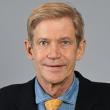
Michael Singh
مايكل سينغ
مايكل سينغ هو زميل أقدم في زمالة “لين- سويغ” والمدير الإداري في معهد واشنطن.
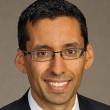
Simon Henderson
سايمون هندرسون
سايمون هندرسون هو زميل أقدم في برنامج الزمالة "بيكر" ومدير "برنامج برنشتاين لشؤون الخليج وسياسة الطاقة" في معهد واشنطن، ومتخصص في شؤون الطاقة والدول العربية المحافظة في الخليج العربي.
Background image with TWI branding
logo
wordmark
Homepage

1111 19th Street NW - Suite 500
Washington D.C. 20036
Tel: 202-452-0650
Fax: 202-223-5364

Footer contact links

  • الاتصال بالمعهد
  • غرفة الصحافة
  • الاشتراك

معهد واشنطن يسعى إلى تعزيز فهم متوازن وواقعي للمصالح الأمريكية في الشرق الأوسط والنهوض بالسياسات التي تؤمّنها.

المعهد هو منظمة 501(c)3 ؛ جميع التبرعات معفاة من الضرائب.

Footer quick links

  • حول معهد واشنطن
  • ادعم المعهد
  • روّاد المعهد

Social media

  • The Washington Institute on Facebook facebook
  • The Washington Institute on X x
  • The Washington Institute on YouTube youtube
  • The Washington Institute on LinkedIn linkedin

© 2026 جميع الحقوق محفوظة.

Footer

  • توظيف
  • نهج الخصوصية
  • الحقوق والأذونات