Skip to main content
The Washington Institute for Near East Policy
Menu
Toggle Main Menu
Homepage
Main navigation
تحلیلها
کارشناسان
دربارهما
پشتیبانی
نقشه و چند رسانهای
مباحث روز :
نظامی و امنیتی
منع اشاعه
اسرائیل
لبنان
ایران
Toggle List of
منطقهها
منطقهها و کشورها
اردن
اسرائیل
ایران
ترکیه
سوریه
شمال آفریقا
عراق
فلسطینیها
لبنان
مصر
کشورهای حاشیهخلیج فارس
موضوع
انرژی و اقتصاد
تروریسم
خلیج و سیاست حوزه انرژی
دمکراسی و اصلاح
رقابت قدرتهای بزرگ
روابط عرب و اسرائیل
سیاست آمریکا
عرب و اسلام سیاسی
فرایند صلح
منع اشاعه
نظامی و امنیتی
Close List of All Regions and Issues
Close
Search Policy Analysis
TWI English
TWI Arabic:
اللغة العربية
Fikra Forum
Close Menu
Close
Search Policy Analysis
جستجو
Policy Analysis
Filter by:
Keyword
Region
- Any -
مصر
کشورهای حاشیهخلیج فارس
ایران
عراق
اسرائیل
اردن
لبنان
شمال آفریقا
فلسطینیها
سوریه
ترکیه
Issue
- Any -
عرب و اسلام سیاسی
روابط عرب و اسرائیل
دمکراسی و اصلاح
انرژی و اقتصاد
رقابت قدرتهای بزرگ
خلیج و سیاست حوزه انرژی
نظامی و امنیتی
فرایند صلح
منع اشاعه
تروریسم
سیاست آمریکا
Media type
- Any -
شنیداری
نقشه و نمودار
چندرسانهای
ویدئو
تاریخ انتشار
- Any -
Past 7 Days
Past 30 Days
Past Year
Custom range...
Start date
End date
Type
- Any -
مقالهها و دیدگاهها
تحلیل کوتاه
گزارشهای تفصیلی
Sort by
Oldest first
Newest first
Found
12232
results
Brief Analysis
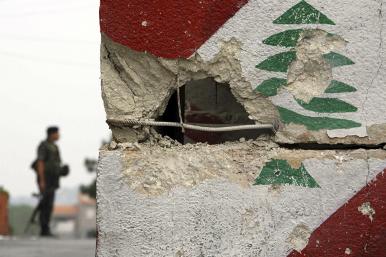
Lebanon’s Framework Is Stuck in Neutral: Political Will, Not Capability or Verification, Is the Key
Beirut promised to dismantle Hezbollah as the trigger for Israeli withdrawals, but it has so far preferred to avoid conflict with the Iran-backed group instead, putting a potentially historic opportunity at risk unless some degree of verified progress is made in the “pilot zones” soon.
۳ نوامبر ۲۰۲۶
◆
Assaf Orion
Brief Analysis
AI Accelerated U.S. Operations in Iran. Now It’s Time to Rethink the Human Role.
The conflict has demonstrated how AI-enabled warfare can accelerate the “kill chain,” but human analysts must still know when to question machine recommendations in order to avoid harmful operational or strategic consequences.
۲ نوامبر ۲۰۲۶
◆
Patricia Brennan
Articles & Testimony
Why the US Can’t Help Saudi Arabia by Bombing Yemen to Stability
Washington should focus instead on helping Riyadh and the United Arab Emirates reconcile their efforts to reverse Houthi conquests.
۲ نوامبر ۲۰۲۶
◆
April Longley Alley
Articles & Testimony
France’s Gulf Moment: Between Momentum and Commitment
To solidify its position as the preferred European security partner in the region, Paris will have to demonstrate that its commitments are reliable in the long run.
October 2026
◆
Souhire Medini
Articles & Testimony
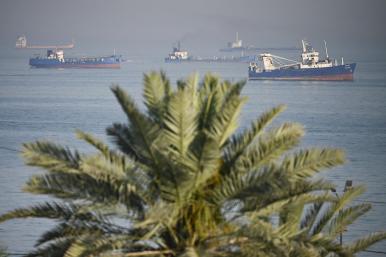
Four Things to Watch in Shipping and Energy If Middle East Conflict Resumes
Crude flows have been recovering, but the story for LNG and refined oil products is less positive and could worsen, especially if Iran’s partners in Yemen and Iraq rejoin the fray.
۳۰ اکتبر ۲۰۲۶
◆
Noam Raydan
Articles & Testimony
The Islamic State’s Quiet War on Israel
Although Israeli authorities have silently and capably dealt with an uptick in IS plots since October 7, the threat continues to grow.
Oct 29, 2026
◆
Aaron Y. Zelin
Video
Brief Analysis
Israel After the Election: Policy Implications of a Crucial Vote
Watch experts discuss the preliminary results of Israel’s landmark election, including possible coalition scenarios and their impact on relations with the United States.
۲۹ اکتبر ۲۰۲۶
◆
Gili Cohen
David Makovsky
Dennis Ross
Felicia Schwartz
Brief Analysis
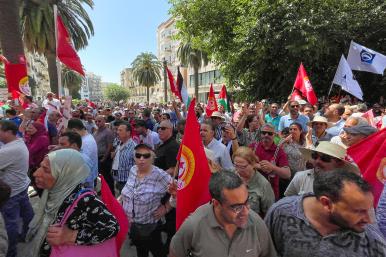
As Tunisia’s Instability Worsens, U.S. Should Not Wait to Take Action
The Saied government seems intent on just hanging on until the next presidential election, but the current situation is politically and economically unsustainable unless Washington lends a hand.
۲۹ اکتبر ۲۰۲۶
◆
Sabina Henneberg
Articles & Testimony
How to Secure the Straits
As crises in the Strait of Hormuz and Red Sea become more linked, a single, sustained multinational effort to secure both waterways is needed, combining American military capabilities with the imprimatur of an Asian, European, and Middle Eastern coalition.
۲۸ اکتبر ۲۰۲۶
◆
Dana Stroul
Articles & Testimony
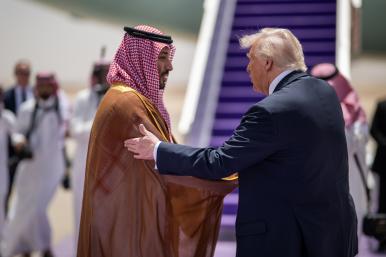
Trump’s Middle East Dealmaking Is Working Against Itself
The administration’s deliberately disconnected bilateral deals could end up fueling regional rivalries that undermine U.S. interests and the president’s own policy goals.
۲۸ اکتبر ۲۰۲۶
◆
Eitan Danon
Joshua Kram
Articles & Testimony
How to Build a Counterterrorism Coalition Against Iran
By tapping into the $300 million that Congress has earmarked to bolster CT capabilities abroad, the Trump administration can help partners disrupt Iranian and Hezbollah financing schemes in Iraq, Syria, Yemen, West Africa, South America, and other locales.
۲۶ اکتبر ۲۰۲۶
◆
Michael Jacobson
Matthew Levitt
Articles & Testimony
An Emboldened Iran Could Trigger an IS Comeback
If the Iran war proves inconclusive and allies ease their pressure on the Shia regime’s ingrained expansionism, they may inadvertently fuel the Sunni extremist strands that gave rise to the Islamic State in the first place.
۲۲ اکتبر ۲۰۲۶
◆
James Jeffrey
Brief Analysis
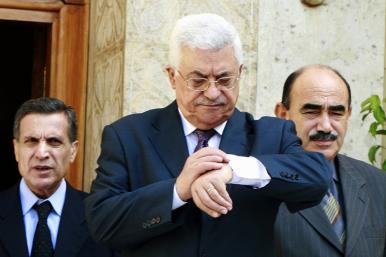
Despite European Engagement, Abbas Backs Out of Palestinian Elections Again
Because both U.S. plans in Gaza and the stability of the West Bank depend on a legitimate, reformed Palestinian Authority and a credible alternative to Hamas governance, national elections are essential—leaving the international community with little choice but to redouble its efforts and prepare for the rescheduled vote in 2027.
۲۲ اکتبر ۲۰۲۶
◆
Pierre-Arnaud Blanchard
Maps & Graphics
Brief Analysis
Iraq’s Energy Challenges Amid the Hormuz Crisis
The recent rebound in crude exports is welcome but only partial, and officials have yet to find answers for the wider fiscal, management, and security problems impeding Iraq’s energy sector.
۲۱ اکتبر ۲۰۲۶
◆
Noam Raydan
Articles & Testimony
Technology, War, and the Limits of Innovation Power in the Middle East
Both Israel and Iran have developed, adopted, and adapted drones and other technologies in innovative ways to yield success on the battlefield, but the broader strategic utility of these efforts remains uncertain.
۲۱ اکتبر ۲۰۲۶
◆
David Goodstone
Eitan Danon
Brief Analysis
Preparing for Sudan’s Civilian Transition Amid War
If the transition is to succeed, the Quad and Quintet must begin now rather than later, setting a short timeframe for the initial phases and preventing armed factions from once again translating military influence into political power.
۱۹ اکتبر ۲۰۲۶
◆
Areig Elhag
Articles & Testimony
Trump Can Push Past Israeli-Palestinian Paralysis
Their mutual trauma won’t go away any time soon, but practical improvements, U.S. pressure, and greater Arab involvement can help show both populations that incremental change is possible.
۱۹ اکتبر ۲۰۲۶
◆
Dennis Ross
In-Depth Reports
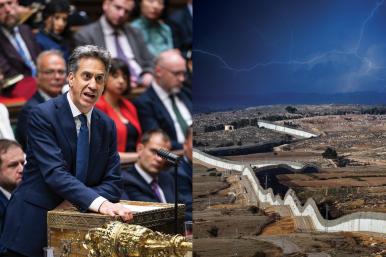
The Miliband Thunderclap:
Potential Implications of Declaring Israel’s Occupation Unlawful
If a bloc of major countries imposed the full range of sanctions suggested by the UK foreign secretary's statement, the consequences for Israel—and the peace process—could be catastrophic.
۱۹ اکتبر ۲۰۲۶
◆
Robert Satloff
Articles & Testimony
Algeria’s New Bid for Regional Influence
A sharp break with the UAE underscores Algeria’s ambitions to reassert its presence on the international stage after decades on the periphery, potentially affecting diplomacy over Western Sahara, among other issues.
Oct 15, 2026
◆
Sabina Henneberg
Video
Brief Analysis
Israel's Most Consequential Election?
A panel of top Israeli pollsters, journalists, and political analysts previews the historic October 27 vote, including its prospects for changing Jerusalem’s approach to the Palestinians and reversing the plummet in U.S. public sentiment.
۱۶ اکتبر ۲۰۲۶
◆
Tamar Hermann
Yaakov Katz
Amit Segal
Pagination
Current page
1
Page
2
Page
3
Page
4
Page
5
Page
6
Page
7
Page
8
Page
9
…
Last page
Last »
Next page
››