TWI logo معهد واشنطن لسياسات الشرق الأدنى
logo
wordmark
Homepage

Main navigation

  • تحليل
  • الخبراء
  • حول المعهد
  • الدعم
  • الخرائط والوسائط المتعددة
الأكثر شيوعاً:
  • العلاقات العربية الإسرائيلية
  • الشؤون العسكرية والأمنية
  • إسرائيل
  • إيران
  • سوريا

المناطق والبلدان

  • إسرائيل
  • إيران
  • الأردن
  • الشرق الأوسط
  • العراق
  • الفلسطينيون
  • تركيا
  • دول الخليج العربي
  • سوريا
  • شمال أفريقيا
  • لبنان
  • مصر

القضايا

  • الإرهاب
  • الخليج وسياسة الطاقة
  • الديمقراطية والإصلاح
  • السياسة الأمريكية
  • السياسة العربية والإسلامية
  • الشؤون العسكرية والأمنية
  • الطاقة والاقتصاد
  • العلاقات العربية الإسرائيلية
  • انتشار الأسلحة
  • عملية السلام
  • منافسة القوى العظمى
TWI English
TWI Arabic: اللغة العربية Fikra Forum

السياسة العربية والإسلامية

Policy Analysis on السياسة العربية والإسلامية

Filter by:

Brief Analysis
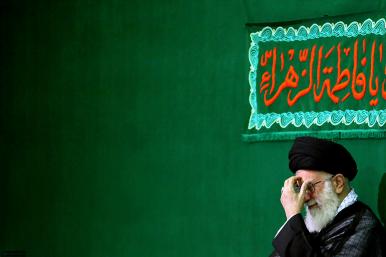
Khamenei's Strength Could Be a Vulnerability
By weakening the Islamic Republic's institutions and strengthening his own authority, Ayatollah Khamenei may make himself more vulnerable in a time of crisis.
١٢‏/٠٣‏/٢٠١٢
◆
  • Mehdi Khalaji
Articles & Testimony
Arm the Free Syrian Army Now
Providing arms and other materiel to the FSA stands a far better chance of success than waiting for a silver bullet.
٠٨‏/٠٣‏/٢٠١٢
◆
  • David Schenker
Articles & Testimony
No Nuclear Compromise
The Iranian regime will not be able to survive existing sanctions, which are targeting the banking system and oil industry like never before.
٠٧‏/٠٣‏/٢٠١٢
◆
  • Mehdi Khalaji
In-Depth Reports
The End of the 'Peace Process'?
Barring unexpected developments, even optimistic observers see the current Israeli-Palestinian deadlock persisting at least until after this year's U.S. elections. The key actors are too focused on other challenges, too skeptical of each other's intentions, and too limited by multiple constraints to engage in the kind of decisionmaking a peace
٠٦‏/٠٣‏/٢٠١٢
◆
  • Tal Becker
Brief Analysis
President Obama on Iran: Assessing Key Passages in the AIPAC Speech
Although the president's AIPAC speech offered reassurances that he is committed to the full logic of a "prevention" strategy in dealing with the Iranian nuclear challenge, including potential military action, it also implied a clear preference for Israel to hold back and let the noose of international sanctions tighten.
٠٥‏/٠٣‏/٢٠١٢
◆
  • Robert Satloff
Articles & Testimony
Time for Assad to Go
For reasons of morality, and in the interest of containing the violence in Syria, the international community must accelerate Assad's departure.
٢٩‏/٠٢‏/٢٠١٢
◆
  • Dennis Ross
Articles & Testimony
Post-Asad Syria: Opportunity or Quagmire?
The regional impact of Bashar al-Asad's eventual fate may be at least as important for American interests as the direct effects inside Syria.
٢٩‏/٠٢‏/٢٠١٢
◆
  • Patrick Clawson
Brief Analysis
Iran's Majlis Elections: Whoever Wins, the West Loses
Iran's upcoming parliamentary elections, while vigorously contested, offer no hope for improving U.S.-Iranian relations.
٢٨‏/٠٢‏/٢٠١٢
◆
  • Nikolay Kozhanov
Articles & Testimony
Turkey's Post-EU World
For the moment, at least, the notion that Turkey will become a full EU member state is no longer true.
٢٨‏/٠٢‏/٢٠١٢
◆
  • Soner Cagaptay
Articles & Testimony
The Agony of Hamas
The movement is facing its most serious rift ever, severely divided on its future course and the identity of its post-Syria sponsors.
٢٧‏/٠٢‏/٢٠١٢
◆
  • Ehud Yaari
Protesters hold signs and flags in Libya - source: Reuters
In-Depth Reports
In War's Wake:
The Struggle for Post-Qadhafi Libya
In this new study, Jason Pack and Barak Barfi explain why the United States must take a proactive stance in ensuring that Libyan authorities win the peace, not just the war.
٢٤‏/٠٢‏/٢٠١٢
◆
  • Jason Pack
  • Barak Barfi
Articles & Testimony
Is the Iranian Regime Rational?
Although some examples suggest rational decisionmaking by Tehran, other Iranian actions seem unencumbered by cost-benefit considerations.
٢٣‏/٠٢‏/٢٠١٢
◆
  • Michael Singh
Brief Analysis
Indirect Intervention in Syria: Crafting an Effective Response to the Crisis
Indirect intervention in Syria is less sure to succeed than direct intervention, but it may be more doable, giving the people the time and help they need to liberate themselves.
٢١‏/٠٢‏/٢٠١٢
◆
  • Jeffrey White
Brief Analysis
Libya's Floundering Transition
Washington should help improve conditions on the ground in Libya before the upcoming parliamentary elections, supporting civil society organizations that include rebels and prodding the interim government toward greater transparency.
٢١‏/٠٢‏/٢٠١٢
◆
  • Andrew Engel
Articles & Testimony
Is Egypt's Government Malicious or Incompetent?
Whether Egypt's military authorities are deliberately targeting pro-democratic NGOs or simply unable to stop others from doing so, one thing is clear: Washington's relationship with them is no longer worth $1.3 billion.
٢٠‏/٠٢‏/٢٠١٢
◆
  • Eric Trager
Articles & Testimony
A Violent New Year in Iraq
The U.S. troop withdrawal is a less significant driver of recent Iraqi violence than Washington's policy of giving Prime Minister Maliki a blank check in his campaign to consolidate power.
١٧‏/٠٢‏/٢٠١٢
◆
  • Michael Knights
Articles & Testimony
Egypt's Cold Shoulder
By deciding to prosecute Americans, post-Mubarak Egypt has intentionally provoked a bilateral crisis.
١٥‏/٠٢‏/٢٠١٢
◆
  • David Schenker
Articles & Testimony
Iran Is Ready to Talk
Speculation about an Israeli strike against Iranian nuclear facilities is rife, but there is little discussion about whether diplomacy can still succeed, precluding the need for military action. Many experts doubt that Tehran would ever accept a deal that uses intrusive inspections and denies or limits uranium enrichment to halt
١٥‏/٠٢‏/٢٠١٢
◆
  • Dennis Ross
Brief Analysis
Bashar al-Assad vs. the Syrian People
As the regime continues its latest offensive, the international community should exploit its military weaknesses through actions that help level the battlefield, alter the psychological environment, and increase pressure on Assad and his forces.
١٤‏/٠٢‏/٢٠١٢
◆
  • Jeffrey White
Articles & Testimony
Reflections on the Revolution in Egypt
Testimony before the House Committee on Foreign Relations, Subcommittee on the Middle East and South Asia. One year after mass protests toppled Hosni Mubarak, Egypt is heading in an illiberal, anti-Western direction. The ruling military council has employed deadly force against protestors, subjected thousands of civilians to military trials, raided
١٤‏/٠٢‏/٢٠١٢
◆
  • Eric Trager

Pagination

  • Previous page ‹ Previous
  • First page « First
  • …
  • Page 120
  • Page 121
  • Page 122
  • Page 123
  • Current page 124
  • Page 125
  • Page 126
  • Page 127
  • Page 128
  • …
  • Last page Last »
  • Next page Next ›
Supported by the

Linda and Tony Rubin Program on Arab Politics

The Washington Institute's Linda and Tony Rubin Program on Arab Politics focuses on social, political, and economic developments in the Arab world, with an emphasis on the Arab countries of the Levant.

Sign Up for Email Updates from The Washington Institute

Never miss a breaking event on U.S. policy interests in the Middle East. Customize your subscription to our expert analysis, op-eds, live events, and special reports.


Sign up

Featured experts

David Schenker
ديفيد شينكر
ديفيد شينكر هو زميل أقدم في برنامج الزمالة "توب" في معهد واشنطن ومدير "برنامج «ليندا وتوني روبين» حول السياسة العربية"، كما شغل سابقا منصب مساعد وزير الخارجية لشؤون الشرق الأدنى.
Ghaith al-Omari
غيث العمري
غيث العمري هو زميل أقدم في برنامج الزمالة "مؤسسة روزاليند وآرثر جيلبيرت" ضمن "برنامج «عائلة إروين ليفي» حول العلاقات الاستراتيجية بين الولايات المتحدة وإسرائيل" في معهد واشنطن.
Hanin Ghaddar
حنين غدار
حنين غدار هي زميلة أقدم في برنامج الزمالة "فريدمان" في "برنامج «ليندا وتوني روبين» حول السياسة العربية" في معهد واشنطن، حيث تركز في عملها على السياسة الشيعية في مختلف أنحاء منطقة المشرق.
Background image with TWI branding
logo
wordmark
Homepage

1111 19th Street NW - Suite 500
Washington D.C. 20036
Tel: 202-452-0650
Fax: 202-223-5364

Footer contact links

  • الاتصال بالمعهد
  • غرفة الصحافة
  • الاشتراك

معهد واشنطن يسعى إلى تعزيز فهم متوازن وواقعي للمصالح الأمريكية في الشرق الأوسط والنهوض بالسياسات التي تؤمّنها.

المعهد هو منظمة 501(c)3 ؛ جميع التبرعات معفاة من الضرائب.

Footer quick links

  • حول معهد واشنطن
  • ادعم المعهد
  • روّاد المعهد

Social media

  • The Washington Institute on Facebook facebook
  • The Washington Institute on X x
  • The Washington Institute on YouTube youtube
  • The Washington Institute on LinkedIn linkedin

© 2026 جميع الحقوق محفوظة.

Footer

  • توظيف
  • نهج الخصوصية
  • الحقوق والأذونات